
Intense heat is spreading widely in many famous tourist destinations such as Da Nang, Nha Trang, Phu Quoc, Ha Long or Ho Chi Minh City. Many areas record common temperatures from 35-39 degrees Celsius, with some places exceeding 40 degrees Celsius during peak hours.
In the Southern region, hot weather continues to last in localities such as Tay Ninh, Can Tho, Dong Nai and Ho Chi Minh City with the highest temperature fluctuating around 35-38 degrees Celsius.
Meanwhile, famous sea tourist destinations such as Ha Long Bay, My Khe Beach, Nha Trang or Phu Quoc still attract a large number of tourists during the summer despite prolonged hot weather.
1. Proactively replenish water, don't wait until you are thirsty
When moving outdoors in the sun, the body secretes a lot of sweat, leading to rapid dehydration and electrolyte depletion. Mild dehydration symptoms may be fatigue, headache, dizziness; more severe may cause fainting.
Always carry a bottle of water with you. Drink regularly every 15-20 minutes instead of waiting until you are really thirsty to drink a large sip. Besides filtered water, you should supplement with mineral water, coconut water or electrolyte replenishment drinks (Oresol) to keep energy for the body.
2. Recognizing and preventing heat shock (Sunstroke)
Heat shock is the most serious condition due to prolonged exposure to sunlight, when body temperature suddenly rises (above 40°C) and the body's thermoregulatory system is lost control.
You should minimize participating in strenuous outdoor physical activities during peak hours (from 11 am to 3 pm).
When going out from the air-conditioned room, stand in a cool area or lobby for a few minutes to allow your body to adapt, avoiding sudden temperature changes that cause vasoconstriction and stroke.
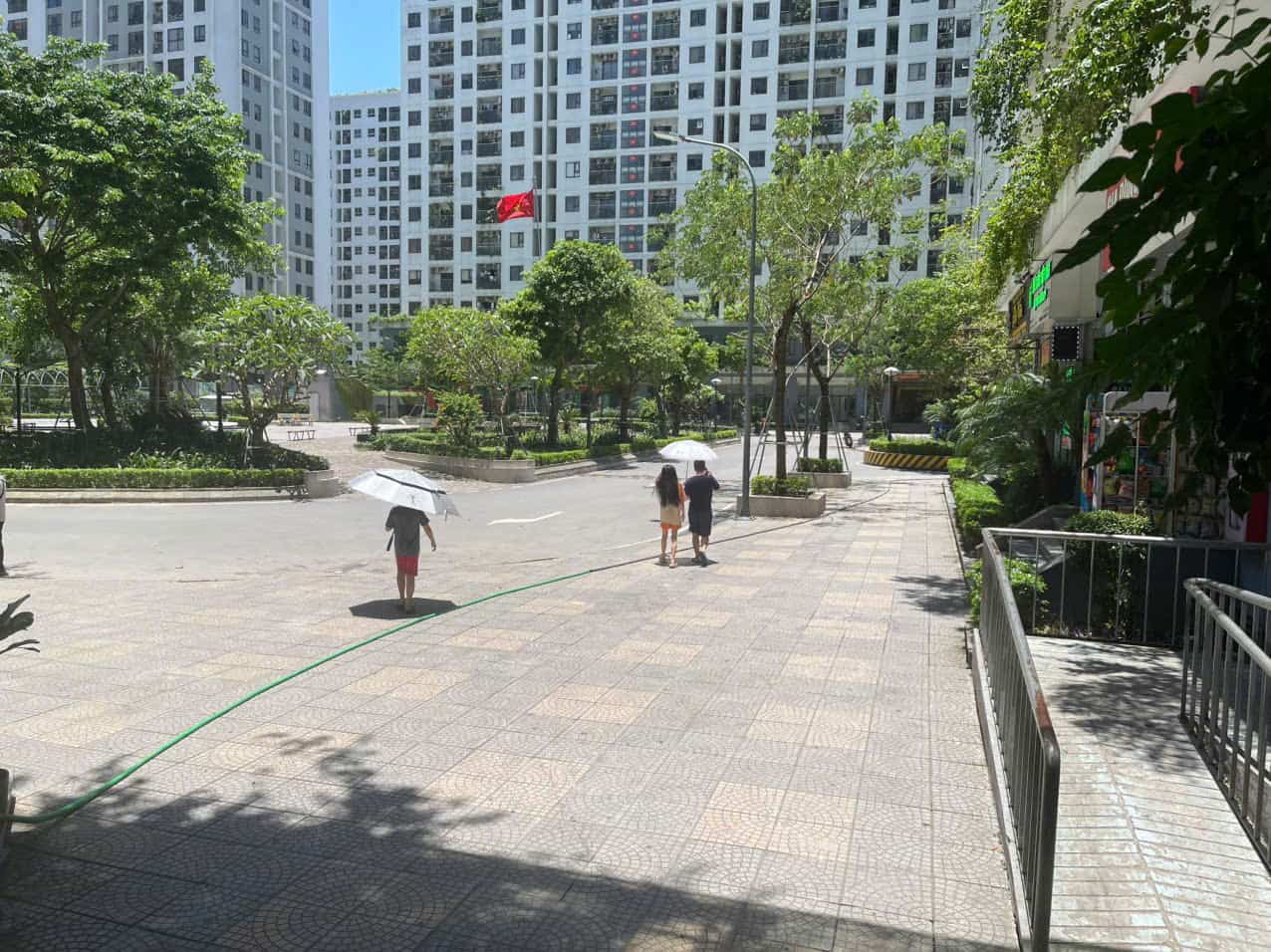
Warning signs of heat shock:
Red, hot, and dry skin (no sweating), rapid pulse, severe headache, nausea, drowsiness, or fainting. If you see yourself or your partner showing these signs, immediately put them in the shade, cool them down with a wet towel, and call emergency medical support.
3. Use sunscreen "right and enough
Intense sunlight contains very high amounts of UV rays, not only causing darkness, sunburn causing pain and burning, but also increasing the risk of long-term skin cancer. Choose sunscreen with an SPF of 30 or higher and Broad Spectrum (anti-UVA and UVB rays).
The important rule is to apply cream 20 minutes before going out and reapply every 2 hours, especially after swimming or sweating a lot. Don't forget to protect areas of skin that are easily forgotten such as ears, nape of the neck and back of the hand.

4. Choose smart outfits and protective accessories
Thick, tight-fitting clothes or made of stuffy materials will retain heat in the body, making you tired faster. Prioritize wearing loose, comfortable clothes with good sweat-absorbing materials such as cotton or linen.
Choose clothes with bright colors because dark colors usually absorb more heat. Besides, UV-resistant sunglasses, wide-brimmed hats and specialized sun protection jackets are "indispensable" items when going out.
5. Adjust flexible schedules and diets
A schedule that is too dense under the scorching sun will quickly drain the tourist's energy. Design a smart itinerary by pushing outdoor activities (swimming, mountain climbing, sightseeing) in the early morning or late afternoon.
During sunny afternoons, you should prioritize indoor attractions with air conditioning such as museums, cafes, or stay at hotels. Regarding eating, limit foods with too much grease, alcohol (because alcohol increases dehydration) and prioritize refreshing dishes, lots of green vegetables, and fruits.
Traveling on hot days requires you to listen to your body more. By preparing carefully and complying with the above safety principles, you can completely enjoy a brilliant, fun and healthy summer vacation.


