
Vietnam closed 2025 with a record number of more than 21 million international visitors, and growth milestones were consistent throughout the first three months of 2026.
This is a milestone enough to be proud of but also raises concerns. The question for the future is no longer focused on how many visitors there are, but on what international visitors remember when leaving Vietnam.
Destination recognition problem
While the world is entering an era of value tourism and personalized experiences, the Vietnamese tourism brand is still struggling to find a strong enough identification code for tourists to call Vietnam by a specific impression.
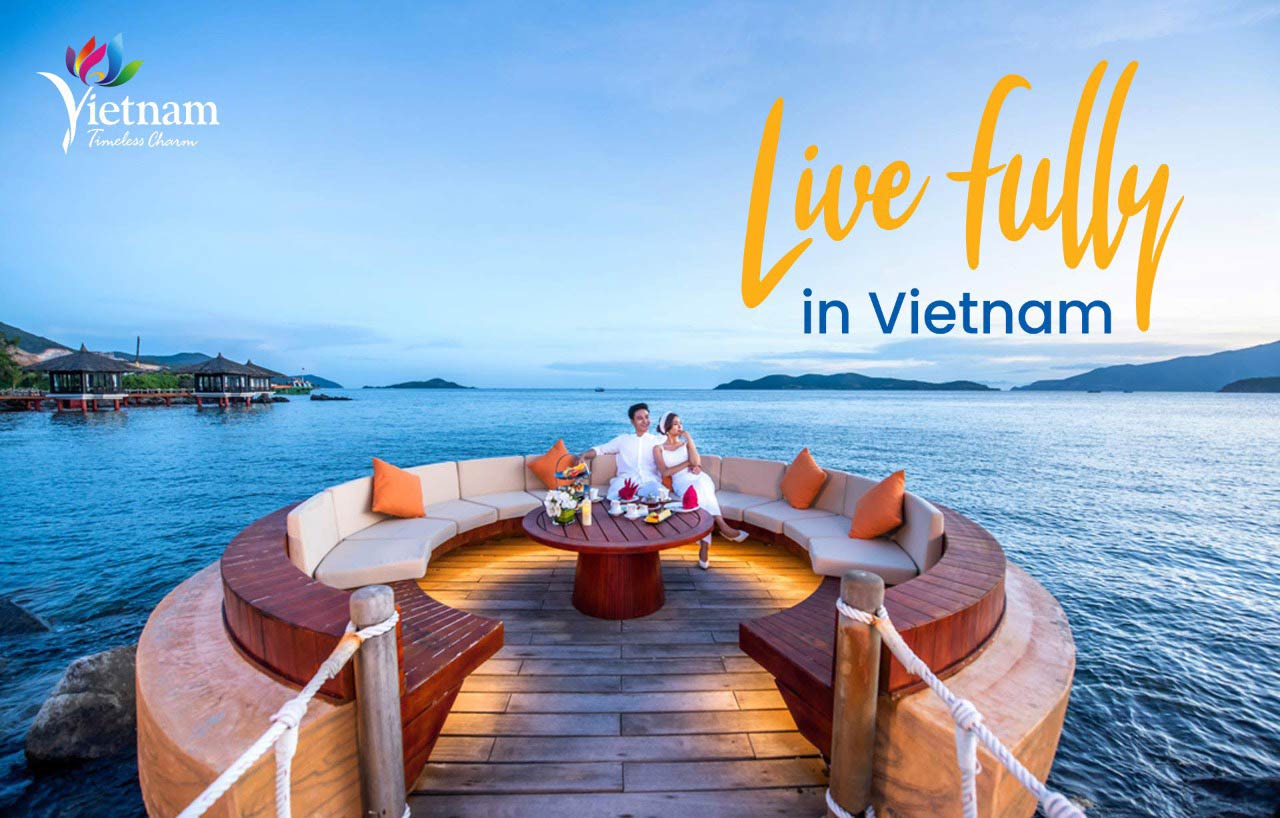
In fact, Vietnam has built an identity and tourism promotion slogan "Vietnam - Timeless Charm" (Vietnam - Endless Beauty). However, this slogan has existed for more than a decade - no longer strong enough to spread strong emotions.
Meanwhile, many countries in the region have overcome the approach of listing or describing beautiful landscapes, shifting to proactively telling stories that appeal to tourists' emotions.
For example, Thailand is proving its unlimited creativity by continuously renewing the message "Amazing Thailand" in stages.
Singapore with "Passion Made Possible" affirms its position as an island nation where all passions can become reality, from MICE tourism to high-end entertainment.
The message "Malaysia, Truly Asia" (Malaysia: A true Asia) affirms that just coming to Malaysia, tourists will see the entire identity of Asia from the culture of Chinese, Indian to Malay.
In Northeast Asia, tourist centers actively invite tourists to become a part of the experience journey - not simply in the role of observers, admiring beauty.
Japan with the message "Japan. Endless Discovery" has turned every journey from white snow Hokkaido to Kyoto Zen Monastery into an endless search.
Meanwhile, South Korea takes full advantage of soft power to create Imagine Your Korea. Taiwan (China) makes a confident statement Taiwan - Believe It, as a command to stimulate curiosity about the unexpected values on a small island.
The common point of these models is not in words, but in the ability to inspire a specific experience, which can be imagined and remembered. This is the gap that Vietnamese tourism has not yet found a solution to.
From verbal command to action
In the current global race, a good slogan is not enough. The destination brand is actually the highlight of a synchronous development strategy, where the tourist experience is designed throughout from products and services to infrastructure.
In fact, many tourism powerhouses are no longer simply selling landscapes, but have shifted to selling an economic ecosystem that complements tourism, with experiences that touch the emotions of international visitors.
Thailand's case is a clear example. Right from the beginning of 2026, this country launched the Amazing 5 Economy campaign with the orientation of shifting from quantity to value.
Thailand's tourism industry focuses on positioning the national brand through 5 distinct spearheads: Life economy, subculture economy, night economy, circular economy and foundational economy.
Thailand wants to fully exploit customers' wallets by upgrading products and services, developing a creative night economy to extend stay time and increase customer spending.
The Land of the Golden Temple aims to build the image of a responsible and sustainable destination, comprehensively digitize the online buying and payment system, and turn convenience and transparency into a core competitive advantage.
Meanwhile, in Korea - a tourist center in Northeast Asia, it thoroughly exploits the "soft power" of K-Culture through cultural content from movies, cuisine... to cosmetics to attract international visitors.

In the Middle East, Saudi Arabia is emerging as a global "phenomenon" with the strategic vision Vision 2030. No longer dependent on oil, this Gulf nation is spending more than 800 billion USD to shift to high-end tourism, redefining the world's oil well image as a destination of the future.
These strategies show that brands are not created by single communication campaigns, but by an ecosystem.
For Vietnam, the problem is not in changing a new slogan, but in restructuring the way tourism is done - from promotion to creating value.
This is the time for bridges like the VITM 2026 International Tourism Fair to promote their real role. The upcoming VITM 2026 Fair in Hanoi with the message of digital transformation and green growth is an opportunity for the tourism industry to re-examine its internal strength when approaching customers from international markets.
The focus of this year's fair is the B2B business connection activity with the goal of promoting meetings, information exchange, and signing cooperation agreements between businesses participating in the fair, thereby attracting international visitors to Vietnam.
Activities such as the VITM 2026 International Tourism Fair will only be truly effective when they play the role of a connecting point for the ecosystem - a place where businesses meet, form products and reshape market approaches, instead of stopping at promotion.


