
Sacrifice is defaulted to be obvious
Besides the wrong turns due to ambition, the movie "Steps into Life" also peels out a type of invisible but no less fierce pressure: The responsibility of the eldest son. The character Thuong (played by Quynh Kool) is the embodiment of thousands of young people in real life who are having to put aside their personal dreams to become unwilling "pillars".
In the film, Thuong is not allowed to live for herself. As the eldest sister, she defaults to becoming a "second mother", taking care of her parents from food, clothes to debts and troubles of her younger siblings. Quynh Kool has successfully portrayed the image of a young woman always in a state of tension like a string. Thuong's eyes are not only diligent, but also full of anxiety and fatigue when her personal dream is constantly delayed, even squeezed by demands from relatives.
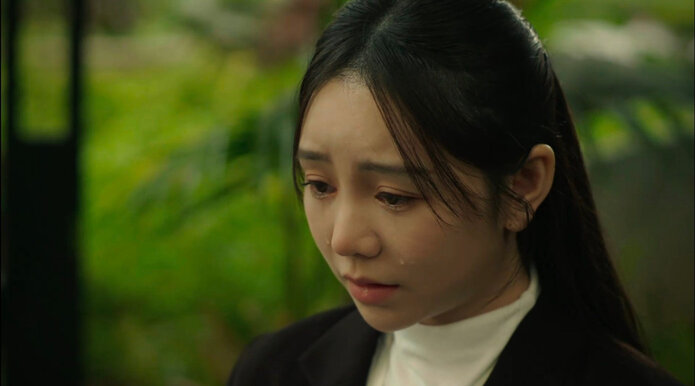
Looking from the screen to real life, Thuong's image is present everywhere. Many young people have been deprived of the right to be ordinary innocent young people.
In fact, the character Thuong is a mirror reflecting the "good child" syndrome in Asian society. There, the sacrifice of the eldest son is often considered obvious. Thuong is deprived of the right to be weak, the right to stumble, and even the right to seek personal happiness when the family is not yet stable. She strains herself to play the role of a solid pillar, but deep inside is a broken soul because of exhaustion after long days playing the role of "saver" for all the mistakes of loved ones.
The downside of unconditional love
A very realistic hidden corner that the film successfully portrays is the consequence of unconditional love. When Thuong opens her arms to shield from all storms, the younger siblings unintentionally lose the opportunity to stand on their own feet. They are used to the fact that every time they stumble, they are supported by their older sister, used to the habit of thinking that the eldest sister will always find a way to solve all troubles.
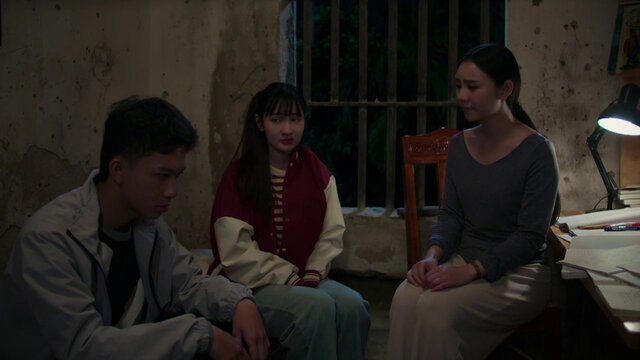
That protection comes from kindness, but in reality, it inadvertently hinders maturity, creating children who do not want to grow up, are bewildered and weak when facing social stumbles on their own.
In the opposite direction, Quynh Kool's acting touches the depths of loneliness of a shoulder bearer. Audiences feel sorry for Thuong not entirely because she has to struggle to make a living, but because she is too lost right among her siblings. People who are brothers and sisters are often resilient and good at hiding fatigue to the point that family members also forget that they also know how to feel sorry for themselves, also need a shoulder to lean on.
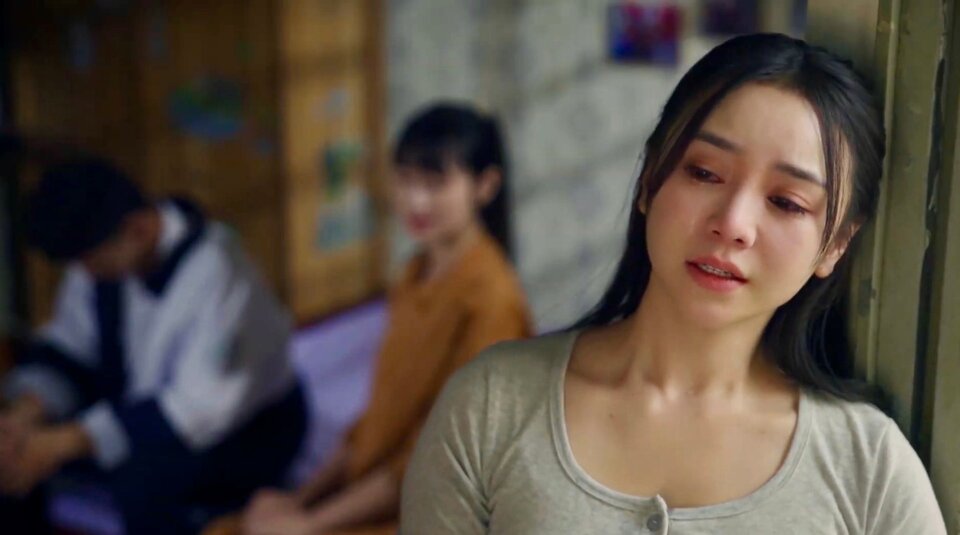
Thuong's silent sadness brings a gentle but profound message: Sometimes, the greatest gift for the pillars is not great material things, but just sharing responsibility and a kind greeting, so that they are allowed to take off their strong armor and live true to the weaknesses of everyday life.


