
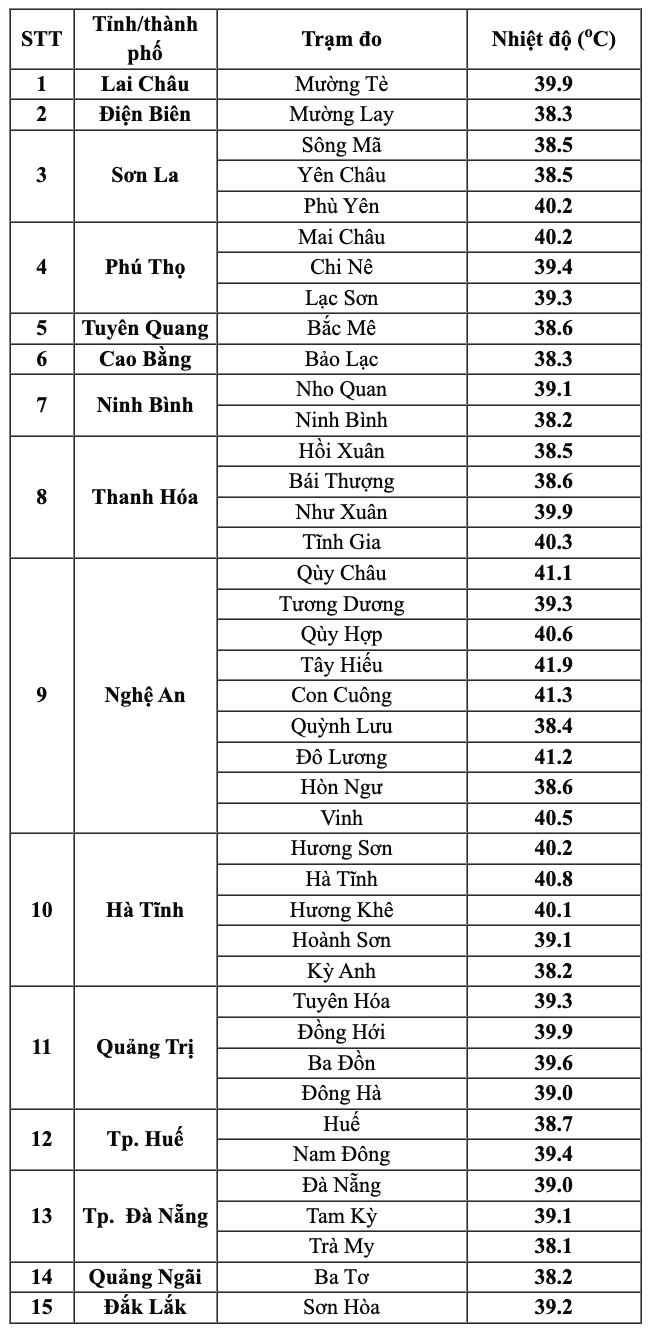
According to the National Center for Hydro-Meteorological Forecasting, yesterday (April 7), the Northwest region had intense heat, especially intense in some places with the highest daily temperature commonly 37-39 degrees C, in some places above 40 degrees C such as stations: Phu Yen (Son La) 40.2 degrees C, Mai Chau (Hoa Binh) 40.2 degrees C. The relative lowest humidity is commonly 35 - 40%.
The area from Thanh Hoa to Da Nang City and eastern Quang Ngai province has intense and especially intense heat with the highest daily temperature commonly 38 - 40 degrees C, in some places above 40 degrees C such as stations: Tinh Gia (Thanh Hoa) 40.3 degrees C, Tay Hieu (Nghe An) 41.9 degrees C, Ha Tinh (Ha Tinh) 40.8 degrees C. The lowest relative humidity is commonly 35 - 40%.
Hot weather continues in all three regions throughout this week
The area from Thanh Hoa to Da Nang City and eastern Quang Ngai province from September 8 - 4, is forecast to have intense and especially intense heat with the highest temperature commonly 38 - 40 degrees C, in some places above 40 degrees C. The relative lowest humidity is commonly from 35-40%.
The Northwest region in the next 2 days is forecast to be hot, with intense heat in some places with the highest temperature commonly 35 - 37 degrees C, in some places above 38 degrees C. The relative lowest humidity is commonly from 45-50%.
The southern part of the Northern Delta, the east of provinces from Gia Lai to Dak Lak, the Central Highlands and the South have hot sun with the highest temperature commonly 35 - 36 degrees C, in some places above 36 degrees C. The relative lowest humidity is commonly from 45-50%.
The meteorological agency warns that the level of natural disaster risk due to hot weather is level 1.
Note that the forecast temperature in hot weather bulletins and the actual perceived temperature outside can differ from 2-4 degrees Celsius, and may even be higher depending on the condition of the buffer surface such as concrete and asphalt roads.
According to Ms. Tran Thi Thuy Nga (Weather Forecasting Department, National Center for Hydro-Meteorological Forecasting), this heat wave is likely to last for many days to come.
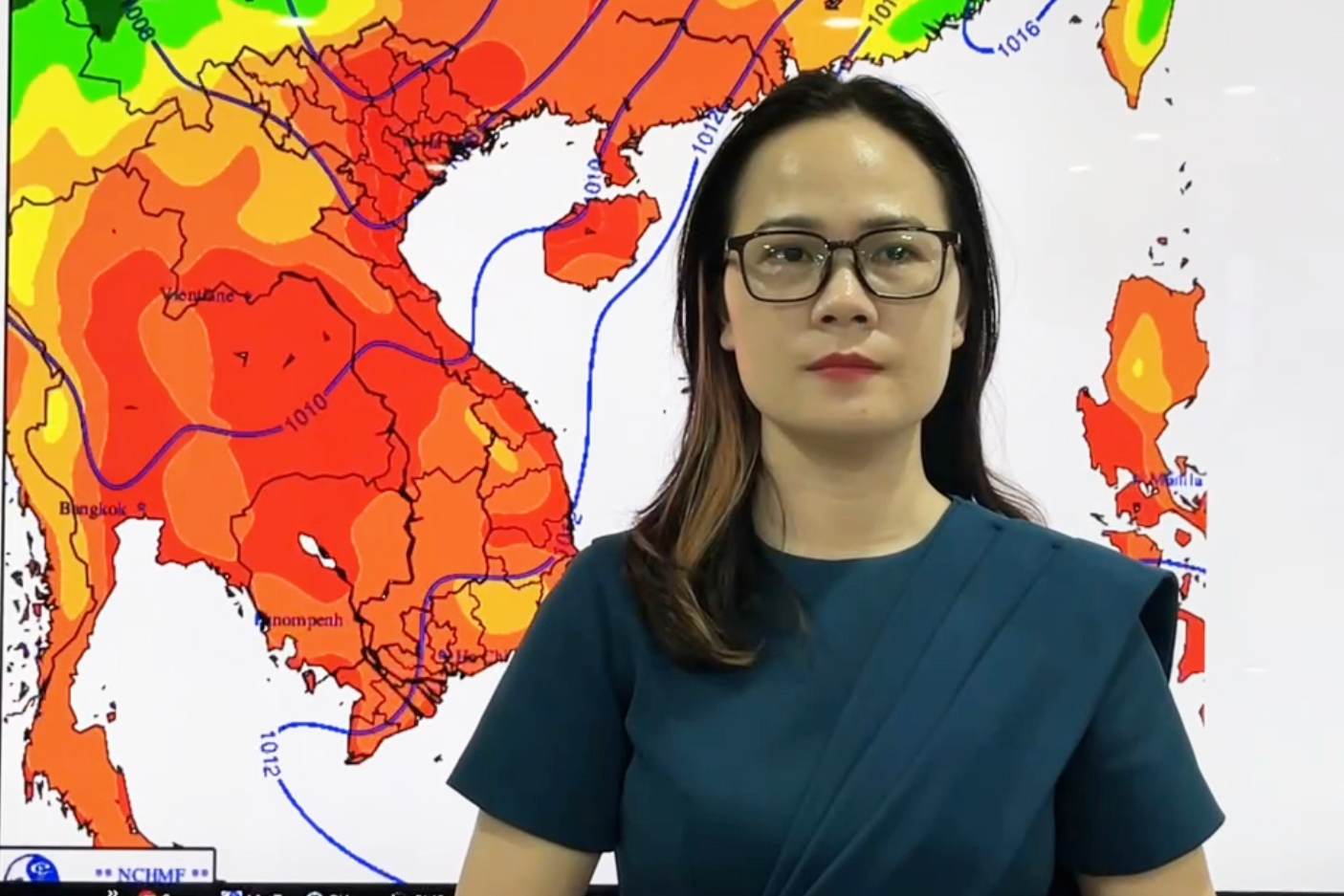
Hot and intense heat combined with reduced humidity in the air have a negative impact on health. People should limit going out during peak hours from 11 am to 4 pm, which is the hottest time" - Ms. Nga advised.
According to the 10-day weather forecast issued on the afternoon of April 7 from the meteorological agency, especially in the Central Highlands and Southern regions, hot weather is likely to gradually subside from around April 13-14. From around April 16-17, the hot weather situation in the Northern Delta region will also gradually decrease.
Notable recommendations in hot weather
Representatives of the Weather Forecasting Department also gave some practical recommendations during the hot weather period. Accordingly, if you are forced to go outside or work outdoors, you should find a shady place and rest reasonably to avoid overexertion or dehydration when outdoors.
Drink plenty of water even when not thirsty. Prioritize filtered water, fruit juice or electrolyte-supplemented water; avoid alcoholic beverages or too much sugar because they cause faster dehydration.
Pay attention when working or outdoor activities on hot sunny days, you should wear light, loose-fitting, sweat-absorbing clothes. Always carry wide-brimmed hats, sunglasses and use sunscreen to limit heat burns and UV rays.
When using food, you should use easily digestible foods, lots of green vegetables and fruits. Pay attention to storing food carefully because high temperatures can cause fast food to spoil and easily cause poisoning.
Note, use air conditioning reasonably, note not to let the air conditioning temperature be too low (should be maintained at about 26-28 degrees C). Avoid sudden temperature changes (from cold rooms to hot outdoors immediately) to prevent heat shock from strongly affecting human health.
In addition, pay special attention to monitoring the health of the elderly, children and people with underlying diseases (cardiovascular, blood pressure) because these are the most vulnerable groups.


