
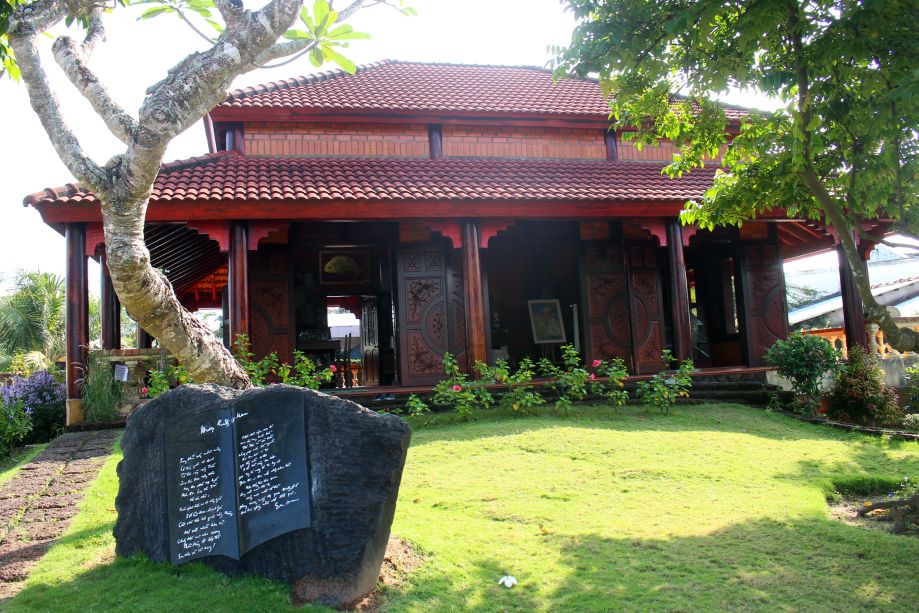
Article" dedicated to myself
Mentioning writer Son Nam, people remember the persistent writer, considered a "living historical record" of the Southern land. He left behind hundreds of research works, memoirs, and records about the history of reclamation, customs, and life of the South. But among that massive literary fortune, there is a very special "writing" - not printed into books, not published in newspapers - that he dedicated to himself and his family.
That is the "Confirmation Paper" self-written and signed by him on February 17, 1987, in Ho Chi Minh City. In the framework of A4 paper, he clearly stated his real name Pham Minh Tay (pen name Son Nam), presenting his marital circumstances with Ms. Dao Thi Phan during the resistance war against France in Zone IX and having three children together.
Due to war conditions, he and his wife could not get married. When registering the birth certificate for their children in the temporarily occupied area, according to regulations at that time, the children had to bear the mother's surname. The three children recorded include: Dao Thuy Hang (My Linh), Dao Thuy Nga (Anh) and Dao Thuy Lieu (Trinh).
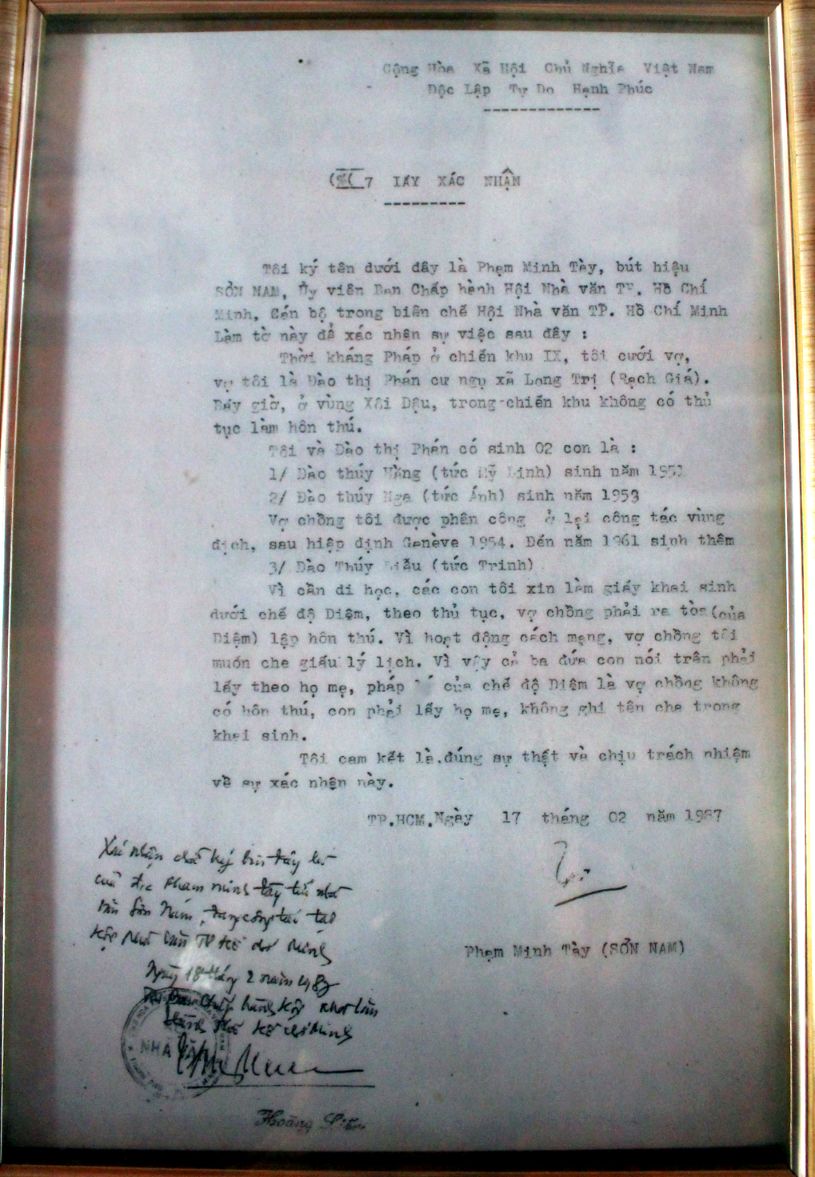
After the country was unified, when conditions permitted, he made a confirmation paper to clarify the blood relationship, ensuring the rights and status of his son. Currently, this paper is solemnly kept at the Son Nam Memorial House in Dao Thanh ward, Dong Thap province - as a silent proof of a time.
Small details about great personality
At first glance, it is just an administrative document typed on old paper, with a signature confirmation. But behind it is a story about war, separation and the consequences that extend to peacetime. Many families in similar circumstances have to change their surnames, hide their names, and then many years later they can adjust their papers.
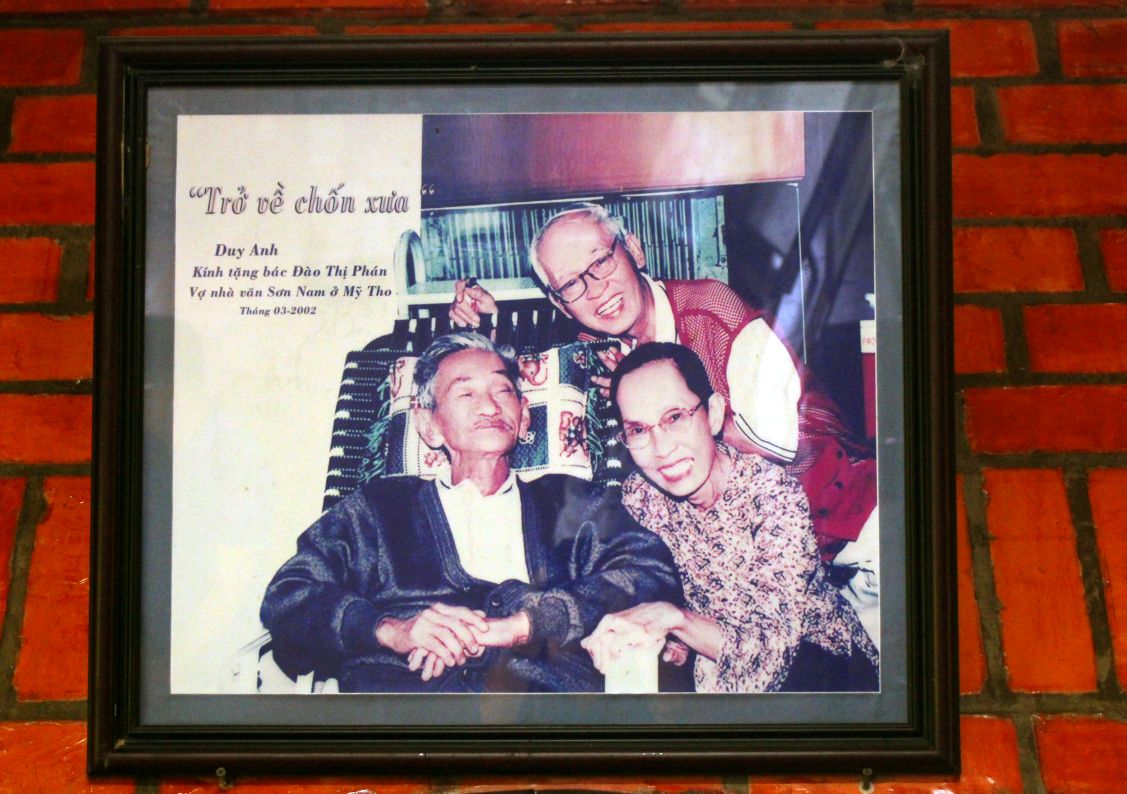
What is worth mentioning is not the procedure, but the way Son Nam faces that story. He does not avoid, does not let the past become a vague silence. As a father, he proactively clarifies it in writing, affirming his blood relationship and responsibility.
From a legal perspective, it is to ensure the rights of children. From a moral perspective, it is to receive the title.
For a person who has spent his whole life searching for Southern cultural identity, cherishing each layer of family and village sediment, the story of "non-family children" does not only stop at correcting household registration. It is also a connection to the origin. Full name, in Asian tradition, is associated with family customs and lineage. When circumstances are forced to change, that re-confirmation becomes an act rich in humanity.
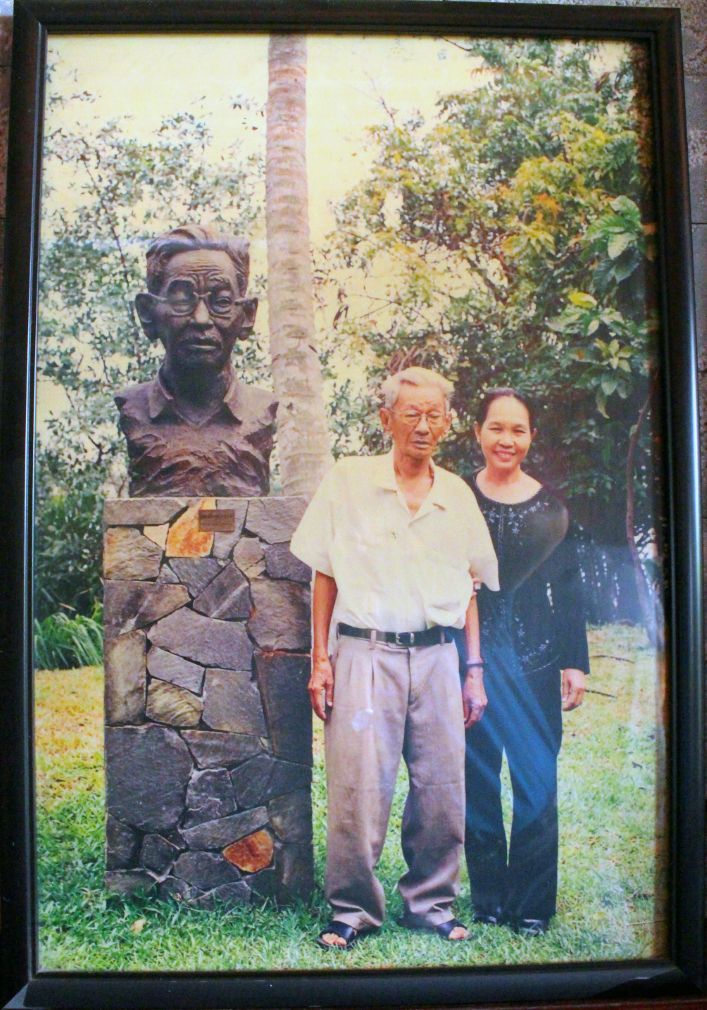
Today, civil status procedures are much more convenient. But the way writer Son Nam chose - frank, transparent and responsible - still evokes many reflections on the duty of being a father.
Amidst the pages of writing filled with memories of the Southern land, the image of a father signing a confirmation paper for his son - as a commitment of honor - makes readers understand once again that: the personality of a writer is not only on the pages of books, but also in the way he lives with his family and his own life.


