
Humanitarian policy
In recent days, many parents in Da Nang have had to run through many bookstores, collecting each missing textbook (SGK) for their children. Some points of sale have just opened and announced that they are out of books, some places only have individual books, not enough sets.
At Nam Tra My High School (mountainous commune of Nam Tra My, Da Nang), while the source of books has not kept up, the school has to photocopy thousands of textbooks to distribute free of charge, as temporary use materials for students.
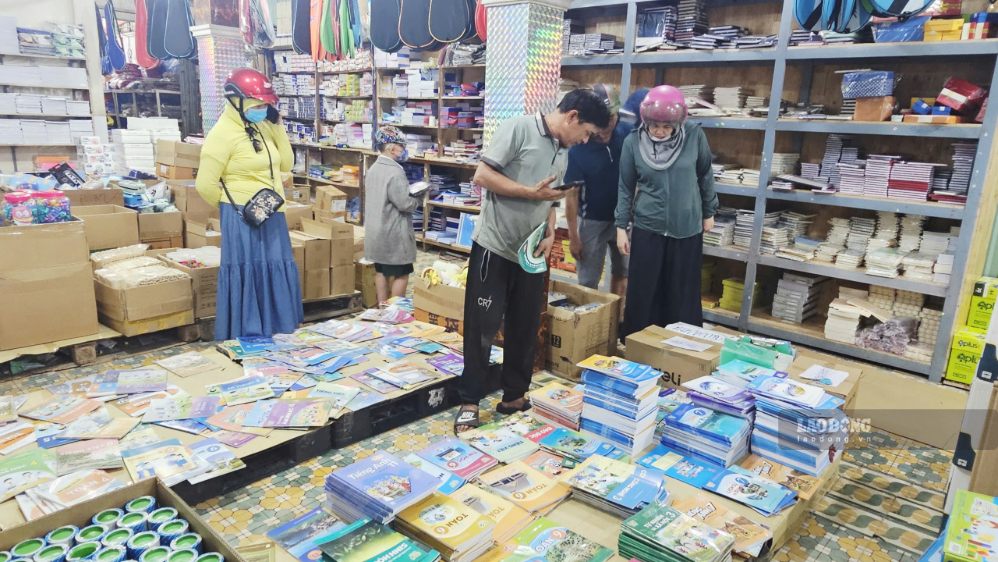
This reality takes place in the context that Da Nang has an educational security policy expected to significantly reduce the pressure of buying books at the beginning of the school year.
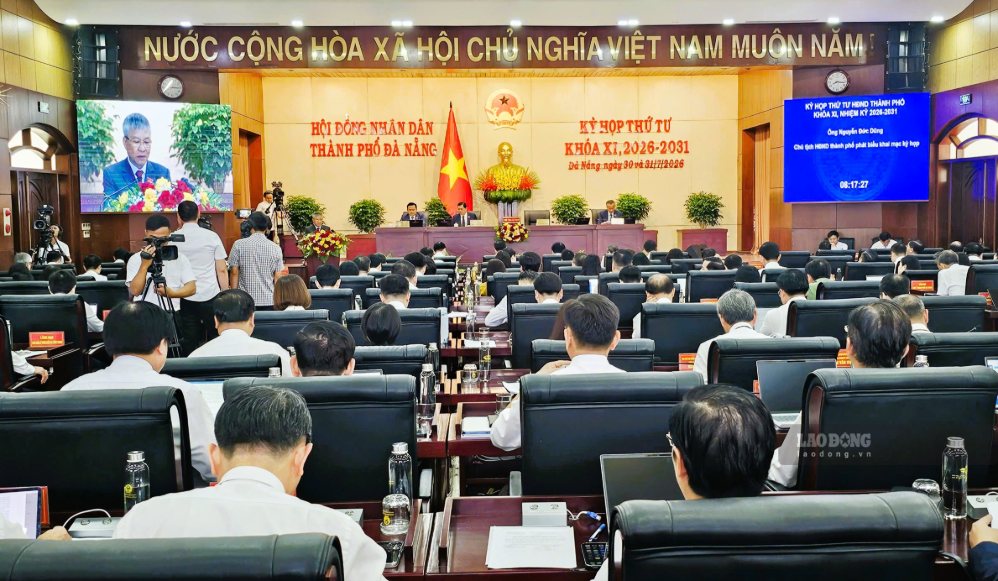
According to Resolution 51/NQ-HDND dated July 31, 2026, Da Nang allocates funds to provide free shared textbooks for students from the 2026-2027 school year to the end of the 2028-2029 school year (3 years before the Central Government's policy). The total estimated cost is more than 143.8 billion VND.
Notably, Da Nang City does not issue money to each family to buy textbooks and does not refund parents who have bought books for their children, but books are bought centrally, brought to schools, students borrow for free and returned after the school year.
This is a very meaningful policy, but the time of promulgation is close to the beginning of the new school year, creating a significant "delay" in implementation.
Talking to a reporter from Lao Dong Newspaper, Mr. Nguyen Hoang Nam - Deputy Director of Da Nang Department of Education and Training - said that the purchase of all textbooks for schools to borrow from students is difficult first of all because the publishing house does not have time to print enough books.
On the other hand, before the policy was implemented, many parents actively bought books for their children from July and August. When market demand increased, the number of books at points of sale also quickly decreased.
Who gets free books?
According to Resolution 51, the subjects eligible for free textbook support include students studying at general education institutions in 37 communes in ethnic minority and mountainous areas; along with students and trainees who are ethnic minorities studying general education and continuing education at the high school level in the remaining 56 communes and wards.
Books are supported from grades 1 to 12 in the form of borrowing - returning annually through the school library bookshelf.
This approach aims to turn textbooks into common assets, which can continue to serve many generations of students. Good books are kept, and damaged books are bought to supplement.
According to Mr. Nam, parents who have the means and do not want to borrow can still buy books for their children themselves.
Da Nang Department of Education and Training is choosing the option of reviewing actual needs, instead of buying massively to quickly fill bookshelves.
The education sector requires schools to statistically count the number of books that parents have purchased, the number of books the school is able to take advantage of, and the actual amount of books that are still lacking to grasp the exact number.
This is a necessary step in the first year of implementation, because if you buy enough quantities according to theory, but in reality many students already have books, the budget may be used ineffectively.
In particular, according to the Department's leaders, textbooks are still likely to be adjusted in terms of content, including content related to administrative boundaries and other issues.
If shopping is too fast, too much while the content of the book continues to change, the risk of waste will arise.
The policy is very humane, but in the first year of implementation, the reality has some incomplete things. Therefore, Da Nang's problem at this time is not simply "buy the faster the better", but must be to buy the right quantity, the right target, at the right time and be usable for many years," Mr. Nam acknowledged.
Temporarily using e-books, prioritizing difficult areas
During the time when the book source is not sufficient, the Department of Education and Training chooses a temporary solution of using electronic books.
According to Mr. Nam, students who have not bought books can use electronic copies while waiting for additional book sources. For remote, isolated, and difficult areas, the education sector prioritizes mobilizing and supporting books.
For electronic books, the PDF file format is only a temporary solution and is printed in the form of each sheet or reference book for students (not for commercial purposes), because it is still related to copyright issues" - the Department leader added.
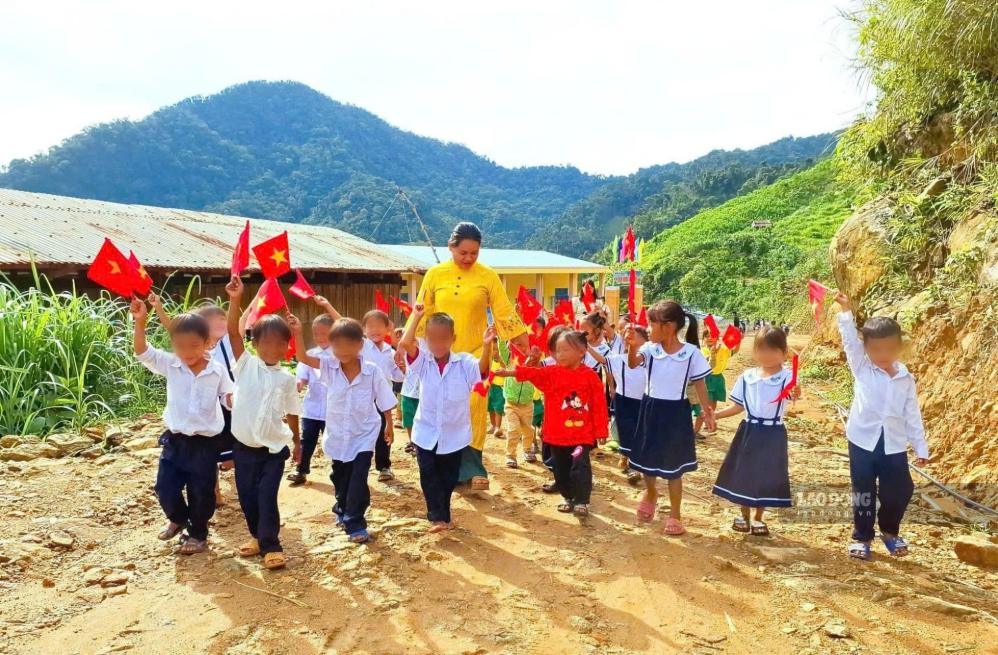
Up to now, according to the Department, basically schools in border areas have met the number of textbooks.
For Nam Tra My High School, photocopying books during times of scarcity is assessed by the Department's leaders as a suitable solution, but only temporary. After that, the school will summarize the needs for the Department to supplement books according to the policy.
To date, the whole city has mobilized more than 35,000 sets of textbooks and used books through the "Common Bookcase", "Love Day" models, distributed to schools to support students in difficult circumstances, prioritizing difficult areas before the opening ceremony.
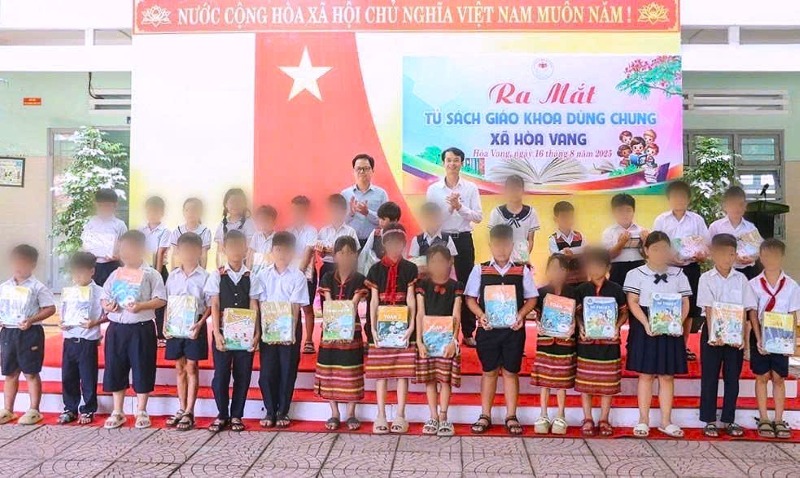
Hoa Vang commune, Da Nang also became the first commune in the country to implement the policy of providing free textbooks for all students at all levels.
According to Mr. Nam, the goal is that from the next school year, school libraries must have enough books for students to borrow right from the beginning of the year. When the source of books is prepared early and the borrowing - returning system operates stably, parents will no longer have to anxiously look for books from July and August.


