
Practical experience helps children develop
Every summer, many parents start looking for skills courses, experiential summer camps or self-development programs for their children. Many families are willing to spend tens of millions of VND with the desire for their children to have a more useful and mature summer.
According to psychologist Nguyen Manh Cuong - NHC Vietnam Center for Human Development and Psychology, experiential programs and summer camps bring many benefits to students' development, especially in terms of emotions, society and self-awareness.
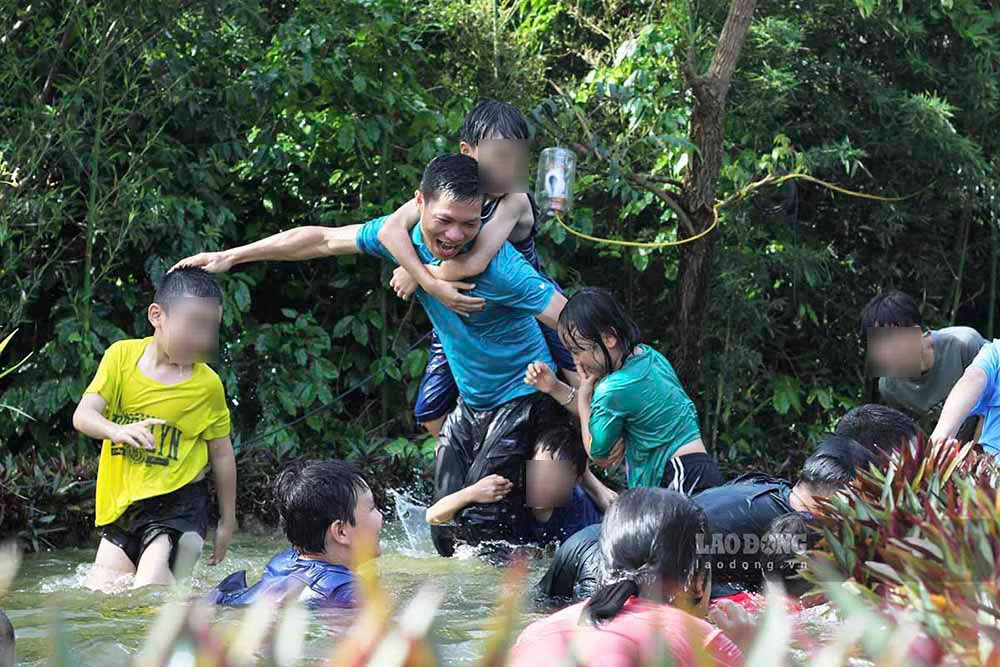
He believes that one of the greatest values of experiential activities is to help children learn how to regulate emotions in a real environment. When participating in group activities, children will face conflicts, failures or unexpected situations - something that books or theory can hardly teach.
These are real experiences that help children learn how to react, handle situations and integrate with others" - Mr. Cuong said.
Not only that, leaving a familiar environment also helps children understand themselves better. Through new activities, children gradually discover their abilities, know how they react to difficulties or how to connect with others. This is an important foundation for forming self-confidence, self-respect and healthy personal awareness in children.
In addition, in new experiential environments, especially nature or community activities, it is possible to stimulate the brain to learn more deeply. When children learn through movement, social interaction and feel safe and comfortable, the brain will remember and integrate experiences much better than just receiving theoretical knowledge.
Things to note
According to psychologist Nguyen Manh Cuong, before deciding to register their children to participate in any program, the first thing parents need to ask is: What do children really want?
Mr. Cuong said that in the process of working and organizing many summer camp programs, he has encountered many cases of children participating just because of the wishes or expectations of their parents.
Many young children shared that they are completely uninterested in the program they participate in. They go because their parents want to, not because they themselves want to" - Mr. Cuong said.
According to experts, when children are not enthusiastic or proactive in choosing, they will lack internal motivation. This limits the effectiveness of the program, no matter how well the content is invested.
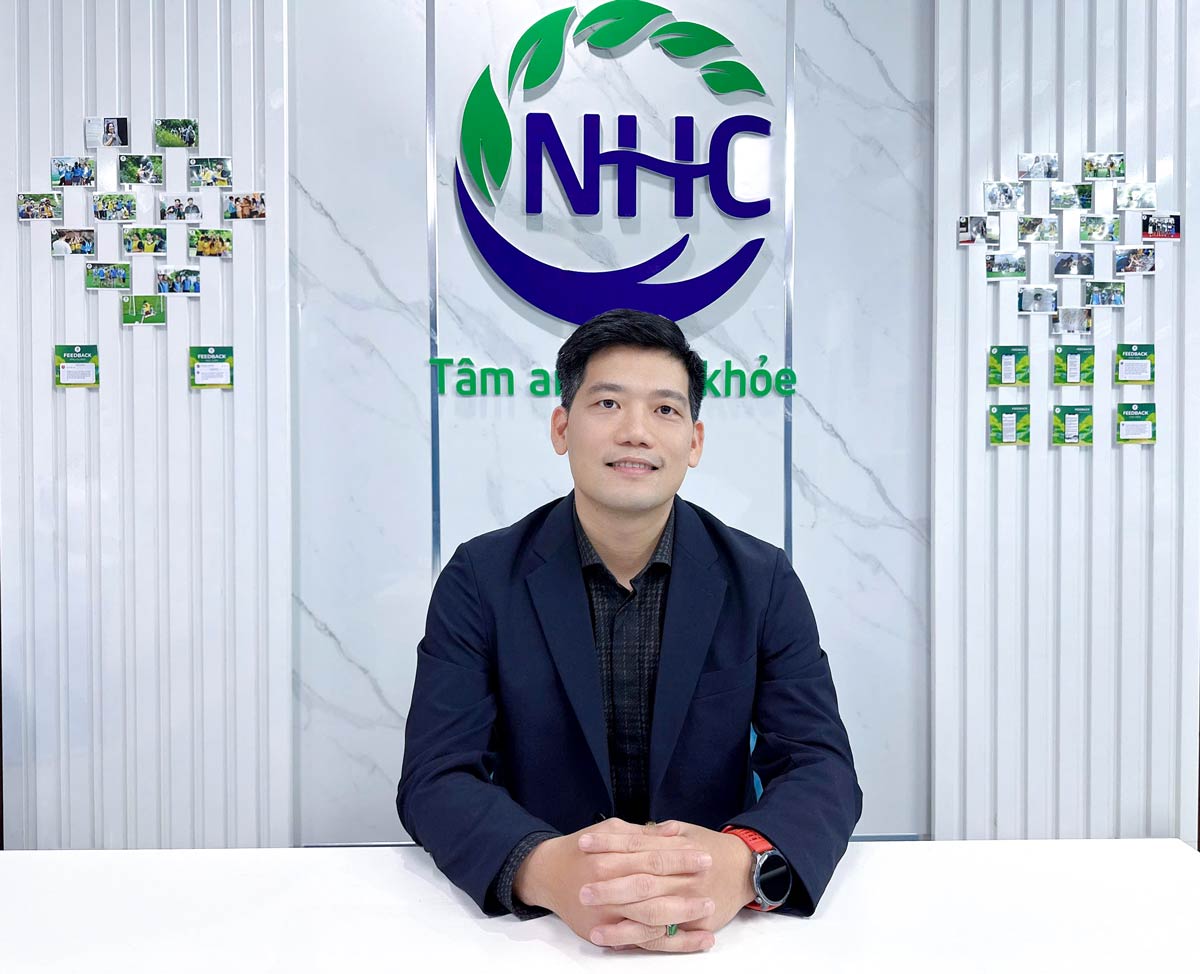
Besides listening to children's wishes, parents need to pay attention to the environment that children will participate in. A suitable program not only needs to have guaranteed facilities but also needs to create a psychologically safe space for children to be themselves. "Children need to be tested, to be wrong and to express emotions without fear of judgment" - Mr. Cuong emphasized.
In addition, parents also need to carefully understand the team behind the experiential programs. Organizers and instructors must have experience, understand children's psychology as well as design activities suitable for each age group. Not just simply organizing games or collective activities, experiential programs need to be built with clear goals, with specific educational and development orientations for children.


