
On April 3, the Vietnam Institute of Educational Sciences in coordination with the Department of Preschool Education, the Ministry of Education and Training and the World Bank organized a workshop "Towards the goal of improving the quality of preschool education" with the participation of managers and experts from home and abroad.
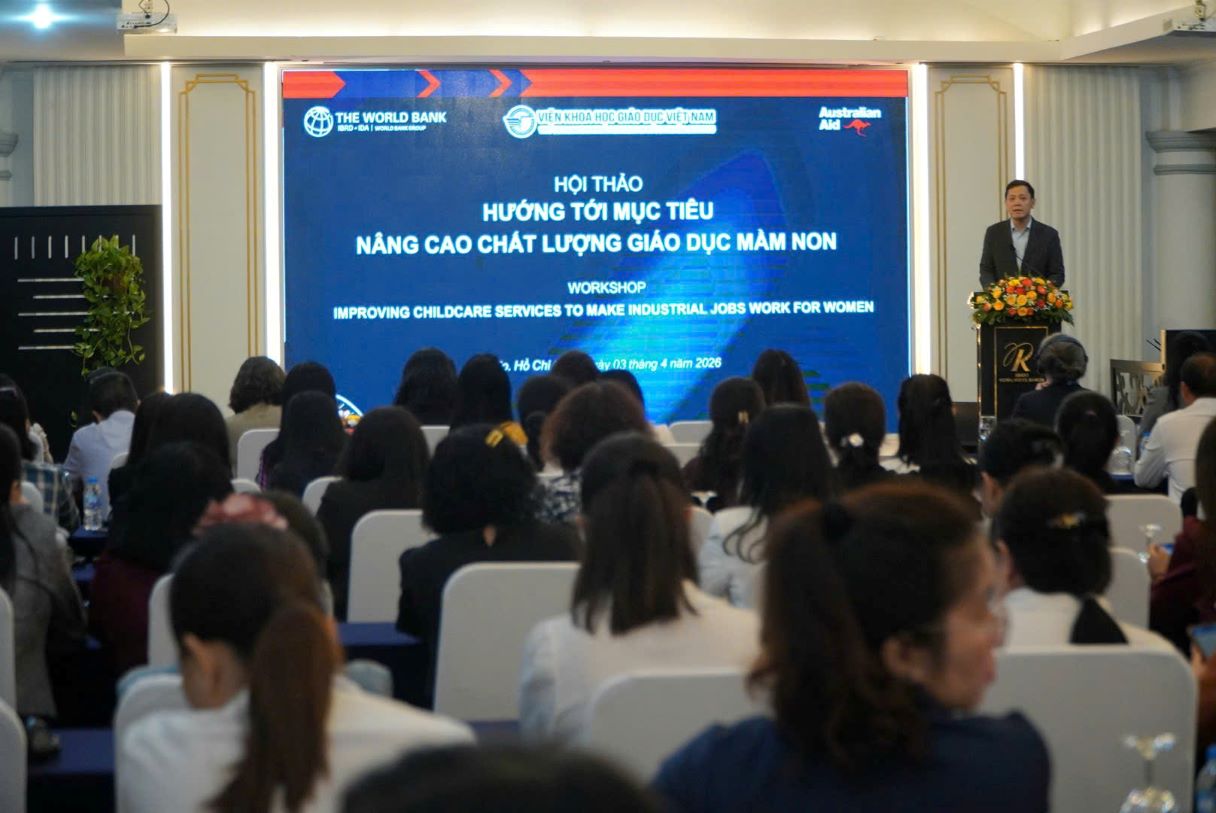
According to Prof. Dr. Le Anh Vinh - Director of the Vietnam Institute of Educational Sciences, preschool education needs to be seen not only as the field of education but also as the story of caring for, nurturing and protecting children in their early years.
According to Mr. Vinh, this is a foundational stage that is decisive for the development of each person. What children are exposed to in this stage will have a long-term impact on learning outcomes, lifelong learning ability and occupational productivity when they grow up.
Preschool education must be a story of early access, early opportunities and early investment, not only in the education sector but in the overall socio-economic development strategy," Mr. Vinh emphasized.
However, according to Mr. Vinh, reality is posing many challenges, especially in large cities and industrial parks - where the population density is high, the demand for sending children is high, however, the planning is not synchronized.
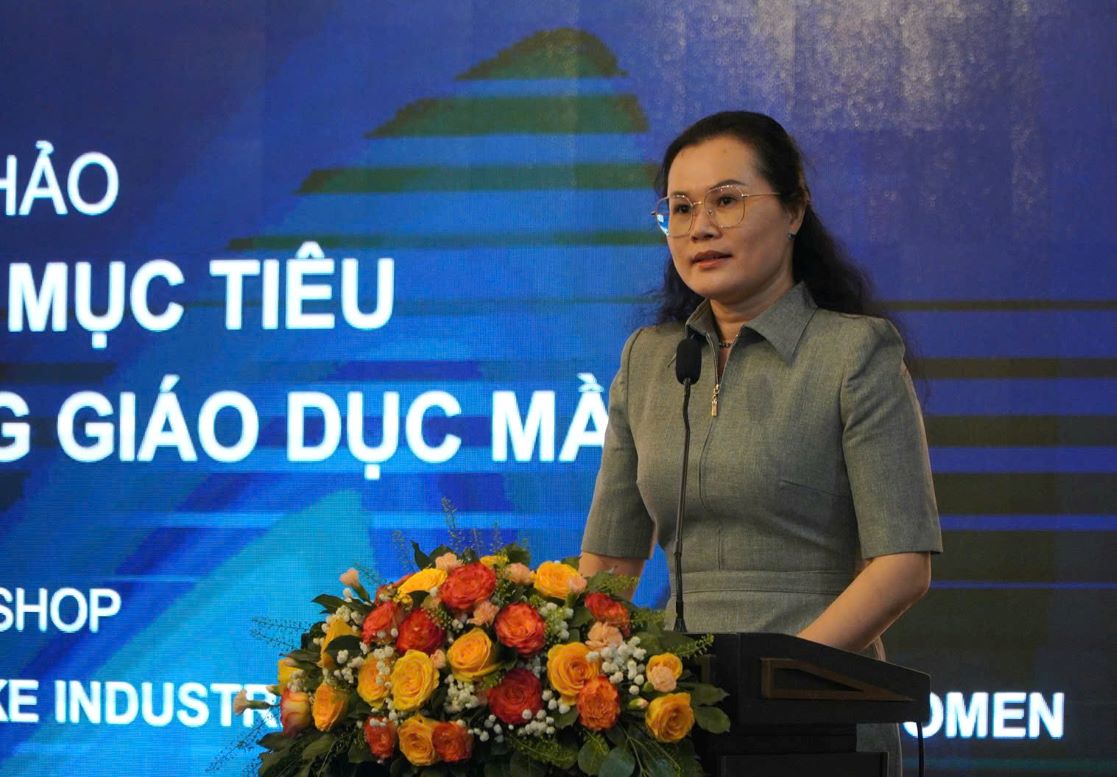
Ms. Le Thuy My Chau - Deputy Director of Ho Chi Minh City Department of Education and Training said that the city currently has more than 1,800 preschool facilities with over 520,000 children, the largest scale in the country, creating great pressure on the education system, especially in areas with a large number of workers and migrant workers.
To solve this problem, the Ho Chi Minh City Department of Education and Training is implementing many solutions such as expanding school opportunities for children, diversifying preschool education models and promoting digital transformation in management and teaching.
The city also pilots flexible models to suit the specific characteristics of urban areas and industrial parks, such as receiving overtime children for overtime parents, opening preschool facilities in workers' dormitories, encouraging businesses to participate in investment, supporting tuition fees and expanding care for children from 6-18 months old (about 240 facilities are implementing these models).
According to Ms. Chau, preschool education is not only the task of the education sector but also an important part of the long-term social security policy with the synchronous participation of all levels, sectors and the whole society.
Ms. Hoang Thi Dinh - Deputy Director of the Department of Preschool Education (Ministry of Education and Training) said that in the current context, ensuring fair access and improving the quality of preschool education is being particularly concerned, with many policies being issued, including the program to improve the quality of preschool education in industrial parks.
The program sets the key goal of strengthening care and education for children aged 6 to 36 months.
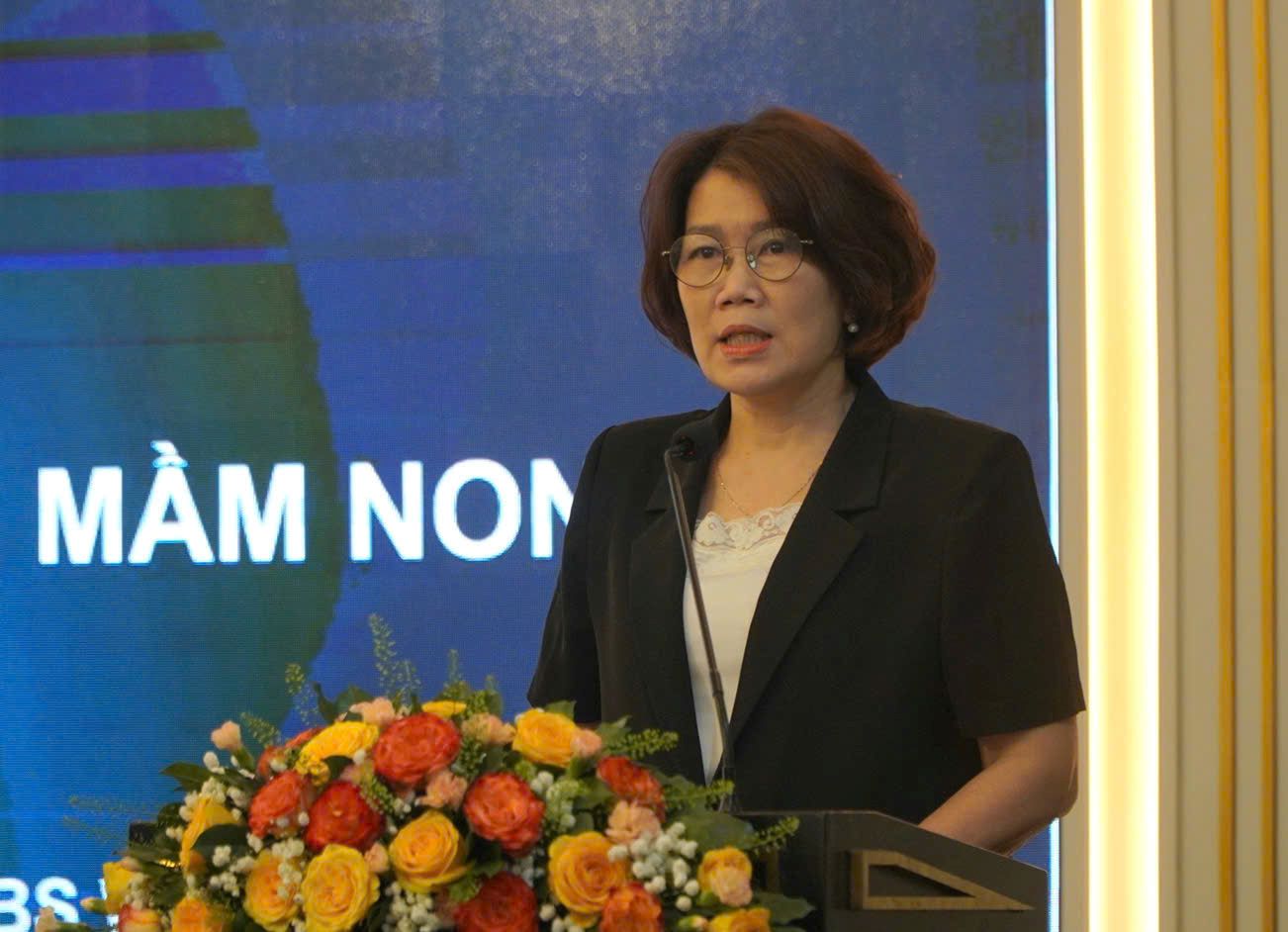
Ms. Dinh proposed that localities base on their functions and tasks according to decentralization to proactively advise and implement appropriate solutions, towards the goal of increasing the mobilization rate of nursery children, expanding opportunities to access preschool education services and gradually narrowing the quality gap between target groups in the coming period.


