
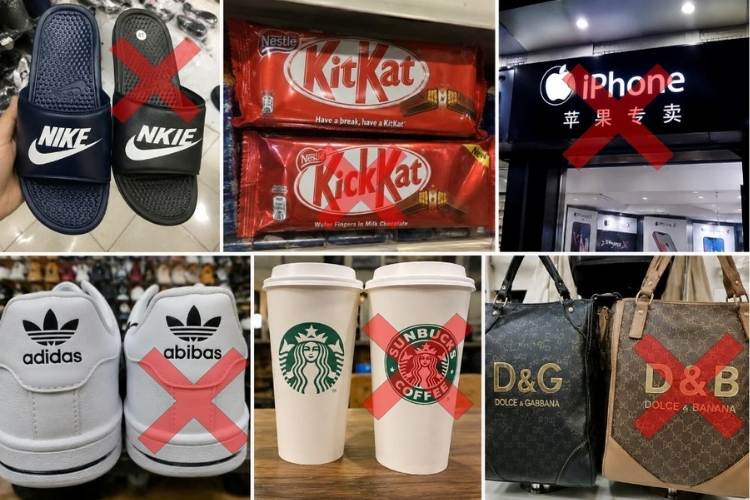
From supermarkets, convenience stores to e-commerce platforms, it is not difficult to encounter products with names, colors or designs that remind consumers of familiar brands. Some products only change a few characters in the name, slightly adjust the logo or change the presentation position, but overall still create a "familiar" feeling, causing many people to buy incorrectly.
Going to a supermarket near her house, Ms. Minh Anh (Hanoi) intended to buy a familiar type of laundry detergent commonly used for her family. However, after bringing it back, she discovered that the product she bought was not an old brand but another brand with a similar packaging.
The name is a little different, but the color, font and layout look very similar. When buying quickly, I didn't pay attention," Ms. Minh Anh said.
Not only laundry detergent, the situation of products with names, colors or presentations "similar" to familiar brands appears in many industries such as confectionery, cosmetics, food, beverages or technology accessories.
Mr. Nguyen Nam - owner of a grocery store in Hanoi said that many customers have complained about buying the wrong product because the packaging is the same. "Some products only change one word in the name, and the main color with the design style is almost similar. Older people or quick buyers are very likely to mistake," Mr. Nam said.
From this reality, many people question whether making a "slightly similar" brand label is considered a violation of intellectual property rights.
Answering this question, the Ministry of Science and Technology said that a sign that can be considered a trademark infringement when simultaneously meeting many conditions.
First of all, that sign must be used in business activities such as attaching to goods, packaging, service providers, transaction documents, signs, advertisements or other business vehicles.
In addition, the sign being considered must be duplicate or similar, causing confusion with the protected trademark. According to the Ministry of Science and Technology, the similarity may be shown in the structure, pronunciation, meaning, presentation or color of the visible trademark; or tone, music tone for the sound trademark.
If these factors cause consumers to be confused about the origin of goods or services, they may be considered as elements of infringement of trademark rights.
In addition to the condition of signs, goods or services bearing suspected signs must also be identical or similar to protected goods and services; or related in nature, function, use or consumption channel.
According to the Ministry of Science and Technology, only when simultaneously meeting the conditions on signs and conditions on goods and services can it be determined that there are elements of infringement of trademark rights.
For famous trademarks, the scope of protection is further expanded. Signs can still be considered infringing even when used for goods or services that do not match or are not similar, if that use may cause consumers to misunderstand the origin of goods or create a misleading impression of the relationship between the sign user and the owner of the famous trademark.


