
Prices increase slightly
Currently, the Central Highlands region has two localities leading the country in coffee area, Lam Dong and Dak Lak, with a total area of about 535,000ha. In the last three days, the price of green coffee beans has recovered slightly, fluctuating from 94,000 - 96,50 VND/kg.
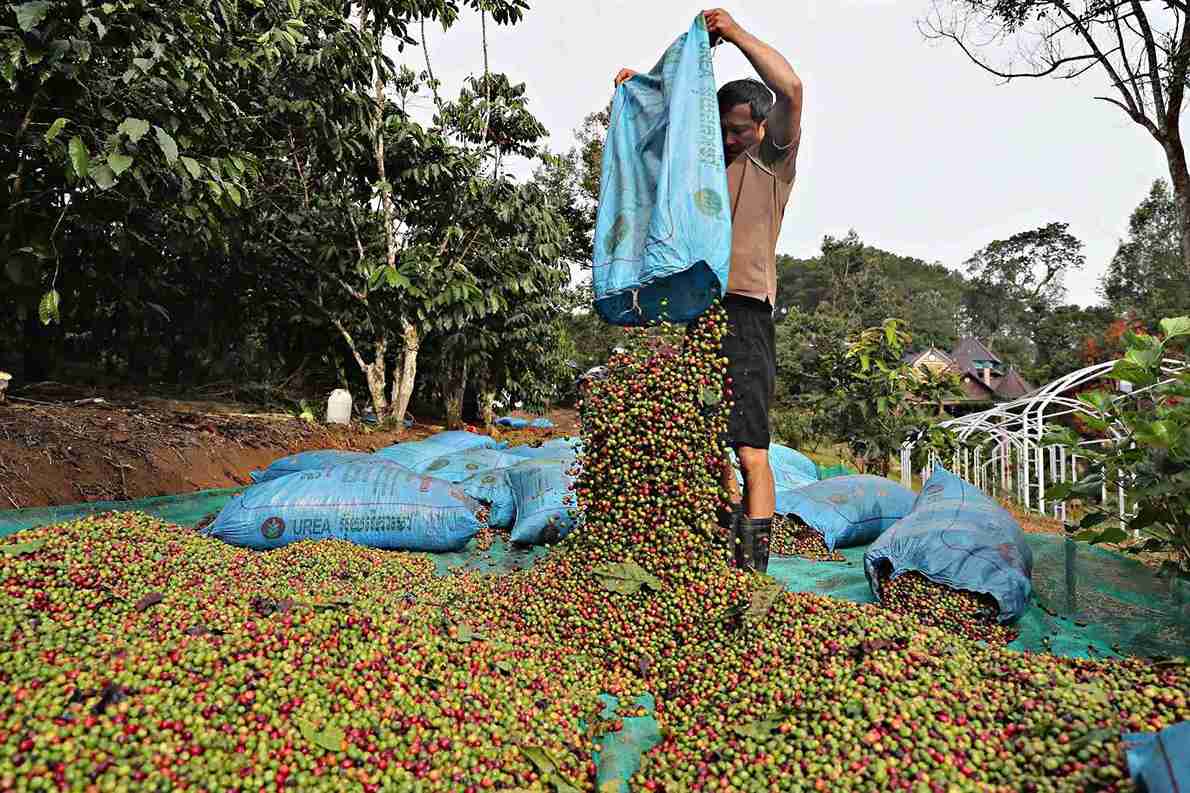
Lam Dong has more than 320,000 hectares, accounting for over 45% of the country's total coffee area. Dak Lak ranks second with about 210,000 hectares.
According to Mr. Nguyen Ba Ut - Director of Lam Dong Department of Industry and Trade, after the Lunar New Year, the coffee market in the area is basically stable. The price of green coffee beans tends to increase slightly, currently reaching about 95,500 VND/kg.
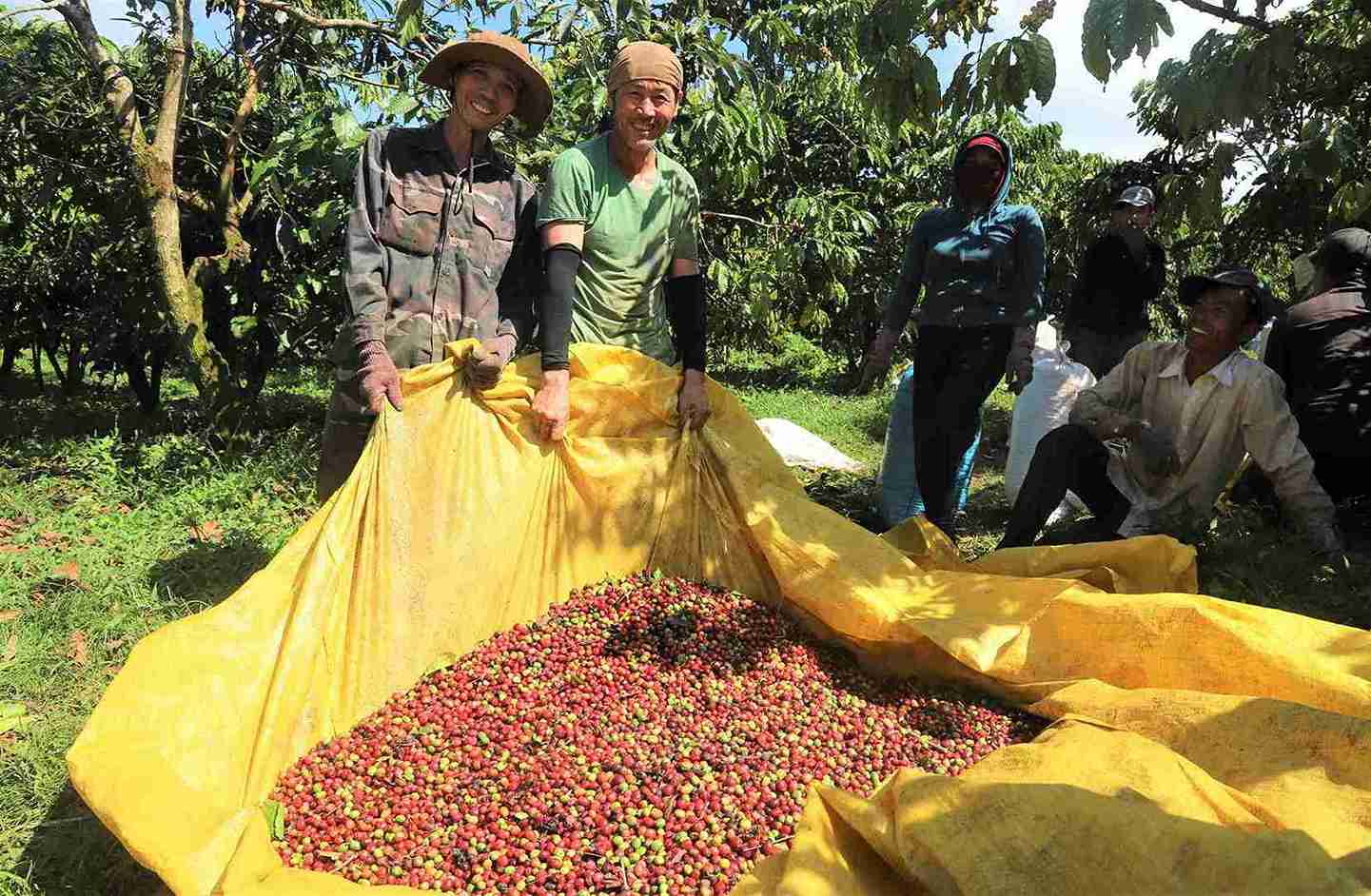
Mr. Ha Ngoc Chien - Head of the Sub-Department of Crop Production and Plant Protection of Lam Dong - said that in the 2025-2026 crop year, the whole province has about 322,000 hectares of coffee; average yield reaches 31.1 quintals/ha; total output is estimated at 1,028,390 tons; export turnover is estimated at over 650 million USD.
The whole province has formed 117 cooperatives and 32 cooperative groups for coffee production and business; built 65 production - consumption linkage chains with 29,420 participating households on an area of 55,468ha. Lam Dong has been granted 18 coffee growing area codes.
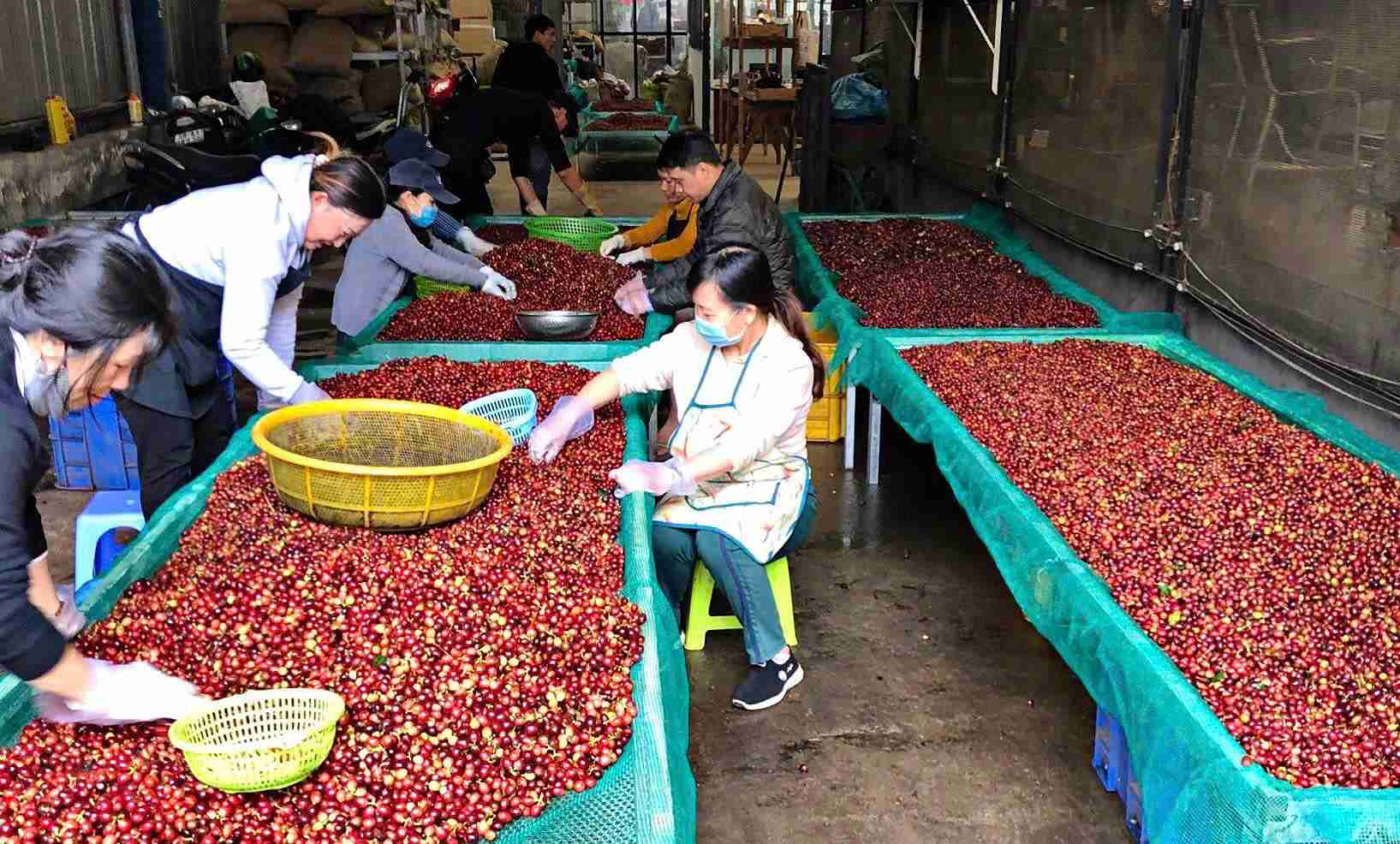
Currently, the locality has more than 30 enterprise-scale processing facilities meeting international standards such as HACCP, ISO 22000. However, over 98% of export output is still raw coffee beans.
Vice Chairman of Lam Dong Provincial People's Committee Le Trong Yen said that in terms of area, yield and output, the locality has affirmed its position as a key coffee production region of the country.
Lam Dong's coffee export market is increasingly expanding to many countries around the world such as the US, UK, Korea, Japan, Eastern Europe, EU.
However, export activities are still facing many difficulties, mostly through intermediary businesses outside the province, so the potential has not been fully exploited.
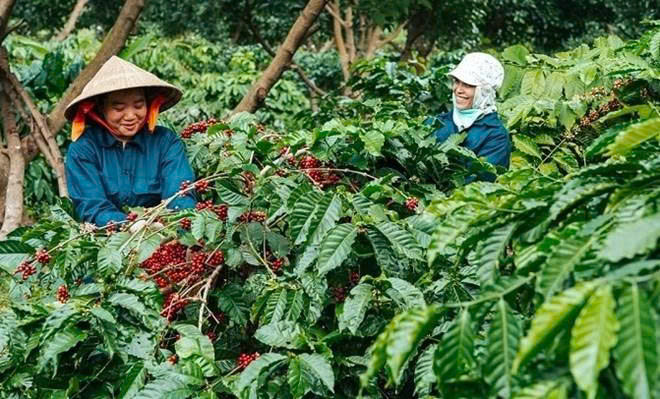
Along with Lam Dong, Dak Lak currently has more than 214,000 hectares of coffee. In the 2025–2026 crop year, the estimated output is 570,000 tons of kernels, with revenue of about 54,000 billion VND.
According to Mr. Nguyen Thien Van - Vice Chairman of Dak Lak Provincial People's Committee, coffee continues to be the province's key export item, creating a foundation for agricultural growth in the context of climate change and volatile markets. The province is orienting sustainable coffee development, associated with logistics and protecting the rights of producers.
Farmers do not stockpile coffee
According to the assessment of functional agencies, in the past three years, coffee prices have been maintained at a high level, creating conditions for farmers to invest and apply science and technology to production, improving productivity and quality.
People also actively monitor the market to choose a suitable selling time.
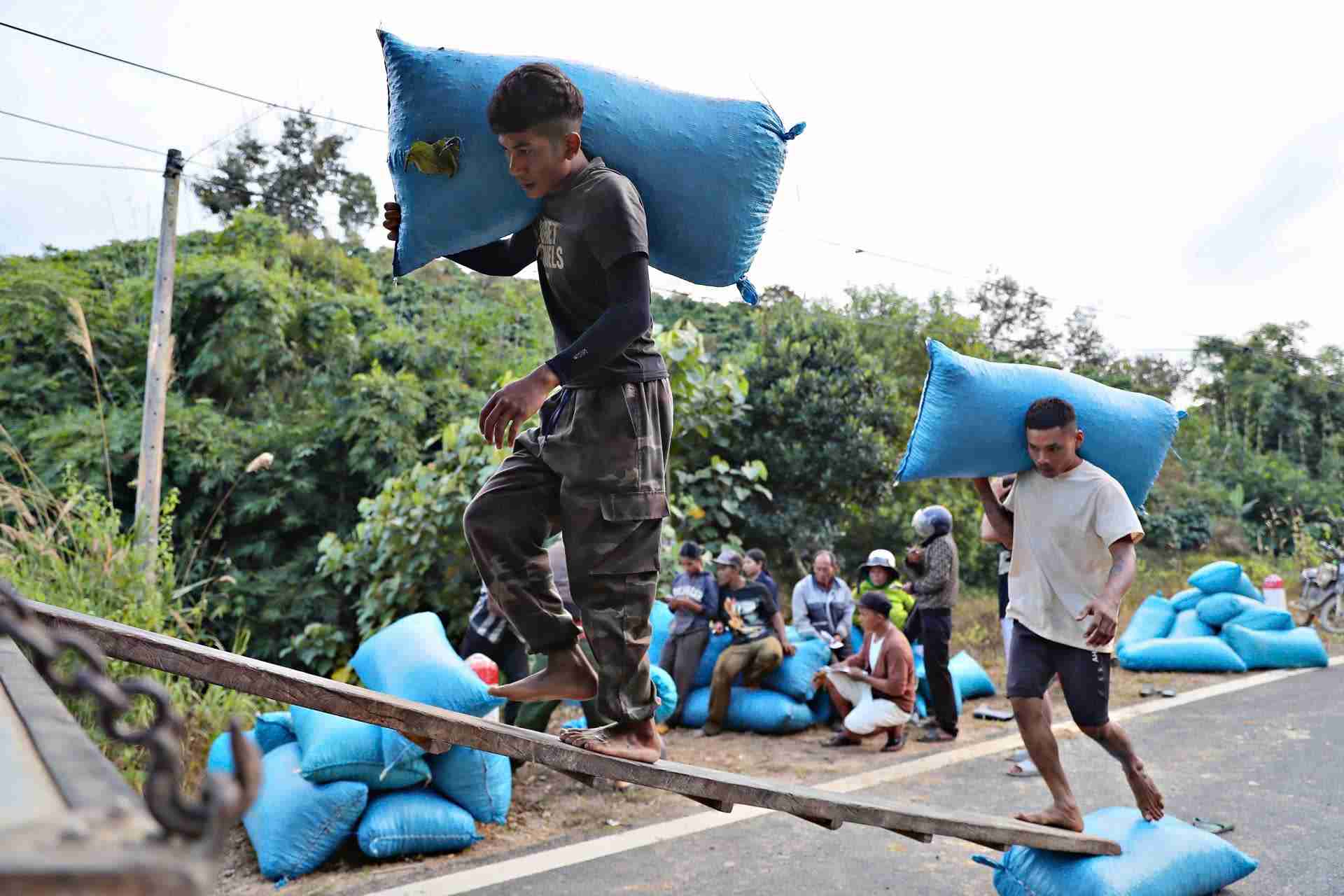
Mr. Nguyen Van Tu (Bao Lam 1 commune, Lam Dong) said that his family has 6.5ha of coffee, with a yield of more than 30 tons of kernels. In mid-January 2026, when the price reached more than 11,700,000 VND/kg, his family sold everything to pay for expenses and reinvest in the new crop.
Mr. Nguyen Binh Dong (Ward 1, Bao Loc, Lam Dong) - owner of a high-quality coffee production enterprise with more than 110ha, said that the harvested output reached about 420-450 tons of kernels, which have been sold out, with revenue of more than 40 billion VND.
Meanwhile, Mr. Nguyen Dinh Vien - Director of PM Coffee Co., Ltd. (Dak Lak) - said that the enterprise is temporarily suspending the export of raw coffee beans to the Middle East market due to regional instability. Before Tet, coffee prices reached 103,000-105,000 VND/kg, currently around 90,000-93,000 VND/kg and may continue to fluctuate.
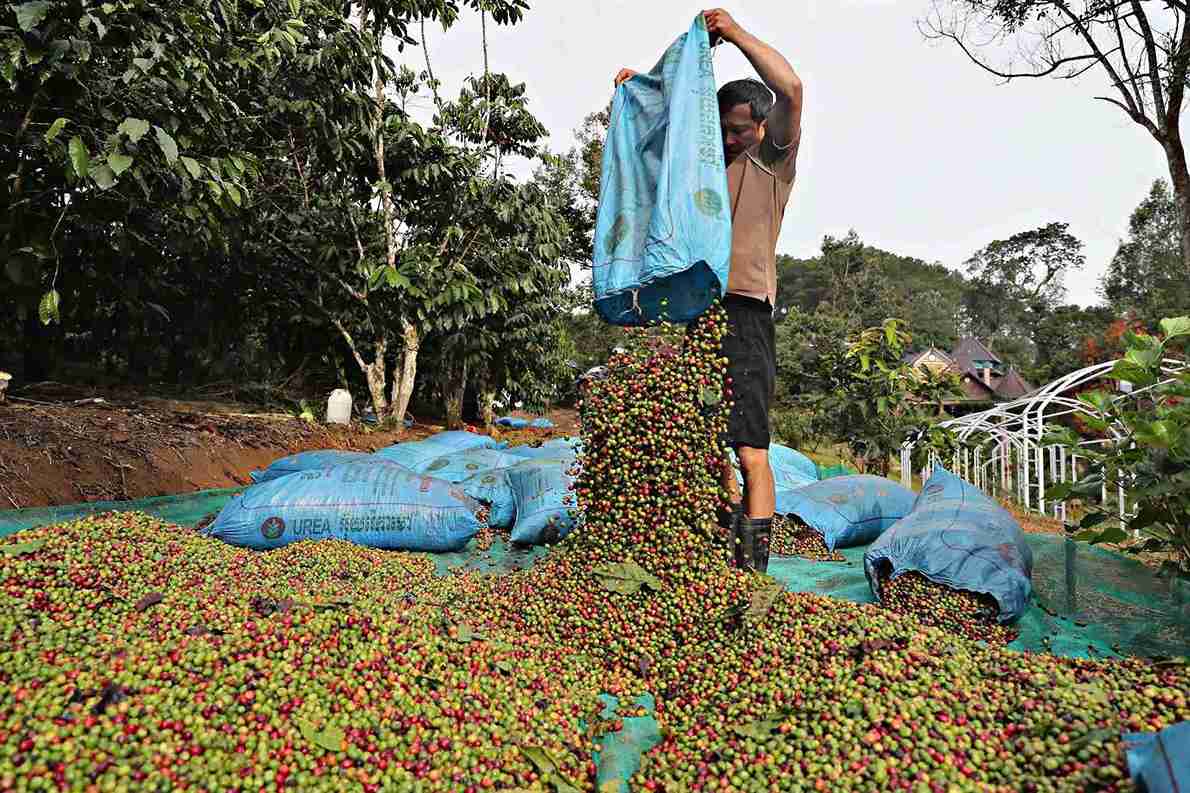
According to representatives of Atlantic Vietnam Trading Co., Ltd. (Acom) and some coffee businesses, with the current situation, the coffee export market is likely to continue to fluctuate.
This year, Acom exported about 50,000 tons of local coffee from many countries around the world such as the UK, USA, EU and many other markets around the world.


