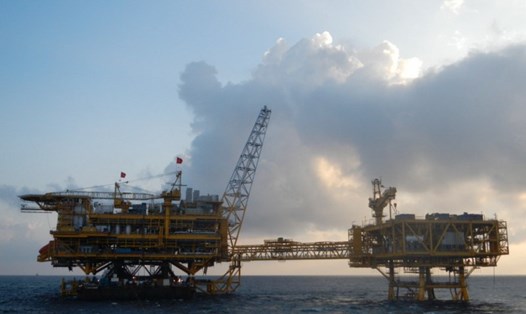
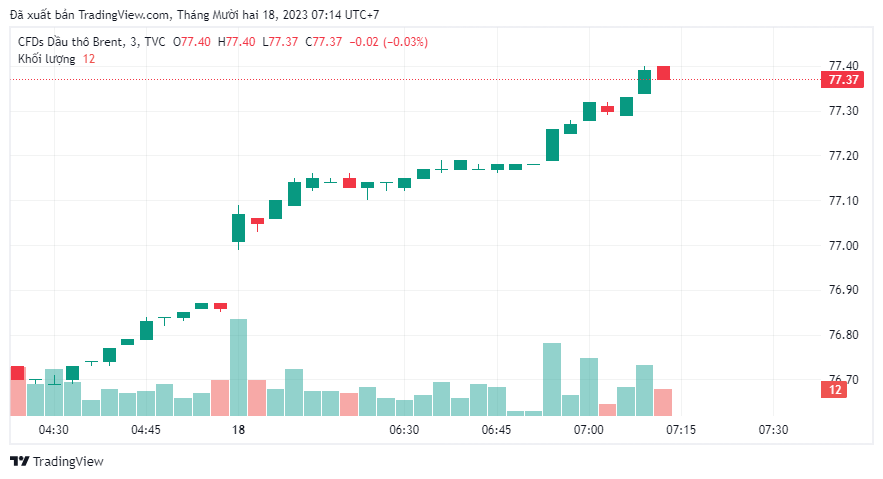
Cụ thể, giá dầu Brent giao dịch ở mức 77,37 USD/thùng, tăng 0,31 USD. Trong khi đó dầu WTI giao dịch mức 72,56 USD/thùng, tăng 0,22 USD/thùng.
Cơ quan Năng lượng Quốc tế (IEA) cho biết, tiêu thụ dầu thế giới tăng 1,1 triệu thùng/ngày vào năm 2024, tăng 130.000 thùng/ngày so với dự báo trước đó.
Còn Tổ chức Các nước Xuất khẩu Dầu mỏ (OPEC) đưa ra dự báo mức tiêu thụ dầu thế giới trong năm 2024 là 2,25 triệu thùng/ngày. Mức này cao gấp hơn 2 lần so với dự báo của IEA.
Bên cạnh đó, thị trường dầu diễn biến tích cực sau cuộc họp của Cục Dự trữ liên bang Mỹ (Fed) kết thúc vào ngày 13.12 khi cơ quan này quyết định giữ nguyên lãi suất, đồng thời phát tín hiệu về khả năng lãi suất sẽ được cắt giảm vào năm tới.
Sau Fed, Ngân hàng Trung ương Anh (BoE) và Ngân hàng Trung ương châu Âu (ECB) quyết định tiếp tục không tăng lãi suất.
Động thái của các ngân hàng trung ương lớn trên thế giới khiến đồng USD xuống mức thấp nhất 4 tháng. Việc này giúp giá dầu rẻ hơn cho những người mua bằng ngoại tệ khác.
Một tín hiệu tăng giá khác cho thị trường dầu mỏ là số lượng giàn khoan thấp. Theo Baker Hughes, số giàn khoan dầu và khí đốt, một chỉ báo sớm về sản lượng tương lai, đã giảm 3 giàn xuống 623 giàn trong tuần tính đến ngày 15.12.
Tuần này, các cuộc tấn công tàu ở Biển Đỏ của lực lượng Houthi ở Yemen vẫn sẽ tiếp tục đe dọa nguồn cung dầu từ Trung Đông.
Theo Paul Sullivan - thành viên cao cấp không thường trú tại Trung tâm Năng lượng Toàn cầu của Hội đồng Đại Tây Dương cho biết, nếu căng thẳng tiếp tục leo thang, giá dầu có thể sẽ tăng.
Giá bán lẻ xăng dầu trong nước ngày 18.12 cụ thể như sau: Xăng E5 RON 92 không quá 20.512 đồng/lít; xăng RON 95 không quá 21.405 đồng/lít; dầu diesel không quá 19.010 đồng/lít; dầu hỏa không quá 19.964 đồng/lít; dầu mazut không quá 14.978 đồng/kg.