
The night economy with Gia Lai is a new field, without a standard model. Rapid development easily leads to spreading, product duplication and waste of resources. Choosing a pilot strategy to measure and then replicate is the safest and most effective direction to avoid mistakes.
Pilot to go in the right direction
Reality in many localities shows that trend-based tourism investment, products lacking characteristics - "similar, available everywhere" - only adds to the management burden. Gia Lai is at risk of going into this "overturned track" if it develops the night economy hastily, chasing after the market but lacking a roadmap, especially in the context that many urban and coastal tourism infrastructure is destroyed after natural disasters and has not been restored.
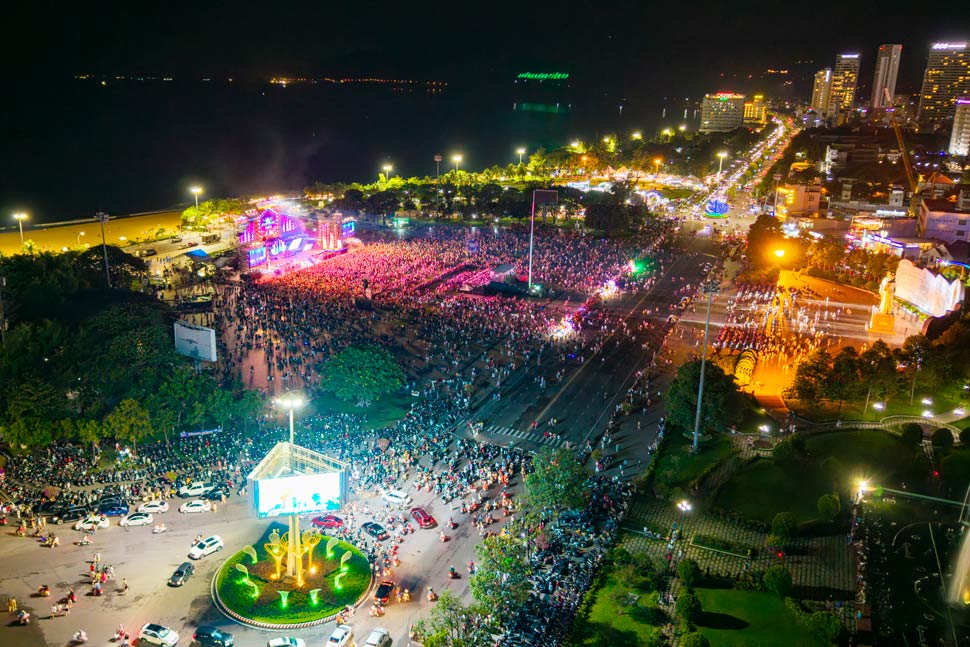
According to Ms. Do Thi Dieu Hanh - Director of the Department of Culture, Sports and Tourism of Gia Lai province, the night economy is a new field for the province. Infrastructure, urban management, human resources and the nightlife habits of people and tourists are still in the process of forming.
The pilot implementation helps the province both do and evaluate, promptly adjust the model to suit reality, avoiding scattered and ineffective investment," Ms. Hanh said.
After the merger, Gia Lai's development space is very large and diverse, from central urban areas, coastal areas to highlands. Each area has different characteristics in terms of population, visitor flow, culture, and environment.
According to Ms. Hanh, gradual and selective development helps identify the right type of night economy suitable for each space, instead of applying a rigid model throughout the province.
The night economy affects security and order, environment, transportation, people's lives and urban landscape. The pilot approach allows risk control, completing the management coordination mechanism and creating consensus before expansion," Ms. Hanh assessed.
5 key service groups shaping the night economy
From identifying market gaps and actual needs, Gia Lai province identifies the night economy as a new strategic direction. The goal is to expand service - tourism space, extend accommodation time, increase tourist spending and create growth momentum.
The province's orientation is to develop step by step, according to appropriate models for each region, ensuring harmony between economy, culture and security and order.
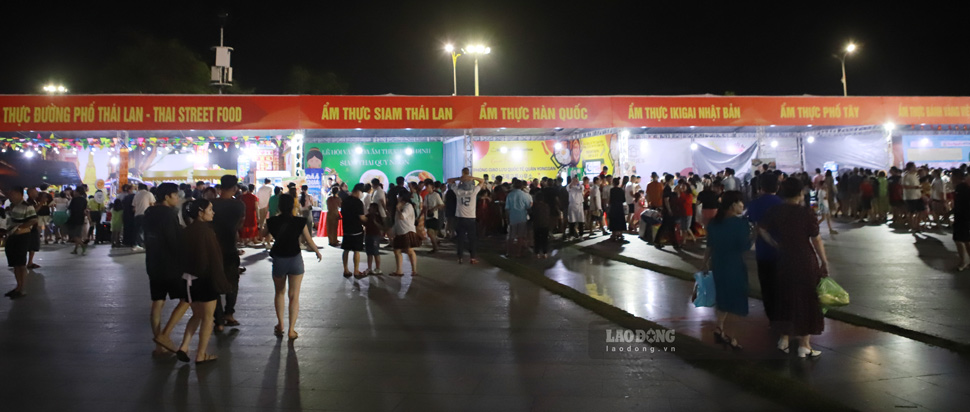
Currently, the night food street in Pleiku is being planned in the central area, with the highlight being Phung Hung street and the area around Dai Doan Ket Square. This space will connect with the pedestrian street, square and Hoi Phu stream embankment, forming a night activity axis. This is the location chosen to arrange cuisine, culture and night trade.
The province identifies 5 groups of service types: cultural - artistic performances, events; shopping; sports - health care - beauty; sightseeing and experiencing night tourism; cuisine and food services. At the same time, unify in terms of space, lighting, architecture, signs to ensure a synchronous image.
The most important thing is that the models must be linked to the real needs of tourists, organized professionally and operate stably. If there is no difference between day and night, no matter how many points are opened, it will be difficult to retain tourists," Ms. Hanh emphasized.
The night economy is a new direction, expected to help the province break through if it develops in the right direction. However, this model has many potential consequences such as noise, waste, urban order, tourist security and competition for benefits.
Therefore, Gia Lai needs to put residents in the center, avoid developing conflict-causing models, turning tourism into a burden. The pilot step is necessary, helping to identify problems early before "pouring money" to replicate.


