
Sellers must identify, large exchanges bear higher responsibility
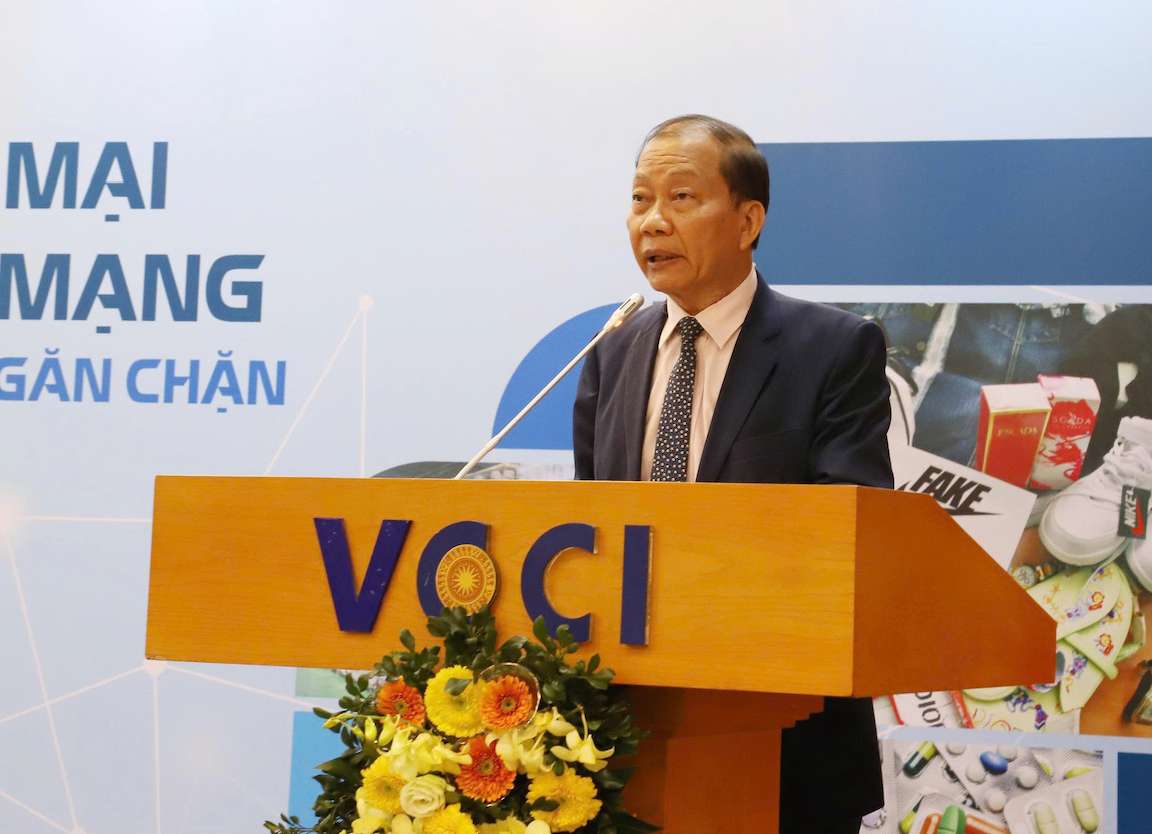
Speaking at the forum "Commercial Fraud in cyberspace: Challenges and solutions to prevent" held on the afternoon of December 30, Mr. Hoang Quang Phong - Vice Chairman of the Vietnam Chamber of Commerce and Industry (VCCI) said that e-commerce and business activities in cyberspace have become and are becoming an important driving force to promote economic growth and expand opportunities for businesses and consumers.
However, along with that rapid development, VCCI representatives said that the situation of smuggling, trade fraud, trading in counterfeit goods, fake goods, and poor quality goods in cyberspace is becoming increasingly complicated. This has a significant impact on the health, even the lives of consumers, affecting legitimate businesses, causing consumers to panic and worry.
Providing information at the forum, Ms. Le Thi Ha - Head of the E-commerce Operations Management Department, Department of E-commerce and Digital Economy (Ministry of Industry and Trade) said that in 2025 alone, the Department requested to remove over 47,000 pieces of information related to counterfeit goods, fake goods, intellectual property rights violations and other signs of violations in the online environment.
Faced with that situation, the National Assembly's official passage of the Law on E-commerce on December 10, 2025 marked an important step in the legal corridor in the context of the digital economy and digital trade in Vietnam developing increasingly strongly.
One of the important new points of the Law on E-commerce is that the scope of regulation is significantly expanded compared to Decree 52/2013/ND-CP and Decree 85/2021/ND-CP. Accordingly, the law not only regulates traditional e-commerce platforms, but also covers many new types of platforms, such as digital service platforms in the fields of lottery, insurance, and digital information intermediary platforms with commercial elements.
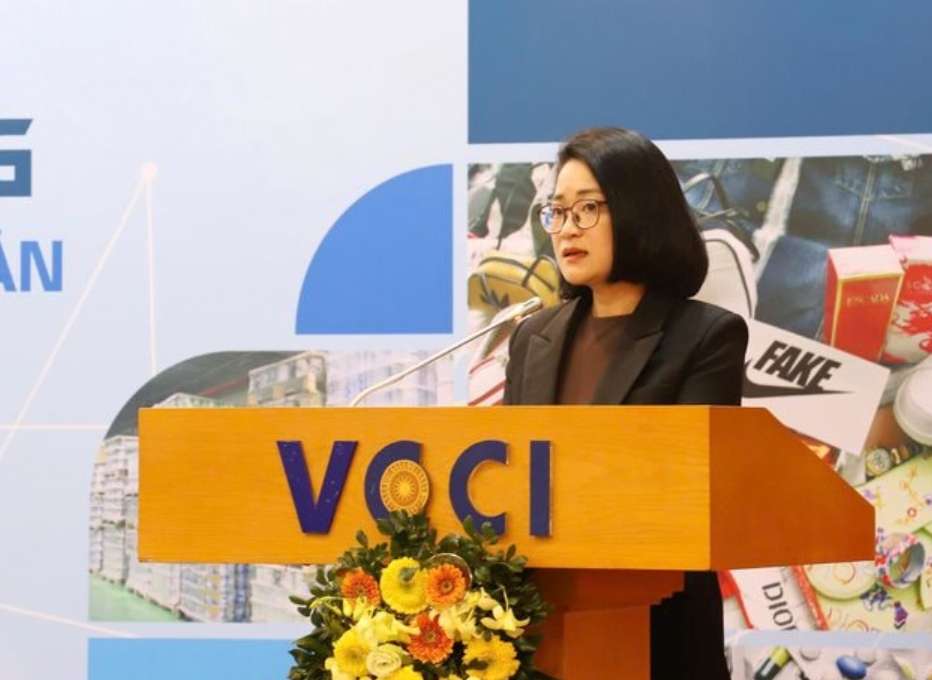
For ordinary e-commerce platforms, the requirement to identify sellers on the platform is mandatory, in order to increase transparency and responsibility of participating entities. Meanwhile, large e-commerce platforms must fulfill higher obligations such as strengthening the mechanism for resolving consumer complaints and reflections; storing transaction information; coordinating to provide data to serve state management when necessary" - Ms. Ha said.
Tightening legal regulations, increasing inter-sectoral coordination
According to Mr. Tran Duc Dong - Deputy Chief of Office of the National Steering Committee 389, the current legal system on combating smuggling, trade fraud and counterfeit goods is basically relatively complete, including regulations in the Penal Code, specialized laws and a system of decrees and guiding circulars.
However, actual implementation shows that there are still inadequacies, such as some regulations are still overlapping, sanctions are not sufficiently deterrent; the valuation of exhibits, handling, and preservation of violating goods are still complicated and costly; there is a lack of unified guidance in handling violations in cyberspace. In addition, the sharing and connection of data between ministries, branches, and localities in many cases is not smooth, affecting the effectiveness of coordination.
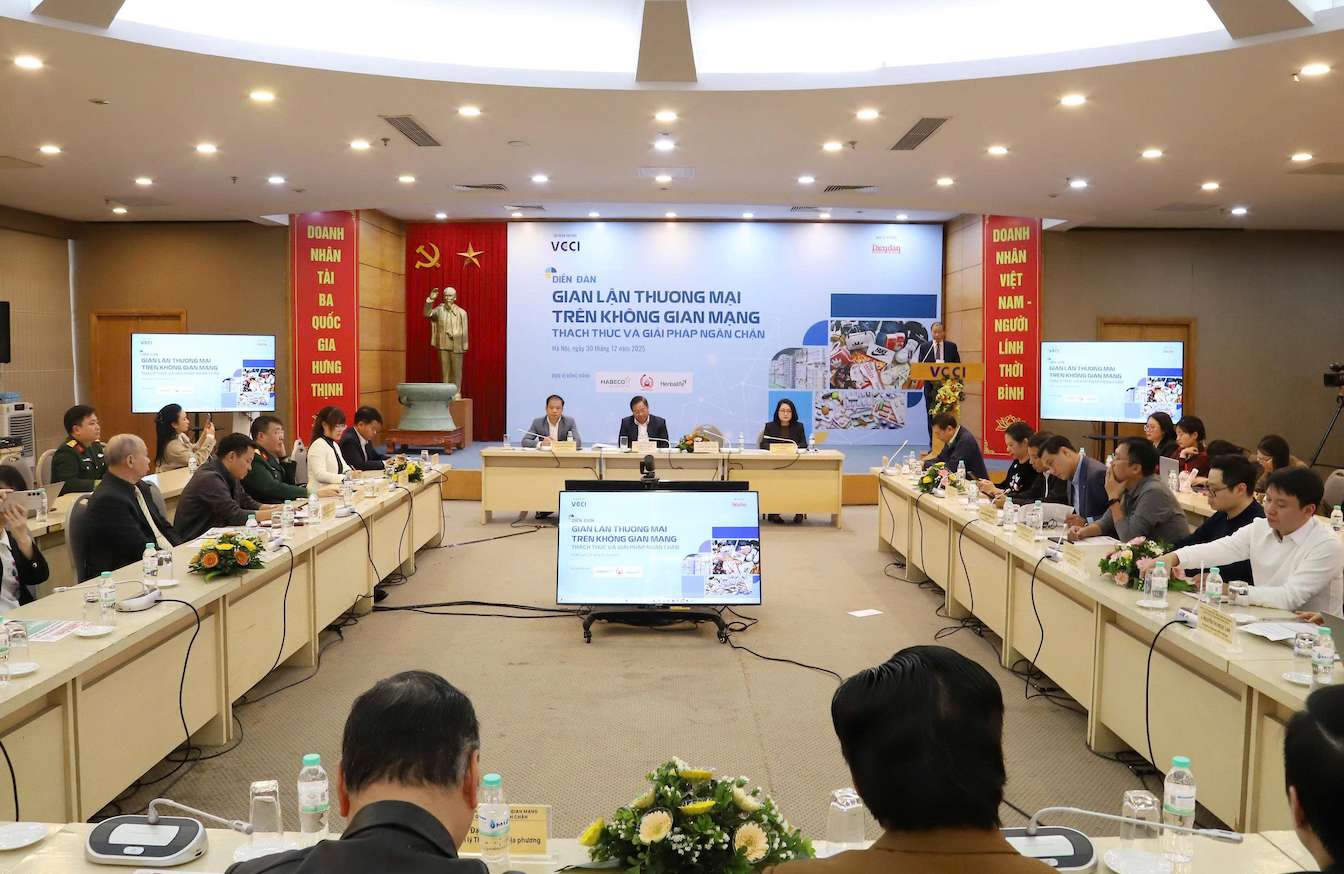
To improve the effectiveness of preventing and combating smuggling, trade fraud and counterfeit goods, especially in cyberspace, the National Steering Committee 389 emphasizes the necessity of synchronous, drastic and long-term solutions.
In which, the focus is on continuing to improve institutions, review and amend inadequate legal regulations; strengthen inter-sectoral and inter-local coordination; promote the application of science and technology, build and connect shared databases" - Mr. Tran Duc Dong emphasized.
In parallel with that, Mr. Tran Duc Dong said that it is necessary to focus on training and improving the capacity of implementing officials, strengthening propaganda, raising awareness of consumers and the business community, considering this as an important "defense line" in the fight against smuggling, trade fraud and counterfeit goods.


