
The private economy is the most important driving force
On the morning of May 6, the seminar "Private economy in the era of national rise" took place at Melia Hanoi Hotel.
Speaking at the conference, Dr. Phan Duc Hieu - Member of the National Assembly's Economic and Finance Committee emphasized that after 40 years of Doi Moi, awareness of the private economic sector in Vietnam has had fundamental changes, even breakthroughs in development thinking. According to Mr. Hieu, looking back at the development process, 5 major turning points in changing awareness of the private economy can be clearly seen.
Before 1986, the private economy was almost not recognized in the economy. After Doi Moi, this sector began to be recognized and allowed to develop in a number of sectors beneficial to the economy.
By 1996, an important milestone was set when economic sectors were recognized as equal. The next turning point took place in 2006, when the private economy was seen not only as a purely economic sector but as one of the important drivers of the economy.
According to Dr. Phan Duc Hieu, in the recent period, thinking has had a breakthrough change when the private economy is identified as one of the most important drivers of the economy.
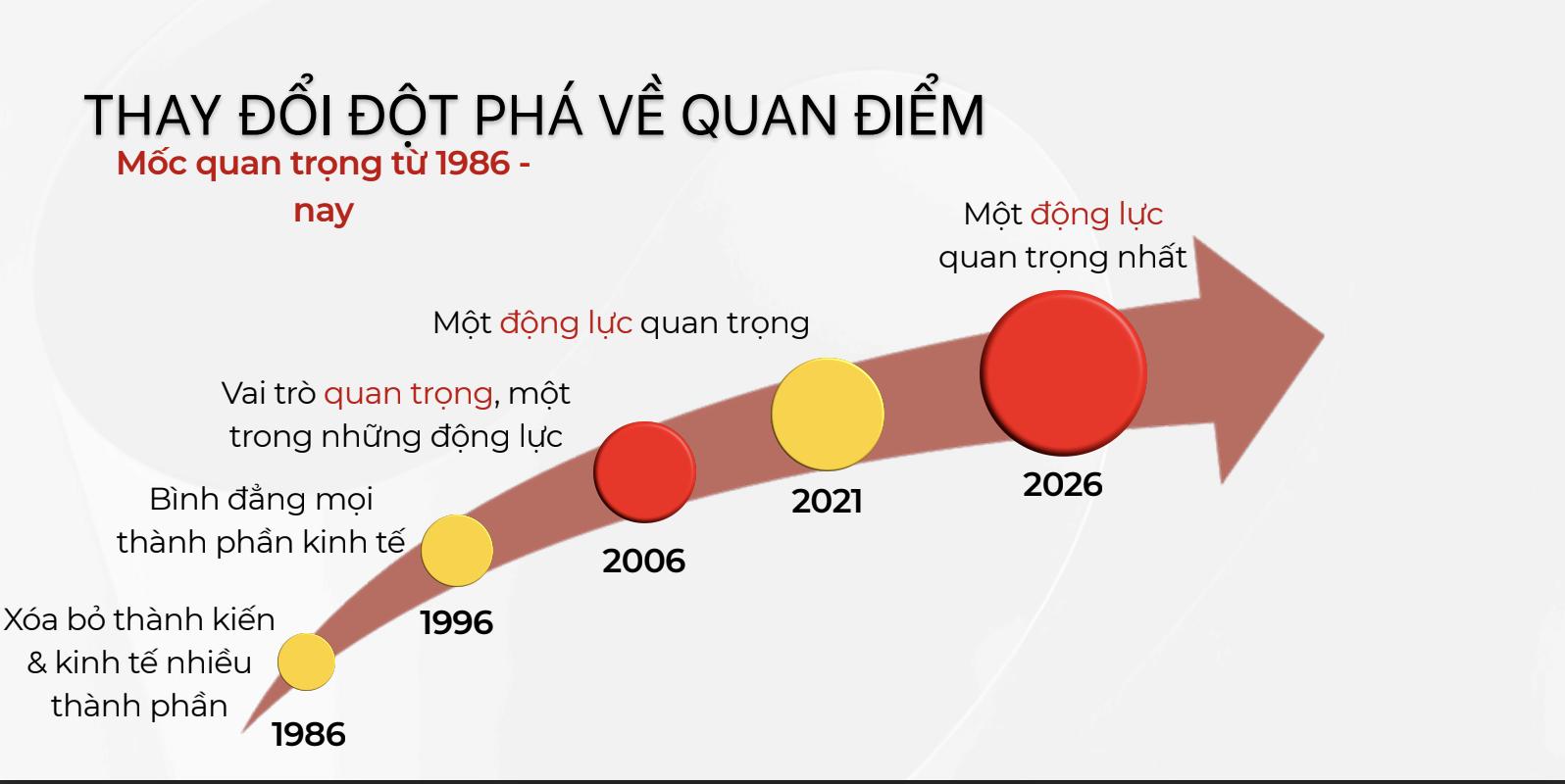
This is a very big change in development thinking, because when the private economy is considered the most important driving force, the entire policy design, resource allocation and institutional operation must also change accordingly," Mr. Hieu emphasized.
In that context, he assessed Resolution 68 on private economic development as an important turning point in reform thinking. According to Mr. Hieu, the core difference of this resolution lies in the comprehensive and systematic approach. If previously, reforms mainly focused on cutting administrative procedures and reducing troubles for businesses, now thinking has changed to a deeper direction.
Creating a stable environment for business development
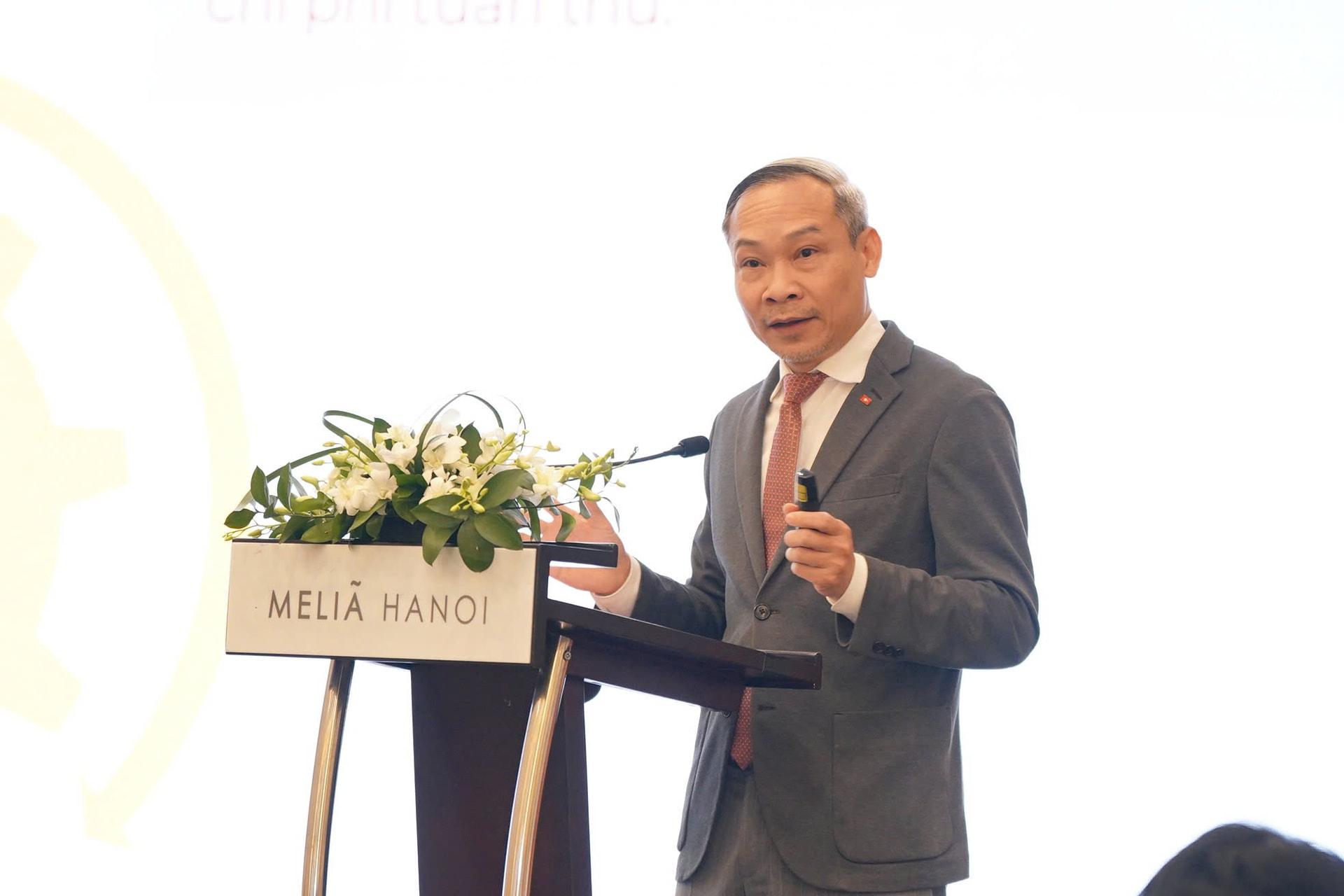
According to Dr. Phan Duc Hieu, one of the key factors determining the success of Resolution 68 is the institutionalization process. He said that in just 12 days and nights, Resolution 198 was issued to concretize the major orientations of Resolution 68. Along with that, many important laws were also amended and supplemented such as the Investment Law, PPP Law, Bidding Law, Planning Law, Enterprise Law... to create more favorable conditions for investment and business activities.
However, Mr. Hieu noted that the success of reform should not be measured by the number of documents issued, but must be assessed by the quality of implementation and the actual level of benefit of businesses.
Besides the positive results, Dr. Phan Duc Hieu believes that the private economic sector is still facing many challenges in terms of scale, technology, management capacity and increasingly fierce competitive environment. According to him, the process of implementing Resolution 68 cannot only rely on efforts from the State, but needs the proactive participation of the business community.
Reform should not be viewed in one direction. This is a two-way process, in which the State creates an environment, and businesses must proactively adapt and develop," Mr. Hieu emphasized.
Also at the workshop, Ms. Le Thi Viet Nga - Vice Chairwoman of the SSC - said that in the past time, the Government has promoted the completion of the legal framework to support the stock market to develop transparently, safely and become an effective capital channel for the economy.
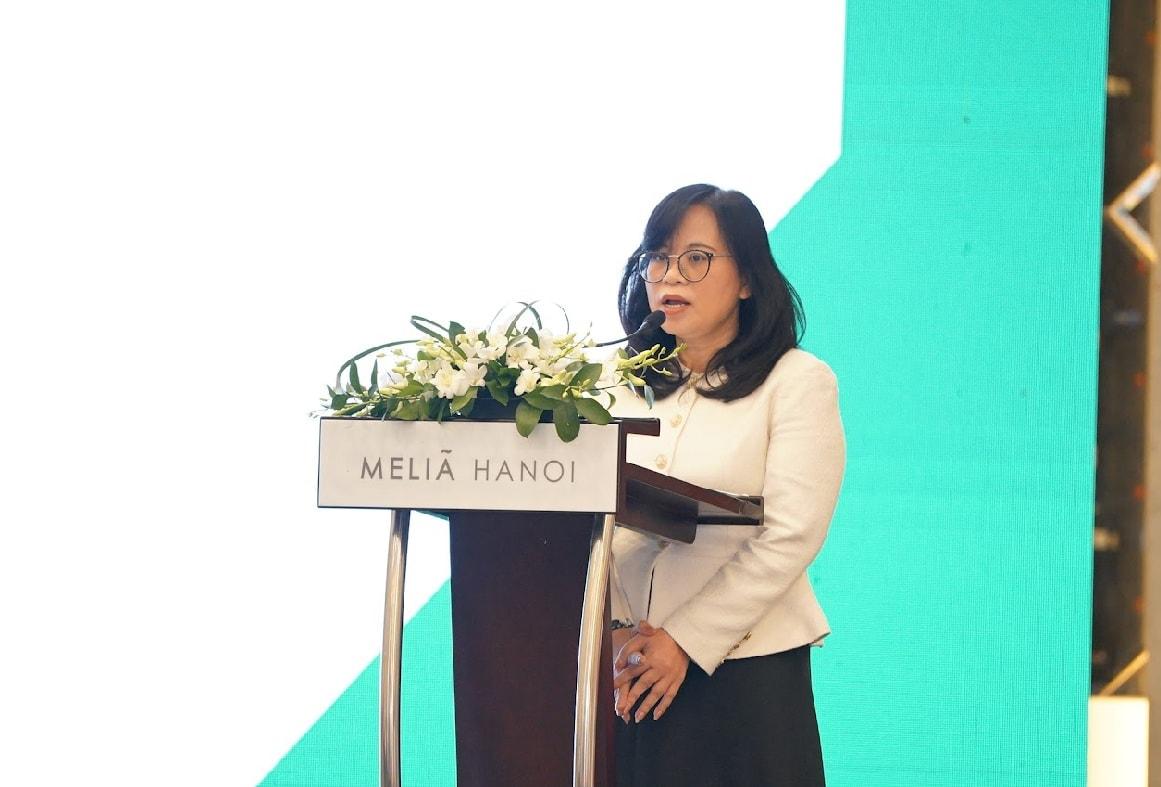
According to Ms. Nga, in the context of the private economy playing an increasingly important role, the stock market is not only a medium and long-term capital mobilization channel, but also a "support" to help businesses improve transparency, expand scale and reach investors.
Ms. Nga said that the market development orientation in the coming time will focus on stability, system safety, maintaining scale growth and supporting the sustainable development of the private economic sector.


