
Switching from attracting a lot to attracting the right
On the 16th and 17th of this year, Lao Cai province will organize an investment promotion conference with the theme "Lao Cai - Connecting development - Green and sustainable". The conference promises to open up new cooperation opportunities, unlock resources and create momentum for breakthrough development steps.
After merging with Yen Bai and Lao Cai provinces to expand development space, this is considered a favorable time to reposition the investment attraction strategy.
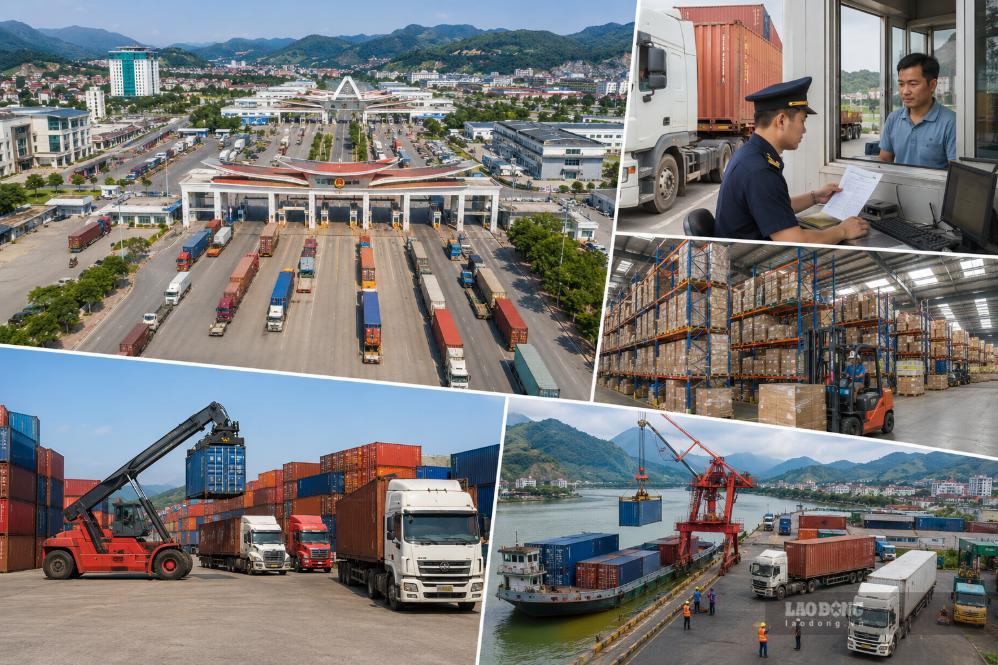
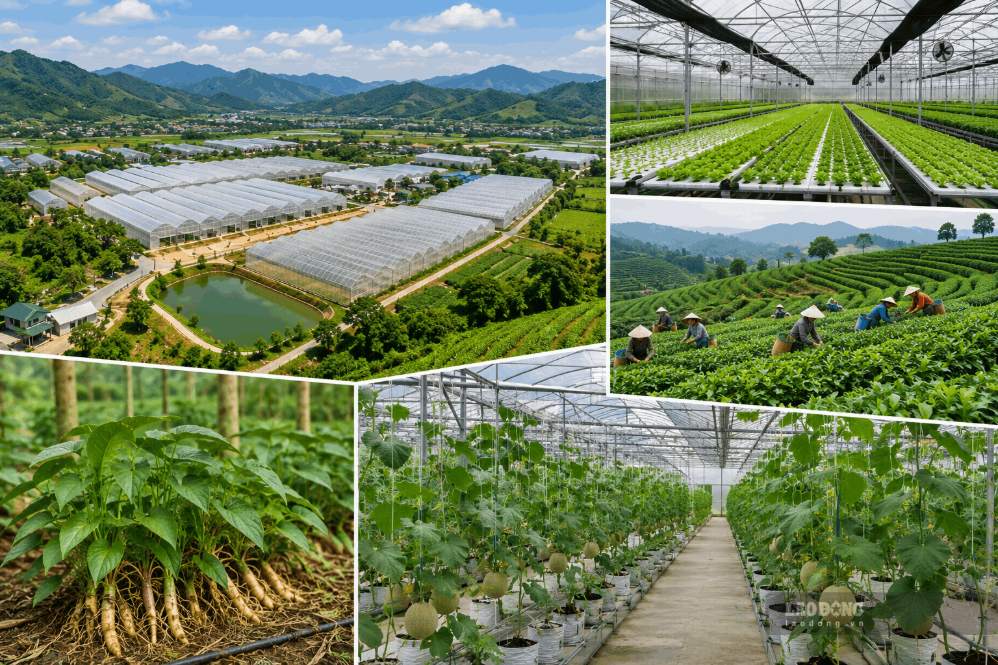
If previously the province's biggest advantage was its gateway position connecting Vietnam with the Southwest China region, now that advantage is expanded when the locality has more room to develop industry, logistics, urban areas, tourism and large-scale agriculture.

According to Mr. Tran Xuan Cuong - Director of the Lao Cai Provincial Investment, Trade and Tourism Promotion Center, the locality is converging many advantages to attract strategic investors, from international trade locations, increasingly synchronous infrastructure systems to multi-sectoral development potential.
Notably, Lao Cai no longer competes with simple incentives but aims to build a transparent, stable investment environment and accompany businesses throughout the project life cycle.
One of the biggest changes in Lao Cai's development thinking is that it no longer chases after the number of projects or total registered capital. Instead, the province prioritizes projects with financial capacity, modern technology, efficient use of resources, creating many jobs and making long-term contributions to the economy.
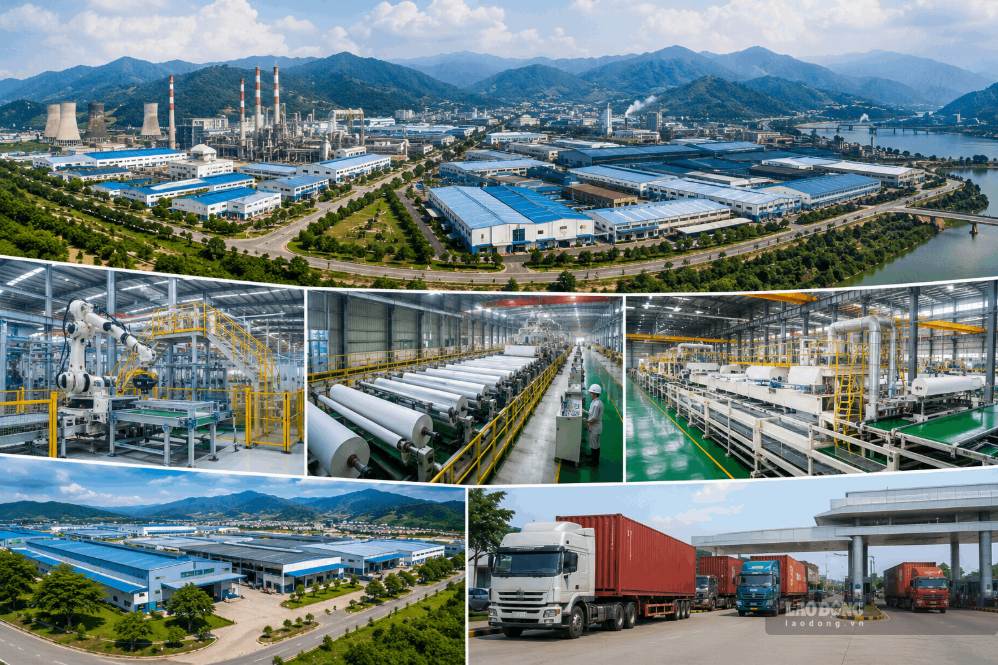
According to the Department of Finance, in the first 6 months of 2026, Lao Cai approved the investment policy for 13 new projects with a total registered capital of more than 5,606 billion VND.
In which, 11 projects belong to the industrial - construction sector with a total capital of more than 5,571 billion VND, accounting for almost the entire scale of new investment capital.
This shows that the development orientation of the processing and manufacturing industry and infrastructure continues to be the main driving force for the province's growth.
In June 2026 alone, the locality approved 3 more projects with a total capital of more than 2,099 billion VND.
In which, there is a social housing project of nearly 2,000 billion VND, contributing to meeting the needs of social infrastructure to serve the process of industrialization and urbanization.
Strongly screen slow-progress projects
In parallel with attracting new investment, Lao Cai is also determined to handle projects that are behind schedule or no longer capable of implementation.
In the first 6 months of the year, the province has recovered and terminated the operation of 7 projects, and at the same time continued to review 56 other projects for handling according to regulations.
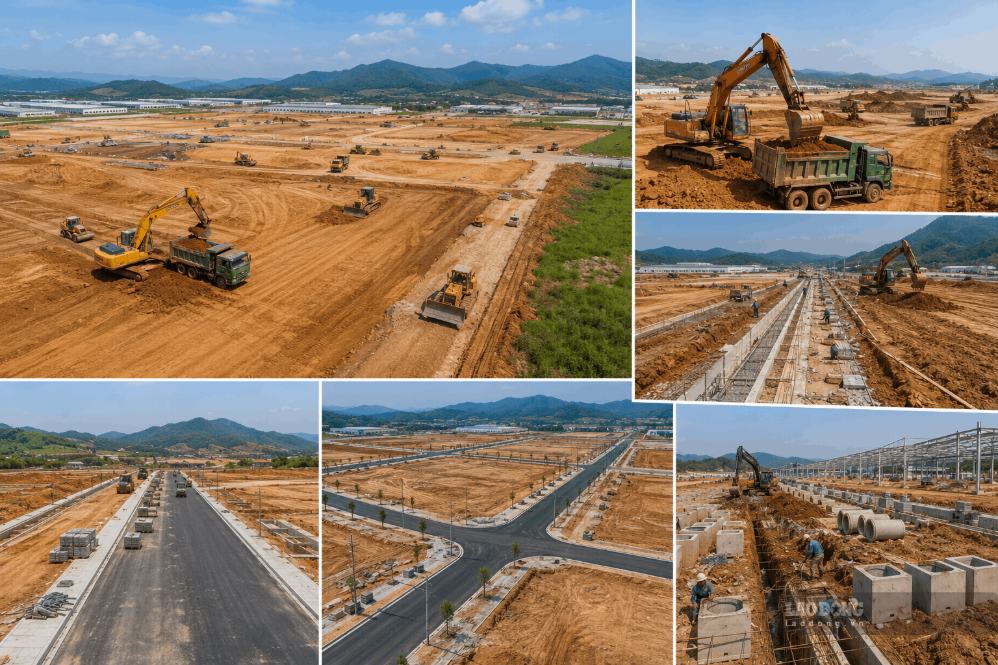
This is considered a step to liberate land resources, improve resource efficiency and create opportunities for truly capable investors.
Instead of evaluating success by the number of investment certificates issued, Lao Cai aims for more substantive indicators such as the number of projects put into operation, jobs created, added value and contribution to the budget.
For projects facing objective difficulties, the province continues to support removing obstacles. Conversely, projects that are no longer viable will be revoked according to regulations to avoid wasting resources.
In addition, Lao Cai has also shifted from management thinking to service thinking.
Instead of waiting for businesses to propose projects, the province has proactively built a list of 431 priority projects to attract investment in the 2026-2030 period, publicly announced planning information, prepared land funds and completed infrastructure before calling for investment.
Mr. Nguyen Tuan Anh - Chairman of Lao Cai Provincial People's Committee - emphasized that this approach helps businesses significantly reduce the time to find information, shorten the project preparation process and save investment costs.
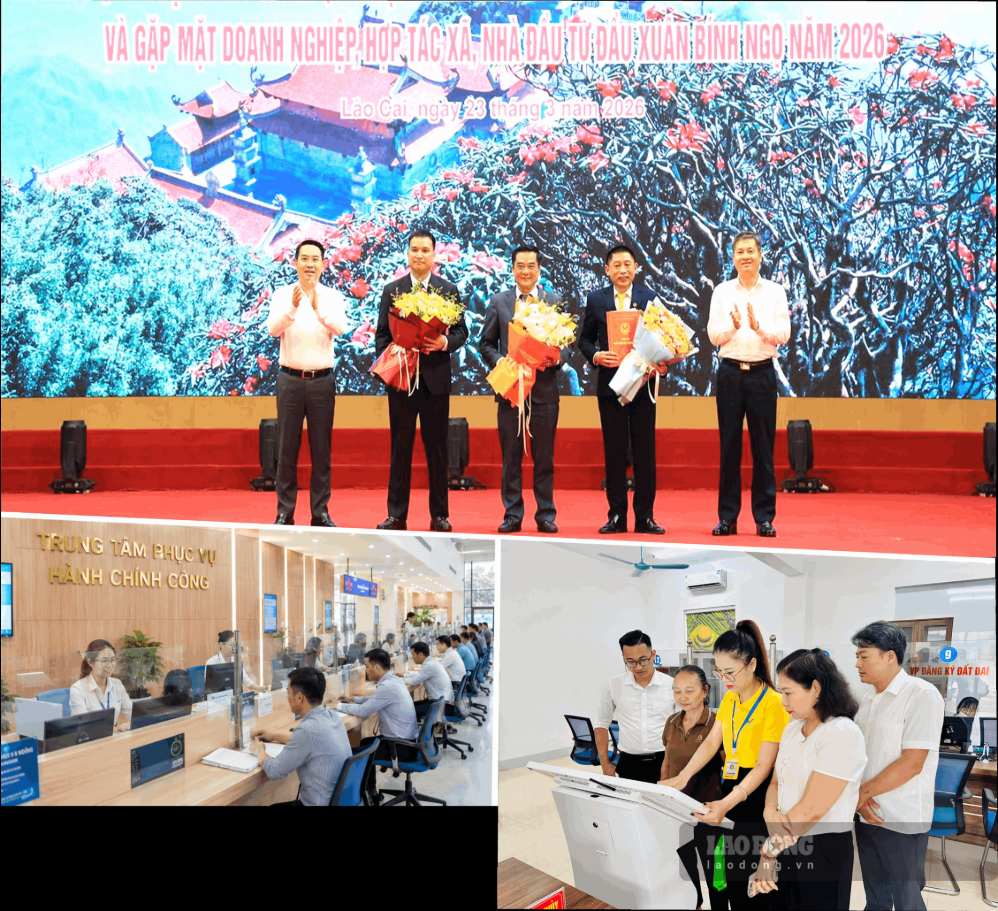
Along with that, the province continues to promote administrative reform, apply digital transformation in handling procedures, strengthen inter-sectoral coordination between departments and branches and maintain a regular dialogue mechanism with the business community.


