
At the seminar "Converting E10 gasoline: Solutions for success" organized by Lao Dong Newspaper, Mr. Do Van Tuan - Chairman of the Vietnam Biofuel Association said that the ethanol supply for the E10 gasoline program currently comes from two main sources, including domestic production and import.
According to Mr. Tuan, in the initial implementation phase, domestic supply only meets about 18% of demand, while imports account for about 82%. However, the proportion of domestic supply will gradually increase as factories increase production capacity.
Information we have obtained from key traders - units implementing the mixing and blending of E10 gasoline shows that the supply is basically guaranteed. However, it should be noted that ensuring supply is not only a matter of output but also related to the contract mechanism.
Some key traders still have a waiting mentality, signing ethanol purchase contracts quite late, thereby potentially risking a shortage of goods. However, up to now, no worrying issues have occurred," Mr. Tuan said.
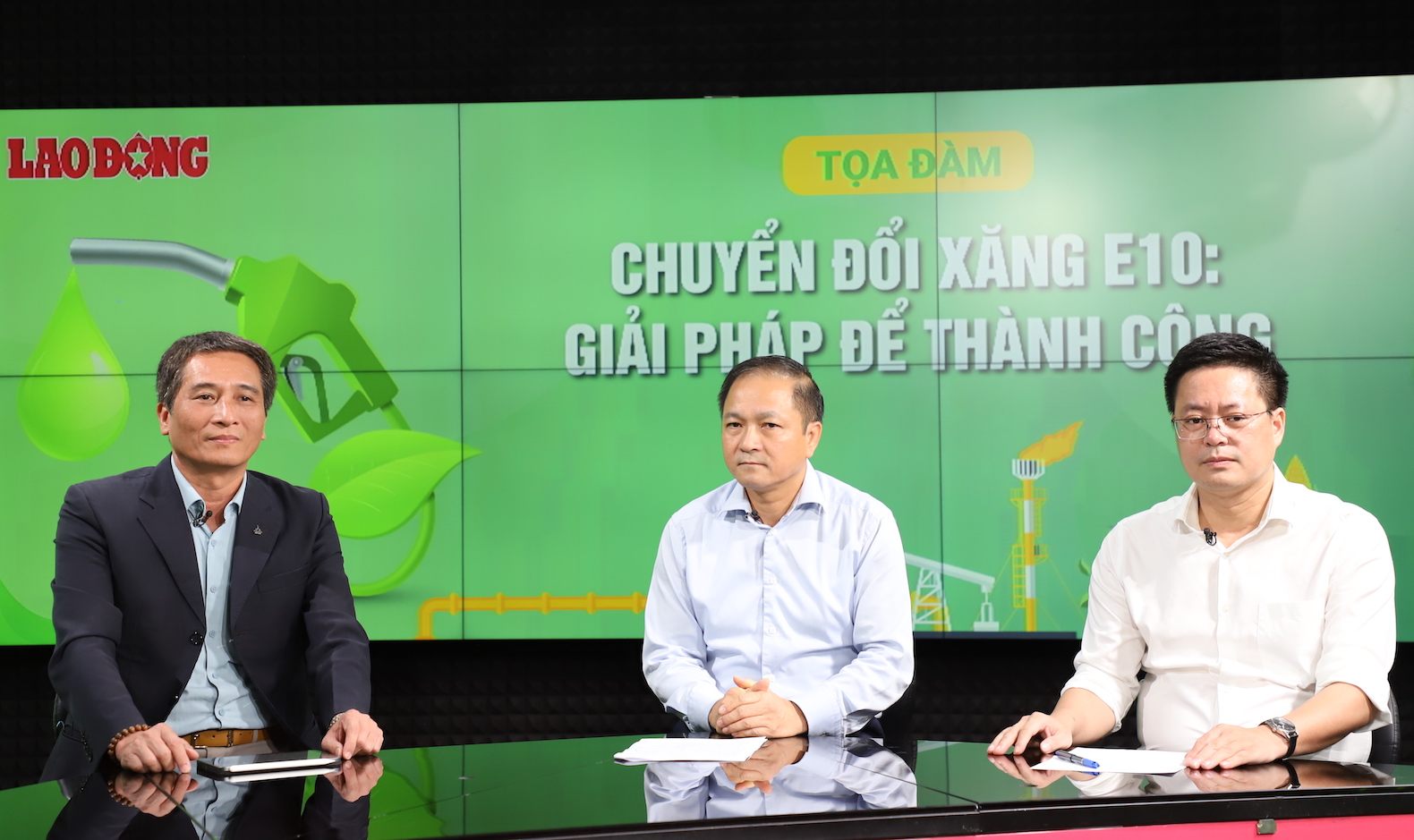
According to the Chairman of the Vietnam Biofuel Association, the Association has recommended that key enterprises proactively sign ethanol purchase contracts early, similar to the implementation method for traditional gasoline and oil purchase contracts.
Answering questions about the advantages and difficulties of businesses in the supply chain and solutions to ensure stable and long-term supply for E10 gasoline, Mr. Do Van Tuan said that the key factor is to gradually increase the proportion of ethanol produced domestically.
Currently, there are 4 ethanol plants operating nationwide with a total capacity of about 320,000 m3, meeting about 30% of market demand. In addition, a number of new projects are being built, expected to significantly increase capacity in the near future.
I assess that by the end of 2027, domestic ethanol supply can meet at least about 45% of total market demand. For the E10 gasoline program to develop sustainably, domestic supply self-sufficiency will play a decisive role. This is also the most basic factor ensuring the success of the program," Mr. Tuan emphasized.
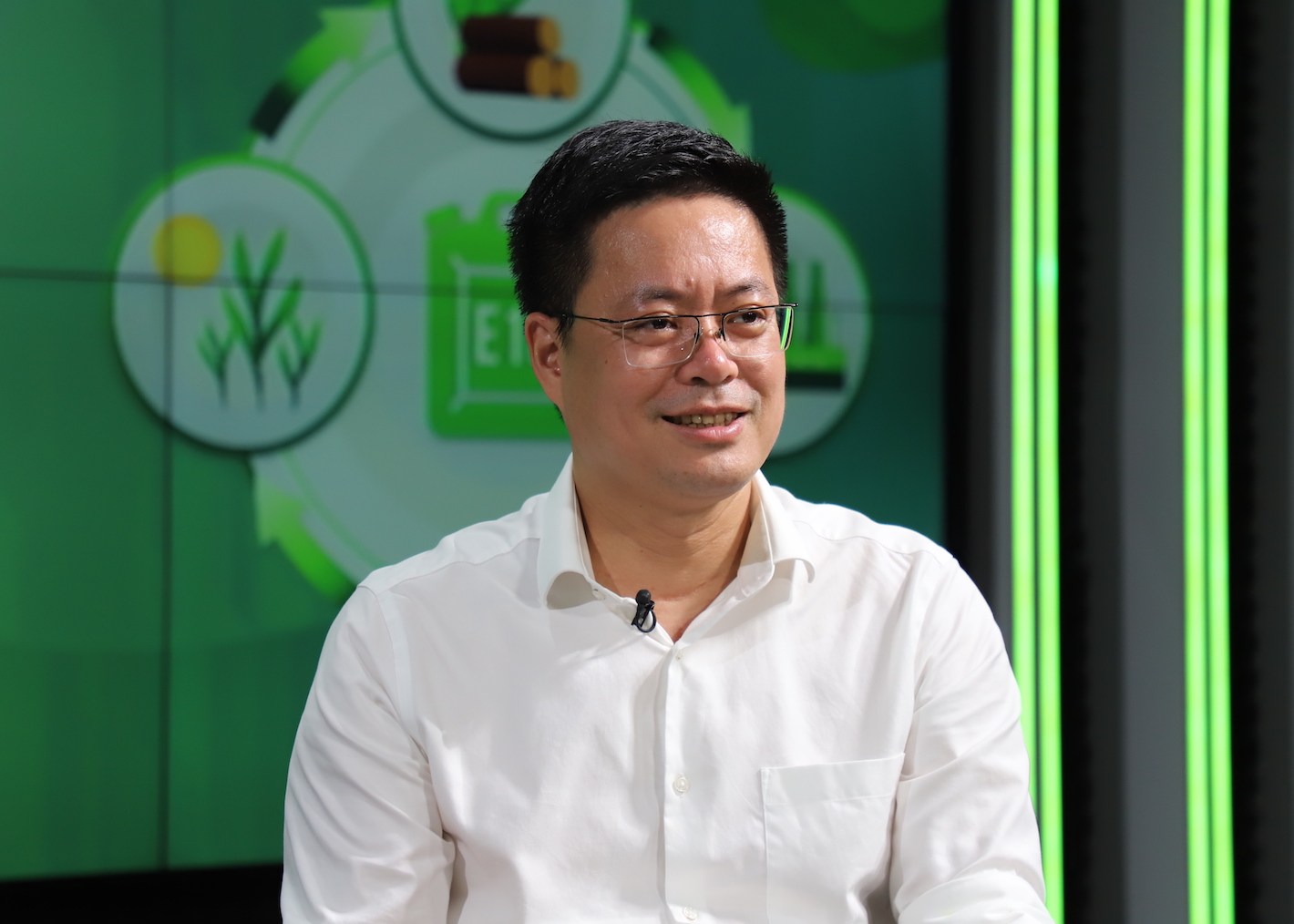
At the seminar, representatives of the Vietnam Automobile Manufacturers Association (VAMA) also answered concerns related to the compatibility of vehicles in circulation with E10 fuel.
According to Mr. Dao Cong Quyet - Head of VAMA Communication Sub-committee, car manufacturers always accompany the Government's clean fuel development roadmap.
Currently, most new car lines manufactured and distributed by VAMA members are designed to be compatible with E10 gasoline. Businesses have also deployed E10 usage instructions to dealer systems and customers.
For modern car lines circulating on the market, the materials forming the fuel system from the fuel tank, fuel pump, injection needle to the buffers have all been researched and selected according to alcohol resistance standards (ethanol resistant).
Therefore, corrosion or aging of rubber joints will not occur if users use E10 gasoline that meets national standard QCVN 01:2022/BKHCN.
Technically, most new car models are well compatible with E10 gasoline. However, for older car models, they are usually produced before 2005 or use old technology such as carburetors, ethanol has high cleaning and dehumidifying properties, so it can affect parts made from natural rubber or non-alcoholic plastic.
We recommend that owners of old vehicles should proactively bring their vehicles to genuine dealers for inspection, and be advised to replace details such as gaskets and fuel pipes if necessary before switching completely to using E10 gasoline," Mr. Quyet said.


