
In Can Tho city, many models of frog and eel farming by Khmer ethnic people are bringing practical economic efficiency. Notably, most people do not have formal training, mainly learning and sharing experiences in the production process. From small farming tanks around their houses, many households have gradually improved their income and risen out of poverty.
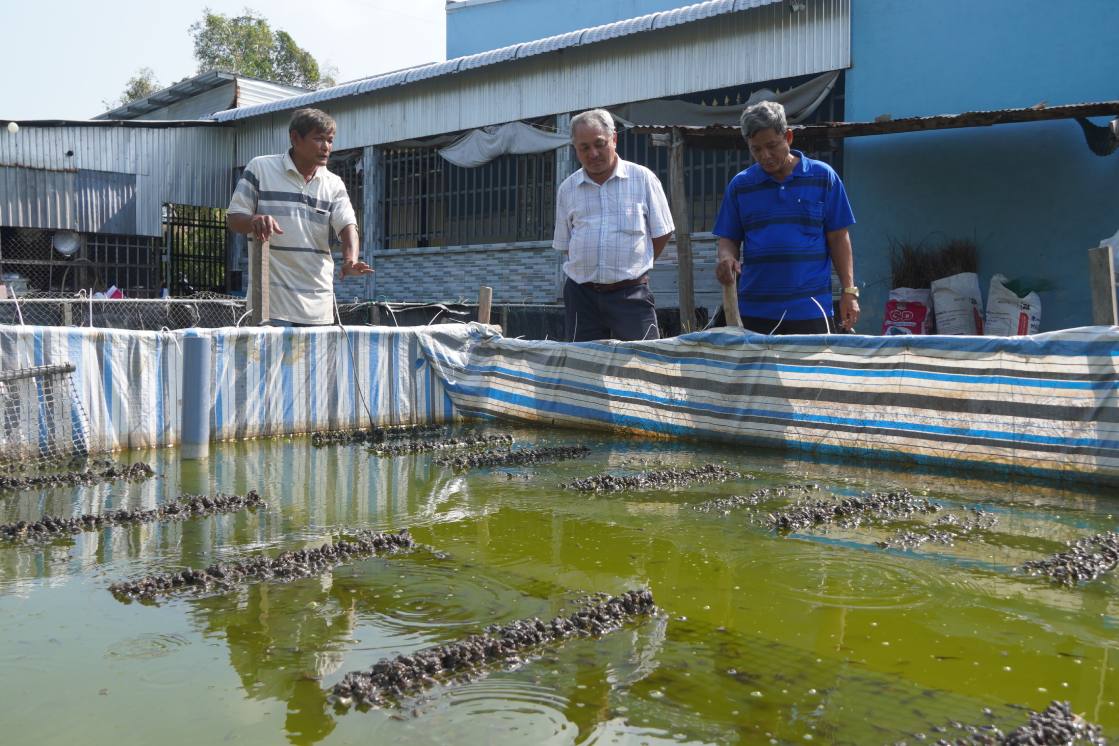
Attached to the frog farming model for more than 2 years, Mr. Mai Dung (Thoi Xuan hamlet, Co Do commune, Can Tho city) said that this is a business direction suitable for the family's conditions, bringing clear economic efficiency. According to Mr. Dung, frog farming techniques are not too complicated, the important thing is that farmers master the process and focus on the care stage.
Compared to rice cultivation, frog farming brings higher income, and saves time and labor," Mr. Dung shared.
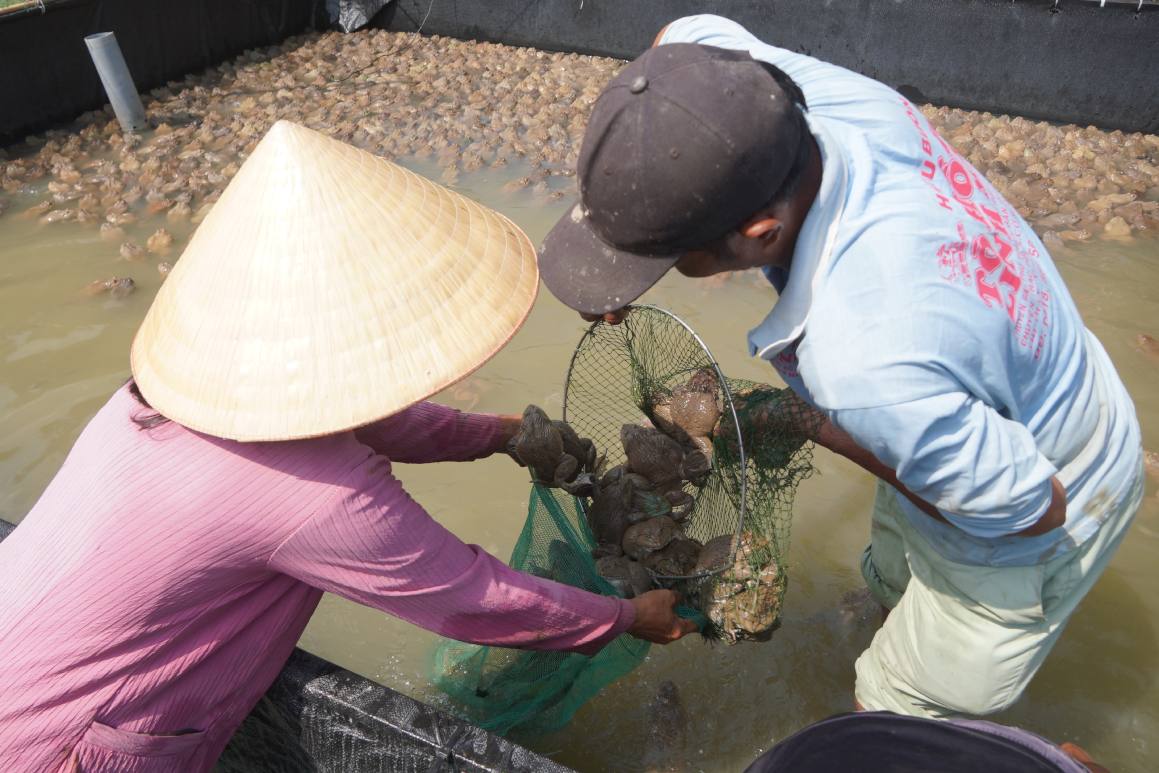
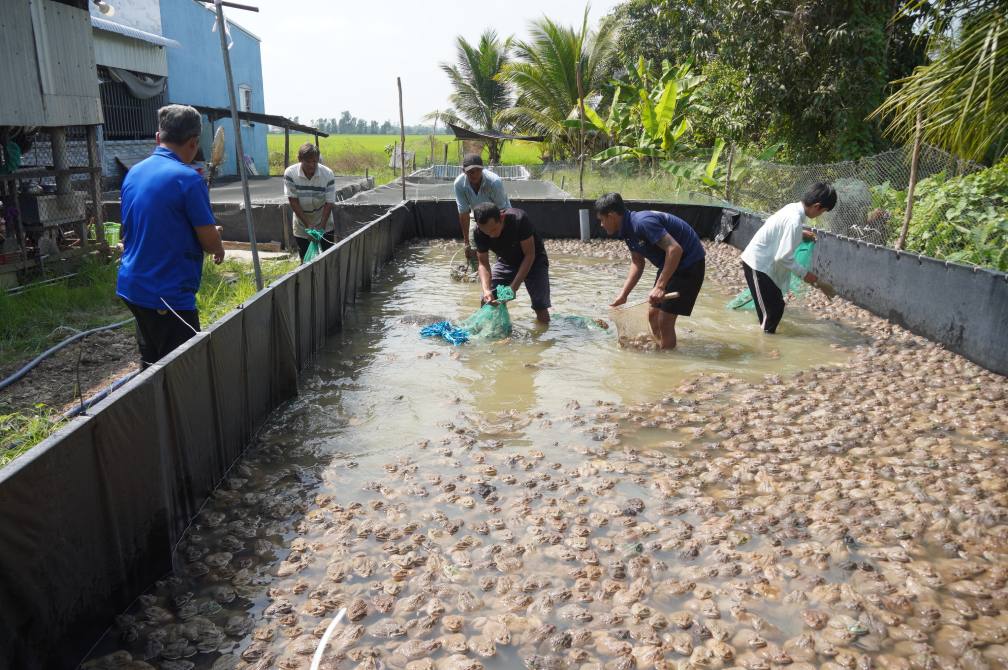
Learning from the experience of his nephew in the family, Mr. Dung boldly invested in building 4 frog farming tanks, including a small tank for incubating eggs. Each farming season lasts about 2 months before being able to sell. According to his experience, in the rainy season, frogs eat less, while in the sunny season, the amount of food increases, requiring farmers to closely monitor to adjust the appropriate care regime.
Thanks to this model, after more than 2 years, Mr. Dung's family has a stable income source, leaving a surplus to cover living expenses. In the coming time, he plans to continue to maintain and gradually expand the model to stabilize long-term income.
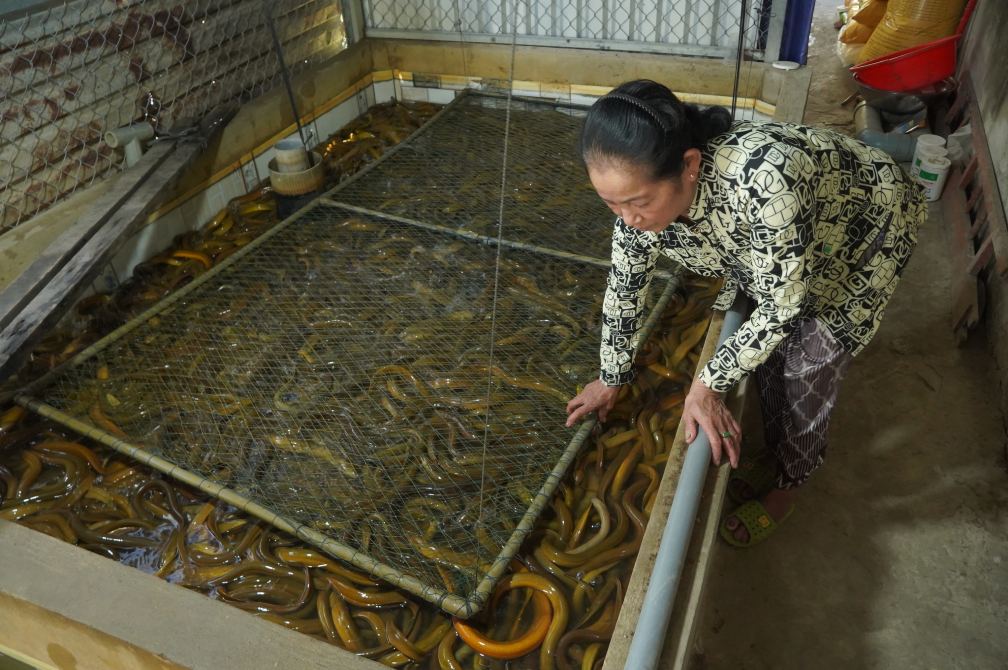
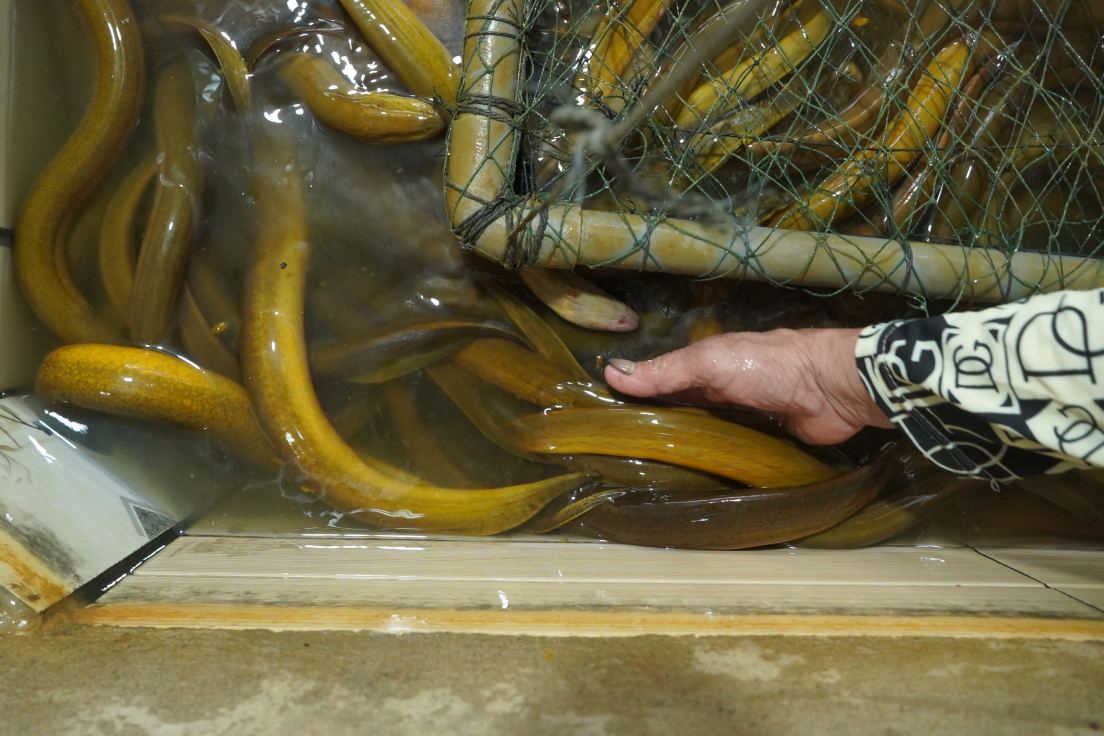
Also in Thoi Xuan hamlet, Ms. Danh Thi Kim Sang shared that she started raising eels from November 2024. The first crop with about 5,000 fish, after 8 months, was sold, earning more than 56 million VND; after deducting expenses, the profit reached about 18 million VND.
Initially, Ms. Sang only invested in building 2 eel farms. When she saw that the model was effective, she continued to expand and build 3 more farms, bringing the total number to 5 farms. According to Ms. Sang, eel farming is suitable for the family's conditions, does not require much area and can be raised in cycles.
If there is investment capital and reasonable farming organization, the eel farming model brings quite high profits. During the farming period, I can still work in the fields or work as a hired laborer to earn extra income every day," Ms. Sang said.
Mr. Lu Thanh Hien - Standing Vice Chairman of Co Do Commune People's Committee - said that in the past time, the locality has synchronously implemented the National Target Program for socio-economic development of ethnic minority areas in the period 2021-2030, focusing on phase I (2021-2025). In which, the commune focuses on concretizing policies to support Khmer people in the fields of health, education, and at the same time preserving and promoting national cultural identity.
Associated with the goal of economic development and sustainable poverty reduction, Co Do commune has implemented many livelihood models suitable to the actual conditions of ethnic minorities; and at the same time implemented projects to arrange housing for households without land, build houses of great solidarity, helping people gradually stabilize their lives.
In addition, through sub-projects, the locality has supported and created conditions for people to access preferential loans from the Vietnam Bank for Social Policies, thereby developing effective economic models, improving income and improving life.
According to the report on the results of the review of poor households and near-poor households in 2025, the whole area has 7,977 households with 34,438 people. The results of the review at the end of 2024 show that the locality still has 6 poor households, accounting for 0.08%; the number of near-poor households is 167 households, accounting for 2.09%. By the end of 2025, through the review, the number of poor households decreased to 3 households, accounting for 0.04%; the number of near-poor households is 133 households, equivalent to 1.67%.


