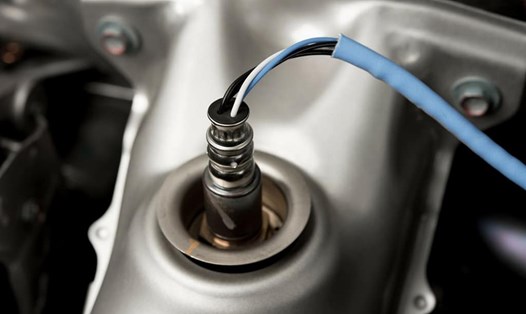
The oxygen sensor is one of the important parts but is rarely noticed by car users. This device plays a key role in controlling the amount of fuel put into the engine, contributing to optimizing fuel consumption and reducing emissions into the environment.
Unlike many other periodic maintenance details on the car, the oxygen sensor usually does not have a fixed replacement mark.
How do oxygen sensors work?
Also known as the O2 sensor, this part is usually installed on the exhaust system or exhaust column ( exhaust column). On older models, the car may only be equipped with one sensor. Meanwhile, many modern models have two to four sensors to monitor emissions more accurately.
The task of the oxygen sensor is to measure the amount of oxygen remaining in emissions after the fuel burning process. This data is sent to the engine control unit (ECU), helping the system determine whether the engine is being fueled more than needed, less than needed or at an appropriate level.
From the collected information, the ECU will adjust the amount of fuel injected into the combustion chamber to achieve the best operating performance. Thanks to that, the car saves more fuel, reduces emissions and maintains stable operating performance.
Signs that the oxygen sensor needs to be replaced
In many cases, the first sign of a faulty oxygen sensor is the engine check indicator (Check Engine) appearing on the instrument panel.
Although this warning light may be related to many different damages, the car's diagnostic system will save the corresponding fault codes. The car owner can use a fault code reader or diagnostic scanner to determine the exact cause.
If the oxygen sensor encounters problems, the system will usually record its own error code, even specifying which sensor is operating abnormally.
In addition to engine failure warning lights, the car may also show signs such as unstable engine running, engine abandonment, poor acceleration or abnormally increased fuel consumption.
Why is the oxygen sensor broken?
The most common cause is natural degradation over time. The oxygen sensor must work continuously in a very high temperature environment and is frequently exposed to exhaust fumes, so wear is inevitable.
In addition, engine technical problems can also reduce the lifespan of the sensor. If the engine burns oil due to abrasion of the piston rings or coolant water enters the combustion chamber due to damaged grille gaskets, these substances may stick to the sensor head.
The residue layer causes the sensor to send incorrect signals to the ECU. At that time, the fuel injection system will calculate inaccurately, reducing operating efficiency, increasing fuel consumption and generating more emissions.
Should I replace the oxygen sensor myself?
For some older models with easily accessible sensor positions, experienced users can replace them themselves.
However, on most modern cars, sensors are often located both in front and back of the catalytic converter, deep under the car's chassis. The approach requires lifting the car with specialized equipment to ensure safety.
Therefore, car owners should take their vehicles to reputable service workshops or garages for inspection and replacement when necessary.