How long do car brakes last?
The brake system is one of the most important parts on a car, directly determining control and safety when operating. However, there is no fixed lifespan applied to all brake parts.
The durability of the brake pads and related details depends on many factors, from driving style to vehicle type and technical condition of the system.
Driving style greatly affects brake life
One of the most powerful factors affecting the wear of brakes is the condition of the car's use.
When frequently moving in crowded urban areas with continuous stopping and running, the braking system has to work harder. Reducing speed from high speeds and then braking suddenly during traffic jams also increases pressure on the brake pads and brake discs.
Vehicles mainly operating in the city may need to replace the brake pads after about 24,000-48,000 km. Meanwhile, vehicles that regularly run on highways or expressways, where brakes are less used, can reach a brake pad lifespan of over 110,000 km.
In addition, the habit of keeping feet on the brake pedal when driving or frequently moving in hilly and steep areas also causes brakes to degrade faster. Continuous braking when going downhill creates a lot of heat, increasing the wear rate of friction details.
Electric and hybrid cars have advantages in brake life
Compared to cars using traditional internal combustion engines, hybrid and electric cars often have significantly longer braking life thanks to energy-regenerating braking technology.
This system takes advantage of the car's inertia to generate electricity to recharge the battery when the driver releases the accelerator or reduces speed. In many situations, the car can significantly reduce speed without using mechanical brake pads.
Thanks to that, brake pads and brake discs have to work less, helping to extend life and reduce maintenance costs.
Signs that brakes need to be checked
On most modern cars, brake pads are equipped with wear warning sensors. When the thickness of the brake pads drops below the safety threshold, the system can emit a whistle or display warning lights on the instrument panel.
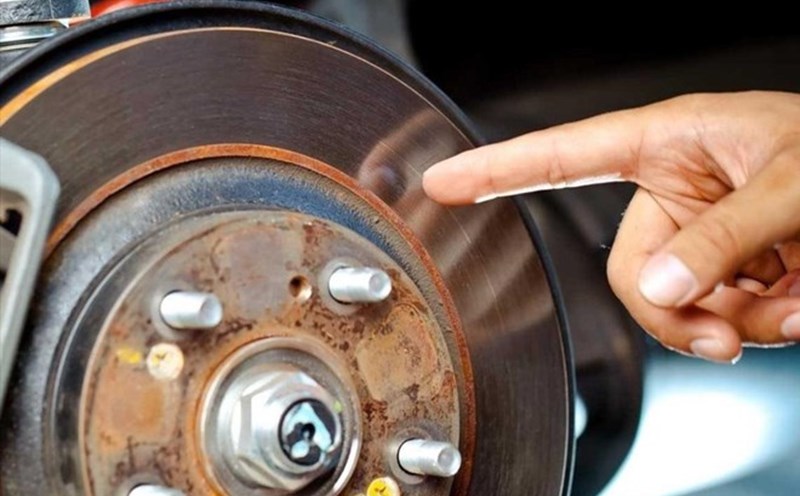
If you continue to use it when the brake pads are completely worn, the metal base of the brake pads will come into direct contact with the brake discs. This not only creates unpleasant noise but also increases the braking distance and makes the repair cost higher.
In addition, drivers should also pay attention to unusual signs such as the steering wheel shaking when braking, the brake pedal snapping, or the car tilting to one side when decelerating. This may be a sign of the brake disc being bent or the brake caliper operating unevenly.
How to extend the life of brakes
Car owners should maintain a safe distance from the car in front to have more time to reduce speed naturally instead of braking suddenly. Just slowing down slowly before pedaling the brakes can also significantly reduce the wear of the brake pads.
In addition, the brake system should be checked periodically each time you change the oil or turn the tire. Monitoring the thickness of the brake pads, the condition of the brake discs and the operation of the brake calipers helps detect early damage, ensure safety and extend the life of the entire brake system.