Ancient traces of the village of scholars under the ancient tiled bridge
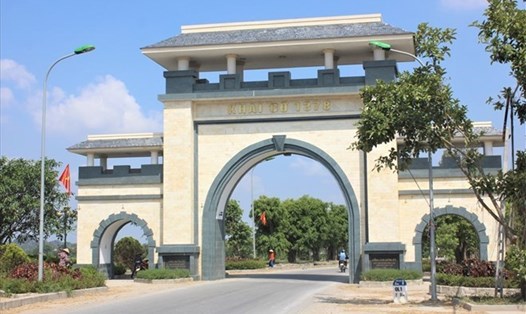
Binh Vong is located on a land called "quần sơn la bái" by the ancients. Legend has it that the famous feng shui master Ta Ao, when passing by, said: "Binh Vong is like a cloud, the earthly spirit will surely bring about outstanding people". Since the 16th century, this riverside village has been famous as a land of academics, with many people who passed high exams and became court officials such as: Tran Lu, Nguyen Huu Dang, Le Trong Thuong, Le Tong Quang, Nguyen Tru...
In "Dai Nam nhat thong chi", Binh Vong is mentioned as a large village, densely populated, bustling market, associated with the folk song: "Nam nhat cho Bang, Voi". The Nom name "Bang" of Binh Vong village is also explained by the people as a flat land, favorable for trade and living. From the early 15th century, Binh Vong people knew how to make lotus wine to offer to the King, recorded by Nguyen Trai in "Du dia chi".
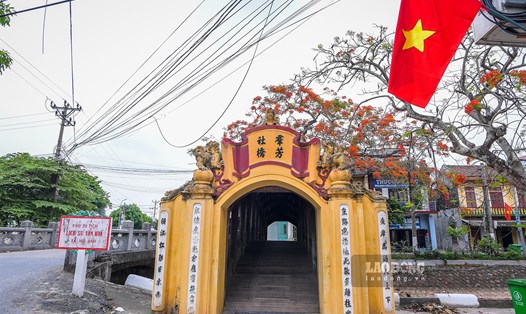
In the space of the ancient village, the Binh Vong communal house - Bao Quoc pagoda relic complex appears quietly by the large village pond. Attached to the communal house is an ancient tiled bridge spanning the water surface, forming a harmonious architectural whole, typical of the Northern countryside. Binh Vong tiled bridge is believed to date from the 17th - 18th centuries, similar to the time of construction of the village communal house.
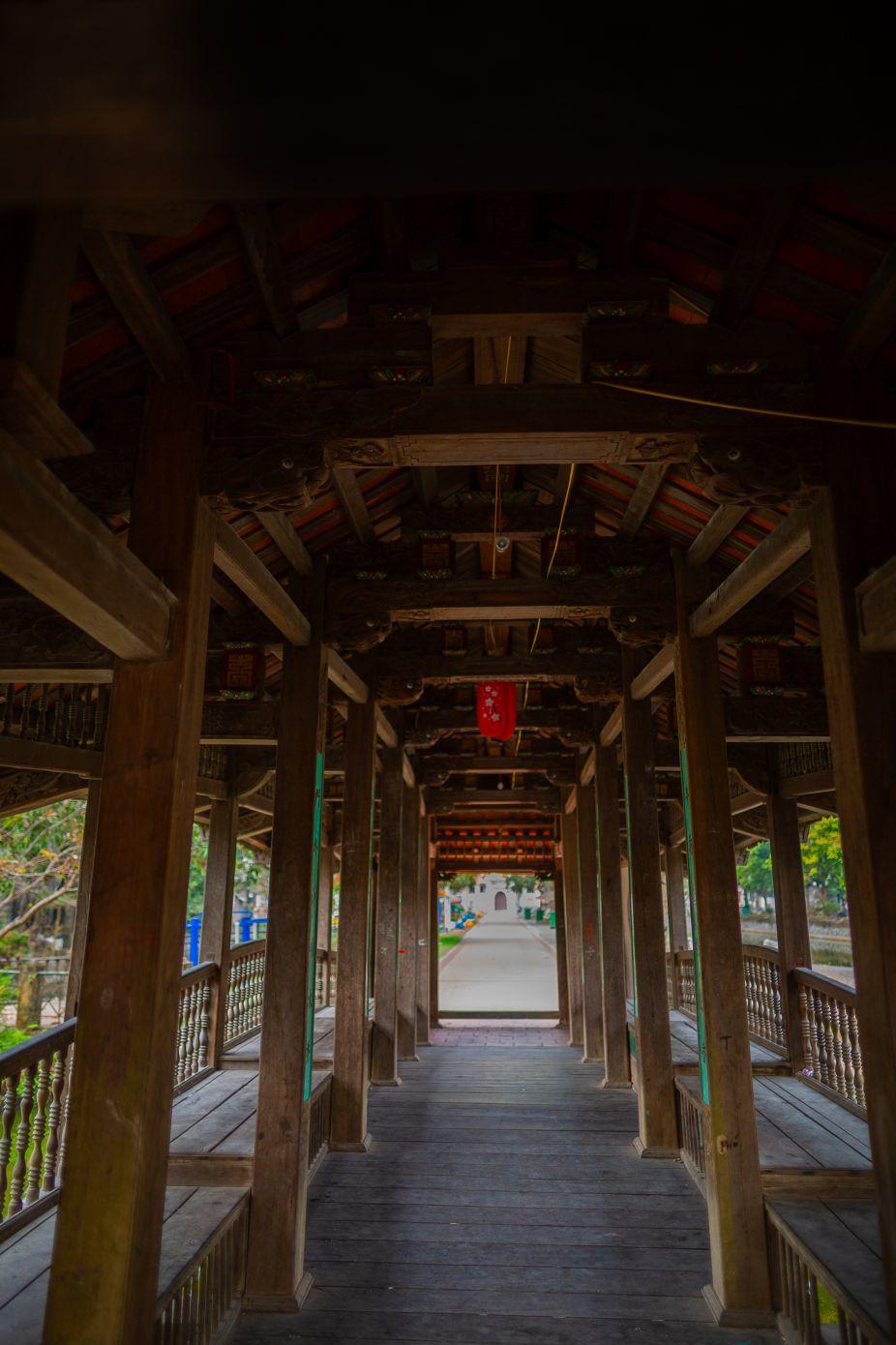
The bridge has the architecture of "thượng gia hạ kiều" (top is a house, bottom is a bridge) consisting of 7 compartments, including 5 compartments in the middle of the river and 2 compartments at both ends. The bridge body is made of ironwood, the truss system is connected in a chồng rường, chiêng style. The bridge roof is tiled with mũi hài tiles, 4 curved corners, creating a thanh thoát shape. On the armpits and porches are carved motifs of dragons, chrysanthemums, peach blossoms, and the words "Vạn" (Ten Thousand), which are both aesthetically valuable and express the religious and cultural thinking of ancient Vietnamese people.
On both sides of the bridge deck are wooden corridors with resting places, where people stop to admire the village pond and chat after busy harvest days. Hundreds of years old ancient muỗm trees provide shade all year round, creating a rare fresh and peaceful space in the suburbs of Hanoi.
Bridge of memories and community life in the countryside
After the war, the Binh Vong tiled bridge once collapsed, leaving only traces. People had to build a temporary cement bridge to serve travel. In 1992, the renovation was only temporary. By 2004, thanks to the community's joint efforts and the determination of the village government, the new tiled bridge was restored to its old shape, becoming an architectural and cultural highlight of the village to this day.
At the age of 89, Mr. Luong Viet Tien - an elderly person in Binh Vong village - still clearly remembers every change of the bridge and village communal house. For him, the tiled bridge is not only the central architectural work of the village but also a part of the memory associated with his whole life.
Speaking about the role of the village communal house, Mr. Tien slowly recounted: "The village communal house in the past was a place for villagers to play and gather, they could bring rice to dry, then hold meetings and discuss village affairs and national affairs". Before the cultural house as it is today, all common activities of the people of Binh Vong revolved around the communal house - pond - tiled bridge space.
During the war, Binh Vong village had to carry out land clearance resistance, many houses and works were destroyed to prevent the enemy from stationing troops. The village communal house was also no longer intact, leaving only 3 precious stone steles. These steles clearly record the ancient village conventions, from punishing theft to prohibiting those in power from abusing power and appropriating people's property. Professor Tran Quoc Vuong once came to Binh Vong, translated the meaning and recorded the entire content of the steles, considering them a particularly valuable document about the history of Vietnamese villages.
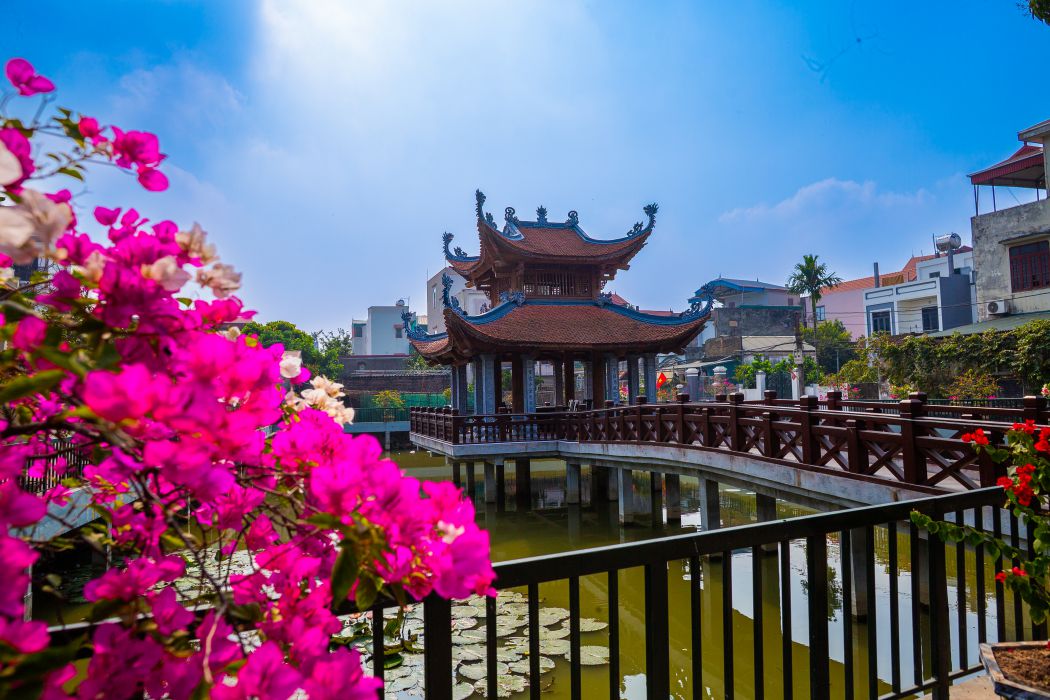
Today, although the administrative role is no longer the same as before, the village communal house - village pond - Binh Vong tiled bridge area is still a familiar living space. In the afternoon, the elderly go out to play chess and chat; children play in the sports area and playground around the village communal house. The new water communal house was built from the contributions of the people, adding a cultural activity point for the community.
Although many years have passed, Hanoi's inner city has changed a lot, but Binh Vong village still retains almost the original state of many ancient architectural works. Village customs, customs, and ancient festivals are still there, making me extremely proud," Mr. Tien expressed.
That pride is also the motivation for the people here to jointly preserve the tiled bridge - a symbol of the village of academics, of the community lifestyle associated through generations.
Amidst the flow of urbanization, Binh Vong tiled bridge still silently reflects its shadow into the village pond, as a lasting bridge between the past and the present. The bridge reminds of the cultural values of Northern Vietnamese villages that need to be cherished and preserved for a long time.