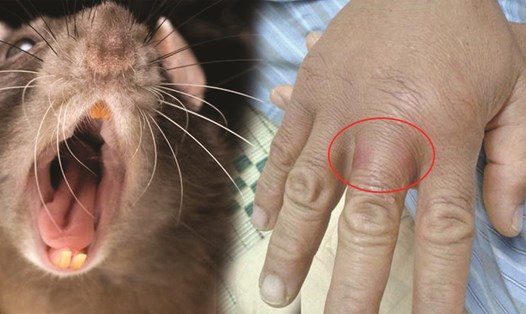
The Department of Blood Transfusion Diseases, Central Military Hospital 108 recently received and treated male patient Q.A (16 years old) suffering from fever from rat bites, a systemic infection that can cause severe complications, even death if not detected in time.
According to the medical record, the patient was admitted to the hospital in a state of prolonged high fever of 39–40°C, severe fatigue, sometimes chills. Test results showed a clear infection with leukemia and high CRP. Clinical examination recorded swelling, heat, and redness in the right wrist area.
Preliminary examination showed that about 4 weeks before being admitted to the hospital, the patient had been bitten by a mouse in his right wrist. Because the bite was small and did not bleed much, the family only laid it briefly at home and did not go for examination. After that, the bite area appeared slightly swollen but not too painful, so it was still ignored.
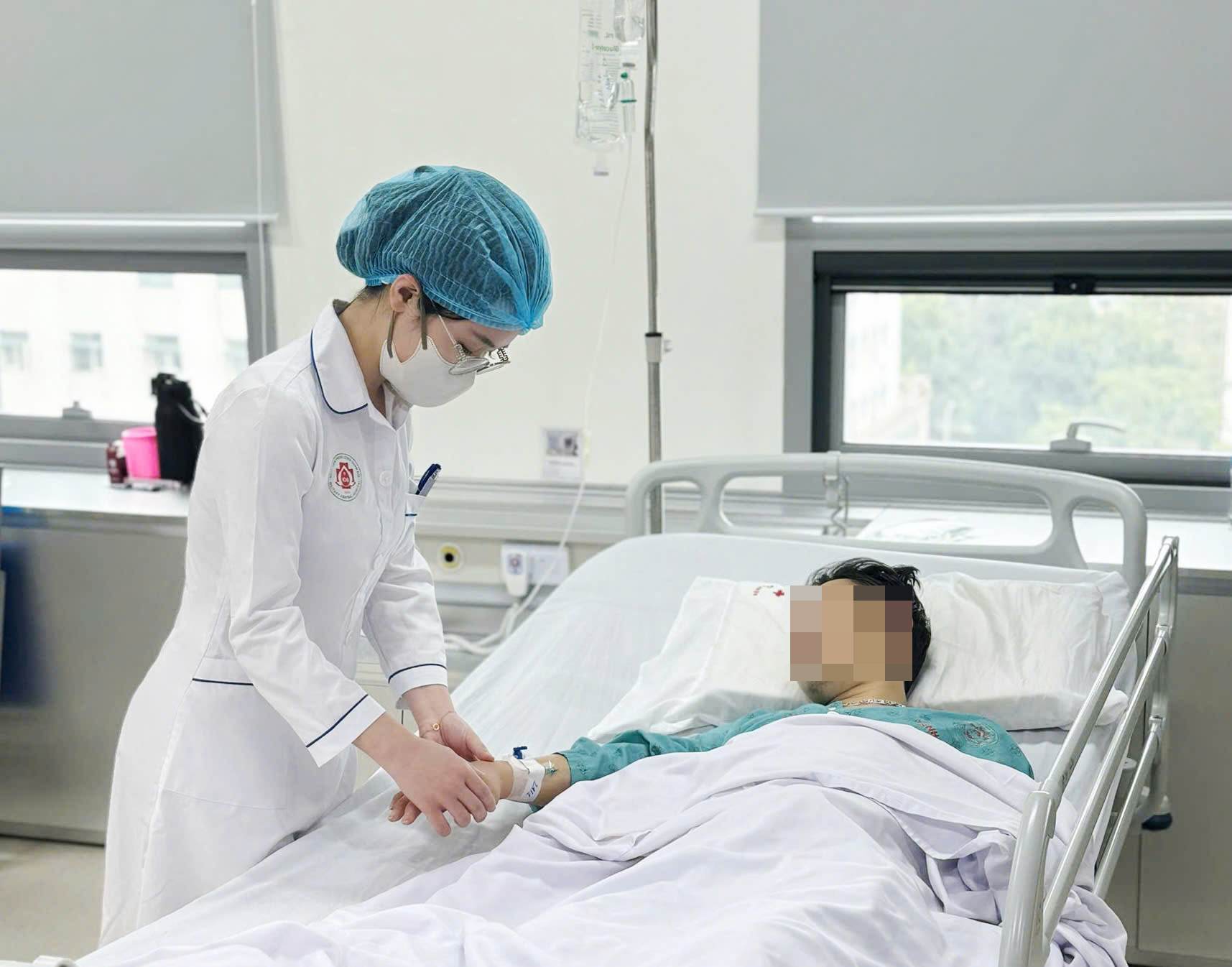
Based on clinical symptoms and epidemiological factors, doctors diagnosed the patient with Sodoku - a common form of rat-bite fever in Asia. The patient was treated with a specific antibiotic cephalosporin combined with Doxycycline. After 2 days of treatment, the patient had a fever cut, his health improved significantly and he was discharged from the hospital after 7 days.
Rats are hosts carrying many dangerous pathogens that can be transmitted to humans. Rat-bite fever is a rare systemic infection caused by Streptobacillus moniliformis or Spirillum minus bacteria. The disease can be transmitted through bite marks, scratches or contact with urine, rat saliva.
Notably, in many cases, when the disease starts, the rat bite has healed, no longer obvious red inflammation. This easily makes patients and medical staff miss out on epidemiological factors, leading to late diagnosis and increased risk of complications.
Dr. Trinh Van Son, Head of the Department of Blood Transfusion Diseases, Central Military Hospital 108 warned: If not treated promptly, fever from rat bites can cause severe complications such as septic shock, multiple organ failure, endocarditis, meningitis, with a mortality rate of about 13%. However, the disease responds very well to antibiotics if detected early.
It's a bit of a bit of a bit of a bit of a bit of a bit.