
Slow purchasing power
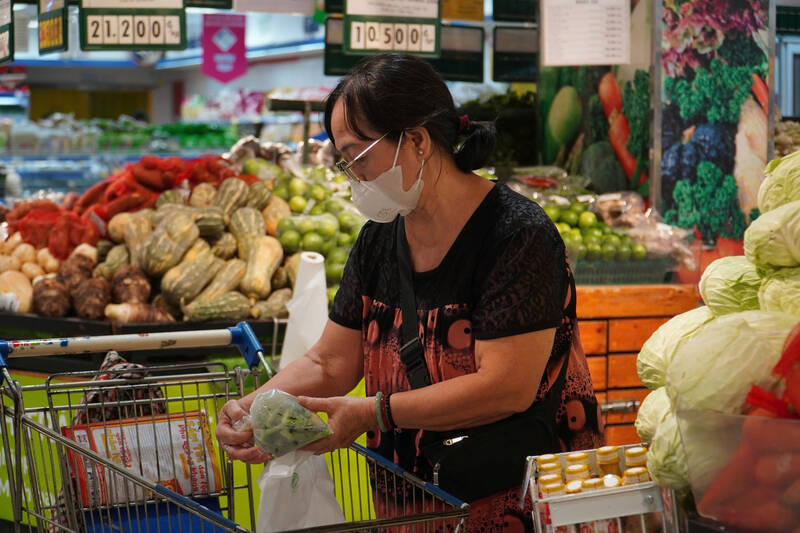
Recorded at many traditional markets and supermarkets in Ho Chi Minh City, although the number of customers is stable, the value of shopping baskets tends to decrease. Consumers prioritize essential items such as rice, fresh food, basic household appliances, while non-essential products are significantly reduced.
Ms. Huynh Kim Lan (resident of Vuon Lai ward) said that recently, her family has been more proactive in saving spending, only buying really necessary things. "The prices of many items have increased slightly, so I have to rebalance and limit buying clothes or unnecessary items" - Ms. Lan said.
Meanwhile, Mr. Le Hoai Van's family (Cho Quan ward) chooses to shop at the supermarket thanks to reasonable prices and frequent promotions.
Stores and some essential foods have all increased in price by only about 2,000-5,000 VND, so daily spending is increased. At this time, shopping must be carefully considered, prioritizing discounted items to save costs," Mr. Van shared.
According to Mr. Van, shopping at supermarkets not only helps better control the budget but also ensures the quality of goods. "Compared to buying retail outside, many items in supermarkets have more stable prices, so my family is also assured when choosing" - Mr. Van added.
Businesses face double pressure to "brace themselves" to maintain prices
Ms. Nguyen Thi Thu Hien - Communications Director of Central Retail Vietnam Group - acknowledged that consumers are tending to return to tightening spending like during the epidemic, mainly focusing on essential goods. This makes it difficult for businesses to maintain growth.
According to Ms. Hien, requiring suppliers not to increase prices is not feasible when they are under double impact from raw material prices and logistics. Especially, with imported goods such as fruits and frozen foods, the long shipping time increases costs and losses, pushing prices up significantly when they reach distributors.
Not only imports, domestic supply accounts for about 95% of the commodity structure and is also under great pressure as many suppliers propose increasing input prices by 10-20%. "We are constantly negotiating to reduce the increase, trying to maintain the best possible prices, but it cannot last forever" - Ms. Hien said.
Mr. Nguyen Minh Tam - Purchasing Director of WinCommerce General Trading Service Joint Stock Company - said that about 70-80% of suppliers in the system have requested to adjust selling prices. With more than 4,700 points of sale nationwide, all price fluctuations directly affect the consumption behavior of millions of customers.
According to Mr. Tam, businesses are having to consider very carefully, actively negotiate to limit the increase. However, the "price-fixing" room is increasingly narrowing as some suppliers have temporarily stopped delivering to wait for price adjustments. If this trend lasts, retail prices may increase by 5-20% depending on the commodity group.
Consumer data also shows a clear change: people prioritize spending on food, while non-essential items such as fashion and entertainment sharply decreased.
Faced with these fluctuations, Mr. Nguyen Nguyen Phuong - Deputy Director of Ho Chi Minh City Department of Industry and Trade - said that the city is focusing on ensuring supply, especially for essential goods. The worrying thing is not the shortage of goods but the risk of widespread price increases in the context of weak purchasing power.
Leaders of the Ho Chi Minh City Department of Industry and Trade proposed that businesses continue to coordinate in the market stabilization program, extend the price retention period, and prioritize cooperation with suppliers capable of maintaining stable prices to reduce costs. Management agencies will support businesses through supply and demand connections, trade promotion and communication to reduce costs and create room for price stabilization.


