
Core driving force to help elevate forecasting capacity
In the context of complex climate change, applying modern technology to hydrometeorological work is no longer an option but has become an urgent requirement.
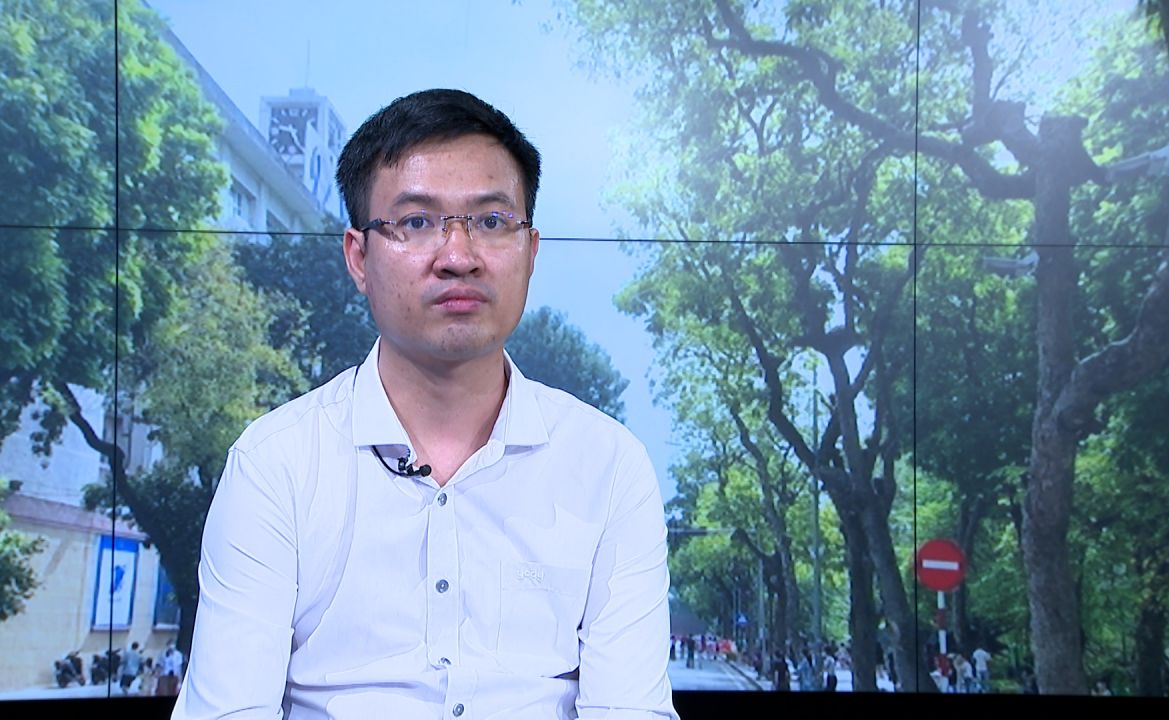
Assessing the role of new technology, Dr. Truong Ba Kien - Deputy Director of the Center for Meteorology and Climate Research, Institute of Meteorology, Hydrology, Environment and Marine Science - said that digital transformation is becoming a core driving force to help improve weather forecasting and warning capabilities in Vietnam.
Outstanding opportunities include artificial intelligence (AI) and machine learning (ML) that allow automation of the giant weather - climate data analysis process, helping to improve accuracy and reduce forecasting time.
Agreeing with this view, Dr. Hoang Phuc Lam - Deputy Director of the National Center for Hydro-Meteorological Forecasting, Department of Hydro-Meteorological Forecasting - said that digital transformation is opening up many breakthrough opportunities for forecasting and early warning of hydro-meteorological disasters, from data collection to analysis, simulation and information transmission to the community.
The Hydrometeorological sector has been and is implementing many synchronous solutions to make the most of digital technology achievements.
According to Dr. Kien, the exploitation of big data not only helps detect potential dangerous trends but also supports the development of detailed warning maps to the commune and village levels. In particular, the application of digital twin technology in simulating storms, flash floods, tidal surges... plays an important role in serving real-time disaster drills and operations.
He further emphasized: "Digital communication systems (Zalo, mobile applications, social networks) help deliver warning information to millions of people in a short time, in the right location and in accordance with the local language. Real-time analysis supports direction and operation at the National Center and local Disaster Prevention and Control Steering Committees, especially in emergency situations such as unusual heavy rain or rapid storms. Digital transformation is not just a trend but a strategic solution to help Vietnam's Meteorological sector shorten the gap with the world and proactively respond to natural disasters more effectively.
Modernizing monitoring, applying AI to forecast dangerous phenomena
Regarding the key orientation of the Meteorological sector, according to Dr. Hoang Phuc Lam, first of all, it is to modernize the automatic monitoring network in key disaster areas, combining modern equipment such as weather radar, satellite cloud imagery to update real-time data.
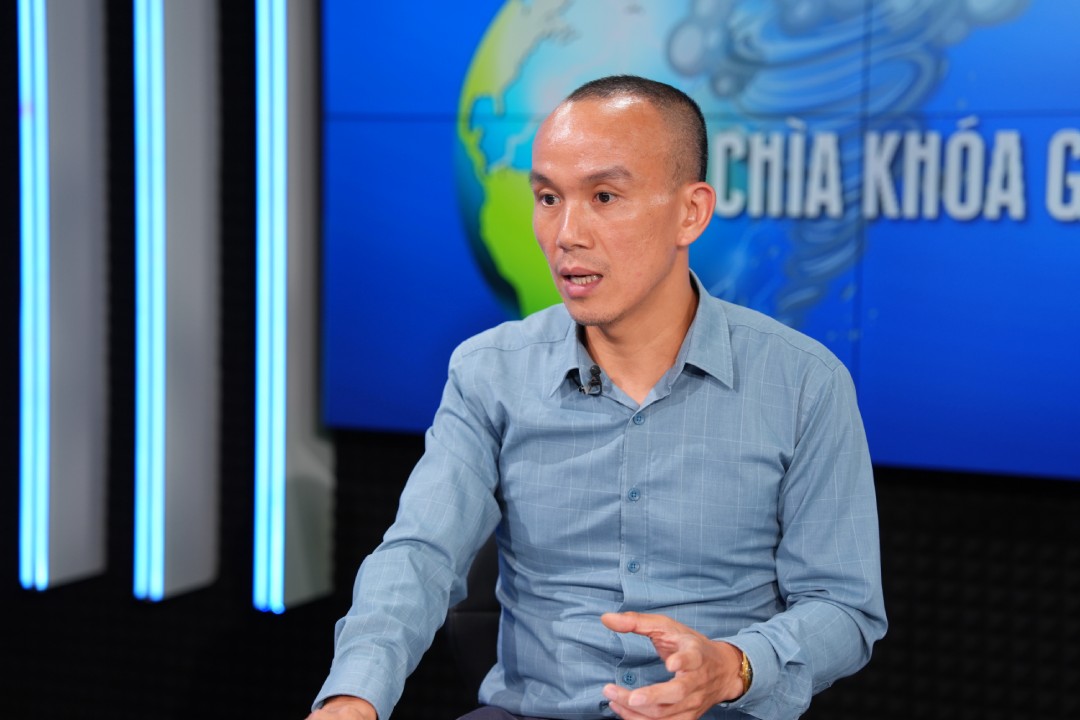
Regarding forecasting capabilities, Dr. Lam shared: "High-resolution numerical forecasting models, integrating data assimilation, are being developed and continuously improved, especially in forecasting storms, heavy rain, flash floods, landslides. AI and big data analysis help quickly process large volumes of monitoring data, thereby significantly improving the detail and response time of warning bulletins.
Besides technical factors, digital communication is also particularly focused on. The Department of Meteorology and Hydrology is promoting the digitization of information transmission processes through mobile applications, social networks and information portals.
Warning information does not only stop at technical bulletins, but is interpreted in an intuitive, easy-to-understand, easy-to-act way, associated with specific recommendations according to each level of risk and each group of affected subjects.
Dr. Lam also noted the importance of international cooperation to access modern technology models, while focusing on training high-quality human resources in AI and automation.


