Talking to Lao Dong Newspaper, Mr. Le Van Huong - Director of Phong Dien Nature Reserve (Hue) - said that this year marks the 30th anniversary since a pair of white-crowned pheasants (Lophura edwardsi) were rediscovered back in the wild in the Khe Lau area, Phong Dien Nature Reserve in 1996. However, despite many search efforts, this species has not yet been recorded in the wild.
According to Mr. Huong, the information that 20 white-crowned pheasant individuals are on their way from Germany back to Vietnam for raising, breeding and towards releasing in the wild is a very encouraging sign. In particular, Phong Dien is a place that history has recorded the appearance of this species, so the conservation area is expected to be one of the priority locations for the releasing program in the near future.
This is an important step forward, recognizing the continuous efforts of Phong Dien Nature Reserve in preparing a safe environment to restore the population of white-crowned pheasant - an extremely endangered species, which may have become extinct in the wild and is endemic to Vietnam," Mr. Huong shared.
20 white-crowned pheasant individuals when returning to Vietnam will go through all legal procedures such as CITES licensing, quarantine and will be taken to different centers that meet the conditions for captive breeding. The goal is to help this species gradually adapt to the climate and environment conditions in Vietnam.
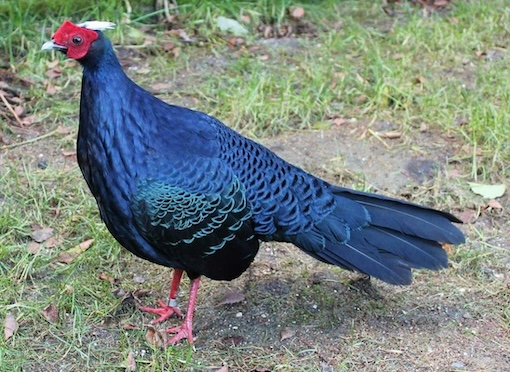
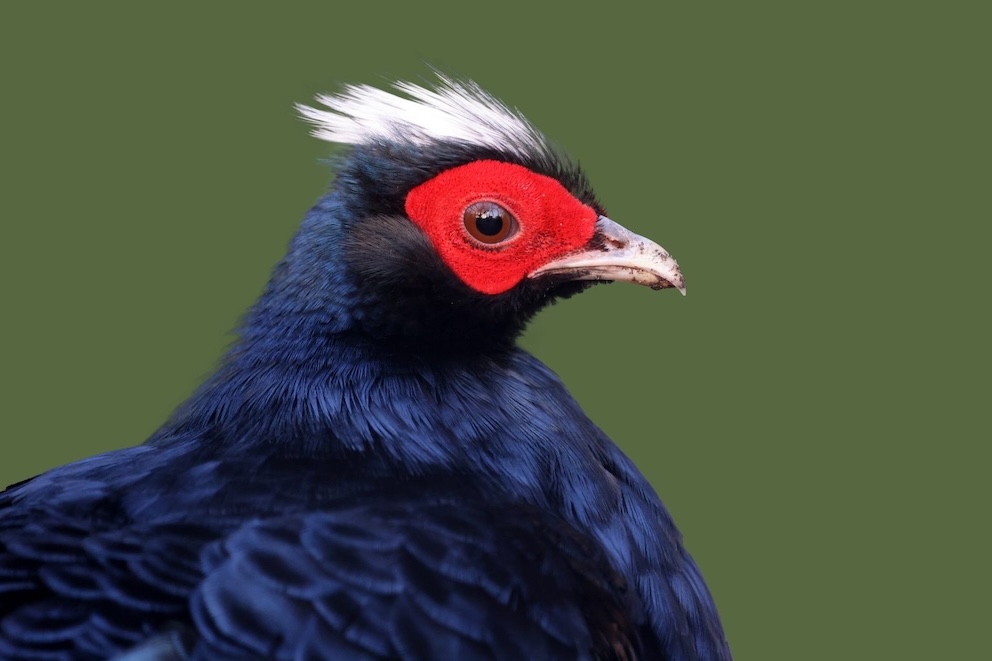
The individuals will be cared for and monitored by domestic and foreign experts. After the adaptive farming stage, experts will focus on breeding. The generation born afterwards will be trained in semi-wild environments, gradually practicing natural habits such as self-feeding, recognizing natural enemies, hiding from enemies and self-mating.
According to Mr. Huong, the final roadmap is to re-release white-crowned pheasants back to nature, with a monitoring chip to continue monitoring the development of the population. It is expected that this process can be implemented in the next 2-3 years.
At Phong Dien Nature Reserve, re-release environmental preparation has been carried out in the past 2 years, with the cooperation of the Vietnam Nature Conservation Center. Initial activities include habitat surveys in the planned re-release area, habitat cleaning by establishing patrol teams, and regularly removing animal traps.
In addition, the sanctuary also sets up photo traps to record bird species belonging to the chicken family, and at the same time monitor the appearance of natural enemies, predators that can affect white-crested pheasants when released.
The immediate goal, according to Mr. Huong, is to keep individuals in captivity to adapt to tropical weather conditions, because previously white-crested pheasants had been brought to Europe and adapted to temperate zones. After the breeding stage, the new generation will be brought to the planned re-release area to continue raising in semi-wild conditions.
After consulting with domestic and foreign experts, Phong Dien Nature Reserve will build barns and semi-wild areas simulated like in nature. The final step is to re-release white-crested pheasants back to nature with tracking chips attached," Mr. Huong said.
In an exchange with Lao Dong Newspaper, the Forestry and Forest Protection Department also said that these white-crowned pheasant individuals have been granted an export CITES license by the German CITES management authority and an import CITES license by the Vietnamese CITES management authority according to CITES regulations and domestic law.