
On the morning of December 19, the Vietnam General Confederation of Agriculture and Rural Development held a workshop on "Green credit for businesses and farmers in 2025", aiming to promote the trend of green production, circular agriculture, reduce emissions and increase access to preferential capital for businesses and farmers.
At the workshop, Mr. Nguyen Tri Ngoc, Permanent Vice President of the Vietnam Association of Agriculture and Rural Development, said that the capital demand of enterprises, cooperatives and farming households for environmentally friendly agricultural production models, energy saving and emission reduction is increasingly large. However, information about the green credit policy of the banking system is not yet widely disseminated, leading to many potential beneficiaries not being able to access it.
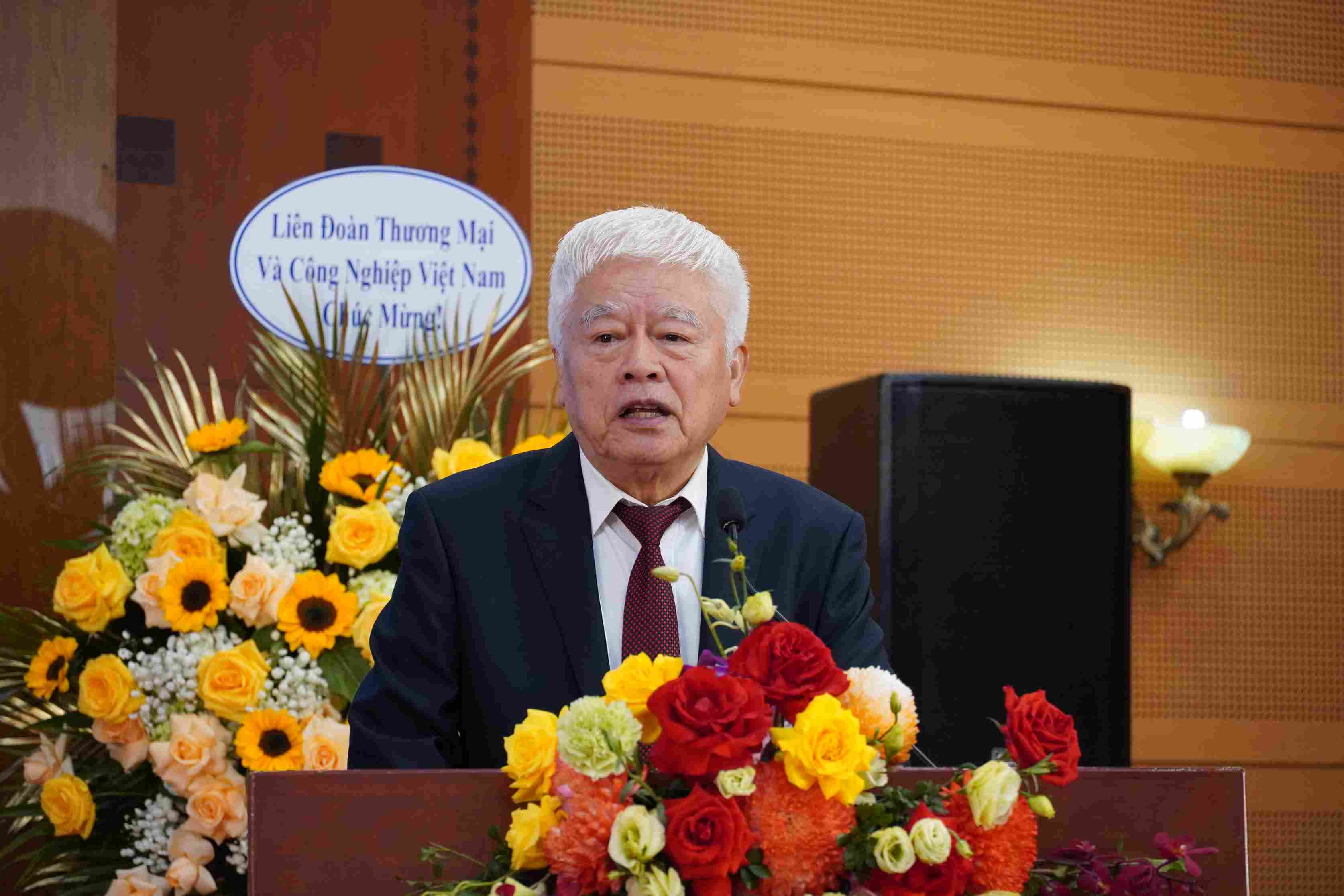
According to the report of the General Assembly, up to now, outstanding green credit accounts for only about 4.5% of the total outstanding debt of the economy. The average growth rate from 2017 to present has reached over 21%/year, but is still not commensurate with the target of the National Strategy on Green Growth for the period 2021-2030, with a vision to 2050.
The development and implementation of a green credit communication project for businesses and farmers is very necessary, in order to increase policy dissemination, encourage businesses and farmers to access green capital, and connect the three parties: banks - businesses - farmers in the green agricultural value chain, Mr. Ngoc emphasized.
After 60 days of implementing the communication project "Green credit for businesses and farmers", communication work on green credit has been organized synchronously and methodically, contributing to the dissemination of the policies and guidelines of the Party, State and green credit programs of the banking system to many businesses, cooperatives and farmers.
Thereby, the project contributes to narrowing the information gap, raising awareness of green production, ecological agriculture and circular agriculture. This is a positive signal, creating a basis for the agricultural sector to continue to proactively invest and improve efficiency in the process of promoting green credit.
Speaking at the workshop, Mr. Pham Xuan Hoe, Former Deputy Director of the State Bank Strategy Institute, said that currently, policies to attract private capital flows into green agriculture are still modest, and preferential mechanisms are not strong enough to attract businesses to invest in this field, especially green agriculture and clean agriculture.
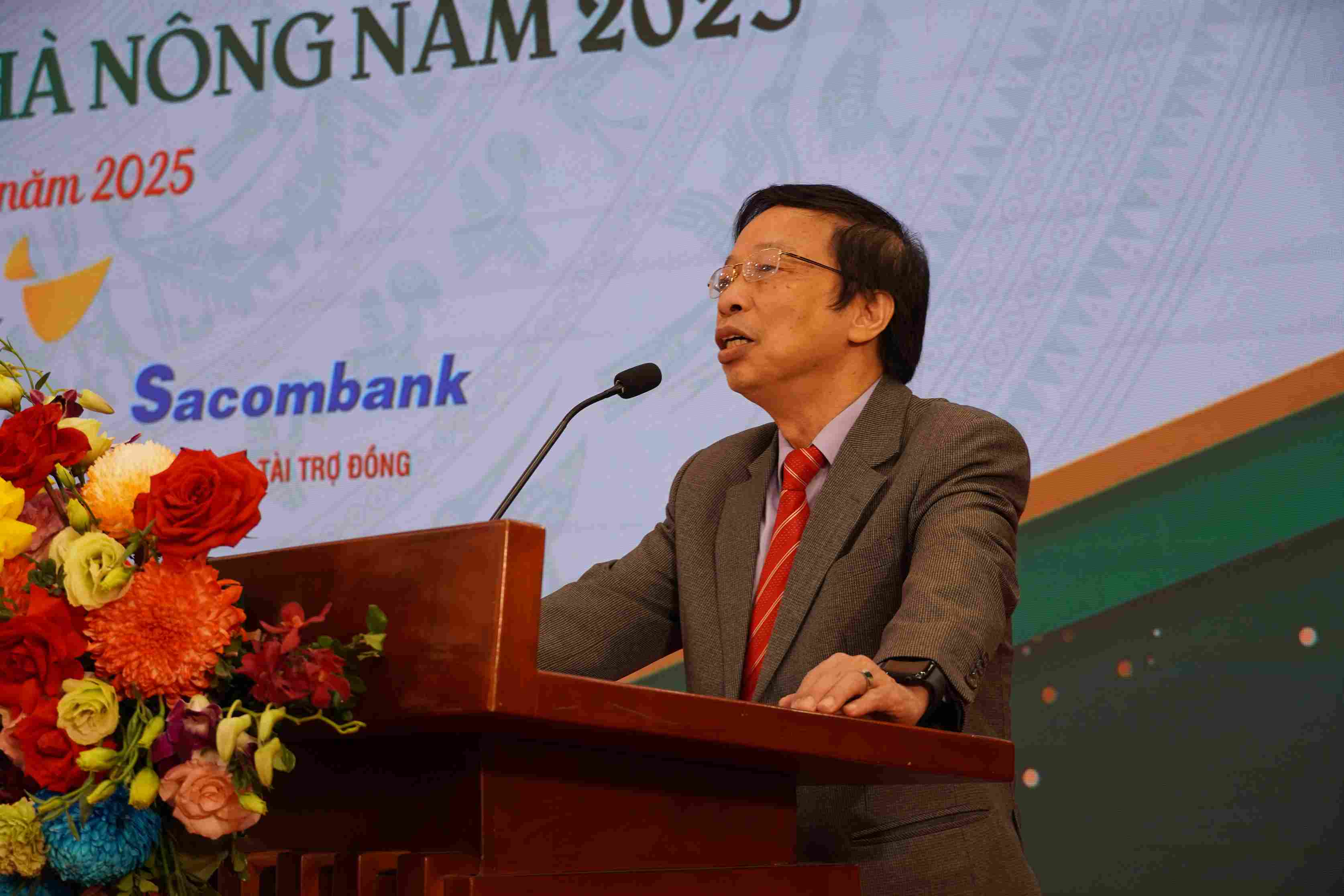
Therefore, Mr. Hoe recommended that the State should soon complete a synchronous policy system, effectively use fiscal and monetary tools to share costs with businesses, creating motivation to attract investment in green agriculture. Thereby forming sustainable value chains and promoting green, clean and efficient agricultural development.
At the same time, businesses also need to proactively build a strategy to greening production and business activities, innovate technology towards green technology and enhance social responsibility. This not only creates a competitive advantage for businesses but also contributes to the implementation of sustainable development goals and environmental protection.


