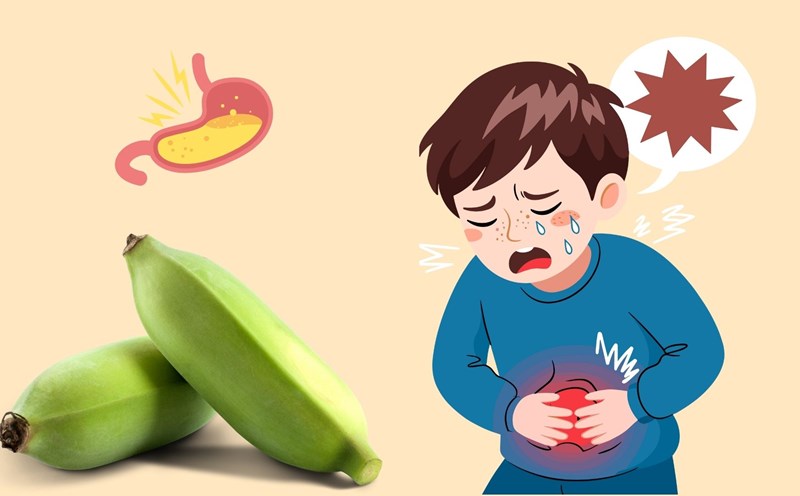
Summer with hot and humid weather creates favorable conditions for bacteria and viruses to develop in food and drinking water. This makes children susceptible to digestive diseases, especially diarrhea.
According to Dr. Gopal Agrawal - Director of Pediatrics and Neonatal Department at Cloudnine Hospital Group (India), eating contaminated food or drinking water, poor hand hygiene, improper food storage or contact with polluted water sources can all increase the risk of intestinal infections in children. Common agents include rotavirus, norovirus, E. coli bacteria and Salmonella.
When a child has diarrhea, the most important thing is to prevent dehydration. Parents should give the child electrolyte rehydration solution (ORS) according to appropriate age instructions. If the child vomits, they should be given in small but frequent sips.
Breastfed or formula-fed babies still need to continue to be fed as usual. For older children, you can add filtered water, coconut water or thin soup to help replenish water. Meanwhile, carbonated soft drinks, energy drinks or canned fruit juices should be limited because they can make diarrhea worse.
Experts also recommend not letting children fast when they have diarrhea. Soft, easily digestible foods such as porridge, rice, bananas or yogurt can help provide energy and nutrients necessary for the recovery process.
In addition to rehydrating and maintaining a proper diet, children need adequate rest to support the recovery process. Parents should also pay attention to personal hygiene, especially washing hands with soap after changing diapers for children and before preparing food to limit the risk of spreading pathogens.
Although most cases of diarrhea can improve after a few days, some warning signs need to be noted. Parents should contact a doctor if the child shows signs of dehydration such as dry mouth, sunken eyes, no tears when crying or urinating less than normal. In addition, children with continuous vomiting, high fever, severe abdominal pain, and blood or mucus in the stool also need to be examined early.
Taking children to medical facilities is also recommended when diarrhea lasts for more than 48-72 hours or children show signs of lethargy, abnormal drowsiness, and a lot of fatigue. For children under 6 months old, the risk of dehydration progresses faster, so it is necessary to be assessed early by a doctor as soon as symptoms appear.
To reduce the risk of summer diarrhea, parents should encourage children to wash their hands regularly, use clean water sources, eat freshly processed and properly preserved foods. Vegetables and fruits also need to be washed thoroughly before use.
Proper care and close monitoring of abnormal signs will help children recover faster, while limiting dangerous complications caused by dehydration.