E-commerce is booming, food trading activities on Facebook, TikTok, e-commerce platforms and online platforms have become popular.
This business model brings many benefits to society, but the downside is also increasingly revealed.
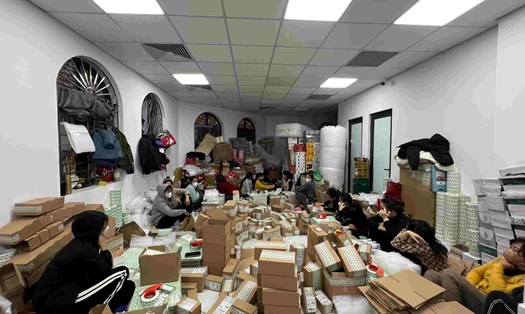
Recently, functional forces have continuously discovered cases of production and trading of counterfeit goods, fake food, and food of unknown origin on a large scale.
Many sales accounts attract thousands of orders, but then disappear. Consumers discover that the product has problems or want to complain and demand compensation, but do not know who to look for.
That is the "dark area" that fraudulent business subjects are taking advantage of.
Therefore, the requirement to verify the identity of food sellers in the online environment is to protect legitimate businesses and consumers.
A serious salesperson will have no reason to refuse to verify information. Conversely, those who want to hide their identities, sell counterfeit goods, fake goods, and poor quality goods are the ones who are concerned about this regulation.
Reality shows that, besides counterfeit goods and poor quality goods, there is also a situation of intellectual property rights infringement, false advertising, fraud to appropriate property and many other acts of infringing on consumer rights.
In particular, online platforms are having a great impact on young people, the elderly, and people in remote and isolated areas, who may not have much experience in identifying risks in cyberspace.
Many cases have lost money and affected health because of believing in unverified information.
Meanwhile, scams are becoming increasingly sophisticated. Artificial intelligence technology, livestream sales, personalized advertising or closed groups are being used to approach and lure consumers.
Therefore, along with verifying the identity of the seller, it is necessary to clearly stipulate the responsibilities of platforms in controlling products, removing warned violating goods, storing transaction data and coordinating with functional agencies when requested for investigation and handling.
A healthy online market must ensure basic principles, sellers must be responsible for their goods and buyers must know who they are dealing with.
The proposal of the Ministry of Public Security is therefore not only aimed at strengthening state management but also contributing to building a transparent, safe and reliable e-commerce environment.
When the seller's identity is verified, counterfeit goods will hardly have a place to live, fraudulent acts will be difficult to hide and consumer rights will be better protected.