Thực phẩm có mùi lạ khác thường
Đối với các thực phẩm bảo quản trong tủ lạnh trong thời gian dài, khi mở tủ ra và ngửi mùi lạ, hãy kiểm tra xem nó xuất phát từ đâu và kịp thời loại bỏ. Đây là một trong những dấu hiệu dễ nhận thấy nhất khi thực phẩm bị hư hỏng.
Theo Bộ Nông nghiệp Mỹ (USDA), những mùi này đến từ các hợp chất hữu cơ dễ bay hơi do vi khuẩn tiết ra khi chúng "ăn" thức ăn thừa mà bạn cất trữ trong tủ lạnh lâu ngày. Ngay cả những thực phẩm được bảo quản ở ngoài mà có mùi lạ thì tức là cũng bị hỏng. Do đó, không nên sử dụng vì có ảnh hưởng cho sức khỏe.
Thực phẩm bị chua
Thực phẩm bị chua thường xuất hiện khi vi khuẩn hoặc nấm gây ra quá trình lên men, chuyển đổi đường thành axit. Điều này không chỉ làm thay đổi hương vị và mùi của thực phẩm, mà còn tạo ra môi trường lý tưởng cho sự phát triển của vi khuẩn gây bệnh. Khi thực phẩm trở nên chua, nó có thể dẫn đến sự giảm chất lượng và an toàn thực phẩm.
Vị chua do hư hỏng có thể làm tăng nguy cơ mắc bệnh về đường huyết, đặc biệt đối với những người mắc bệnh tiểu đường. Ngoài ra, việc tiêu thụ thực phẩm bị chua có thể gây nôn mửa, tiêu chảy và các vấn đề khác về hệ tiêu hóa.
Thực phẩm xuất hiện chất nhầy
Một nghiên cứu trên tạp chí Food Control của Mỹ nhấn mạnh rằng, chất nhờn trên thực phẩm chính là dấu hiệu rõ ràng phản ánh sự phát triển của vi khuẩn. Khi quan sát thấy trên bề mặt thực phẩm xuất hiện các chất nhầy nhụa thì chứng tỏ chúng đã bị hỏng nặng, chẳng hạn các loại rau củ, nếu trở nên mềm quá mức, chảy chất nhầy thì cũng nên bỏ đi.
Kết cấu của thực phẩm trở nên kỳ lạ
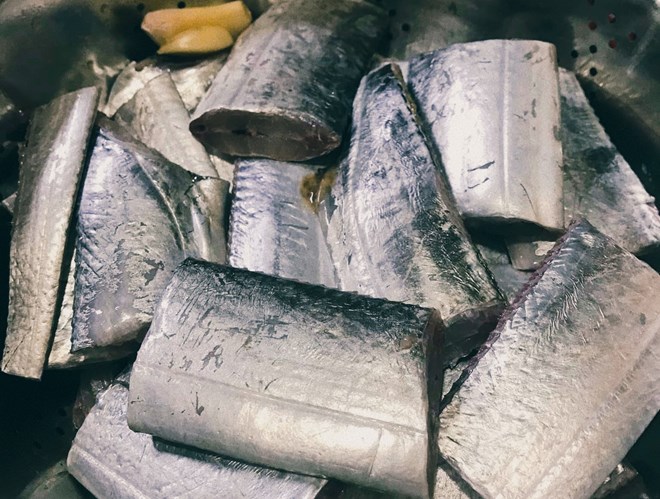
Thịt, cá tươi khi đã được rã đông không được dính, nhão hoặc có mùi hôi. Nếu thấy thịt có các hiện tượng trên, hãy vứt bỏ ngay để đảm bảo an toàn cho sức khỏe của bạn.
Theo một nghiên cứu trên Tạp chí Khoa học Thực phẩm của Mỹ, những thay đổi về kết cấu trong thực phẩm là do sự tác động của hơi ẩm. Từ đó tác động đến chất lượng, mùi vị và còn tiềm ẩn cực nhiều vi khuẩn gây hại.
Thực phẩm bị mốc
Hầu như tất cả các loại nấm mốc đều gây hại cho sức khỏe. Vậy nên, nếu thấy nấm mốc xuất hiện trên thực phẩm, đặc biệt là bánh mì hay trái cây… thì nhất định phải vứt đi ngay. Theo Tổ chức Y tế Thế giới (WHO) cảnh báo rằng, một số loại nấm mốc sản sinh ra độc tố, thậm chí là gây ung thư.
Ngoài ra, việc ăn thực phẩm chứa nấm mốc có thể gây ra các vấn đề về hệ tiêu hóa. Một số loại nấm mốc thường có các chất gây kích ứng cho đường ruột, dẫn đến các vấn đề như tiêu chảy, đau bụng và khó tiêu hóa. Một số người có thể xuất hiện phản ứng dị ứng với nấm mốc, gây ra các triệu chứng như nổi mẩn, ngứa hoặc khó thở.
Những lưu ý khi bảo quản thực phẩm trong tủ lạnh
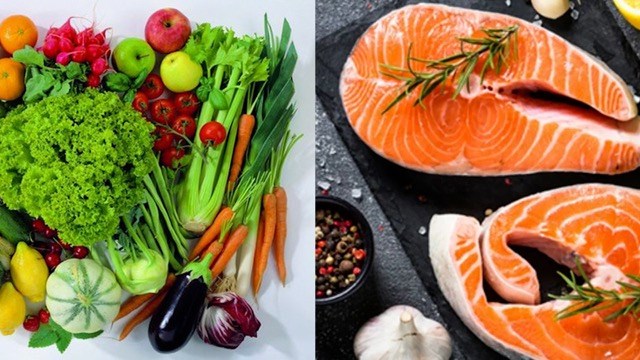
Đầu tiên, nên bảo quản bằng hộp nhựa và đậy kín trước khi cho vào tủ lạnh đối với những thức ăn thừa. Thực phẩm đã nấu chín thì nên để nguội ở bên ngoài rồi mới cho vào tủ lạnh.
Rau củ quả sau khi mua về, hãy nhặt bỏ những phần bị héo úa rồi rửa sạch, để ráo nước, có thể bọc lại bằng giấy báo hoặc túi nilon để giữ cho thực phẩm không bị mất nước, tươi lâu sau đó mới cho vào ngăn mát tủ lạnh để bảo quản.
Thịt, cá tươi sống khi mua về cần được bảo quản ở ngăn đá để có thể giữ được lâu ngày. Cần làm sạch trước khi cho những thực phẩm này vào hộp hoặc bịch nilon, sau đó buộc kín và cất ở ngăn đá.