
The Department of Ear and Neurology, Central Ear, Nose and Throat Hospital has just performed surgery to treat a 12-year-old child, residing in Lao Cai province, suffering from external ear canal cholesteatoma on the background of congenital earlobe and ear canal defects on both sides.
According to the patient's mother, before being hospitalized, the child often had ear discharge. At times, the discharge was green or red, accompanied by an unusual odor. The family had taken the child to some medical facilities for examination and was informed of ear polyps.
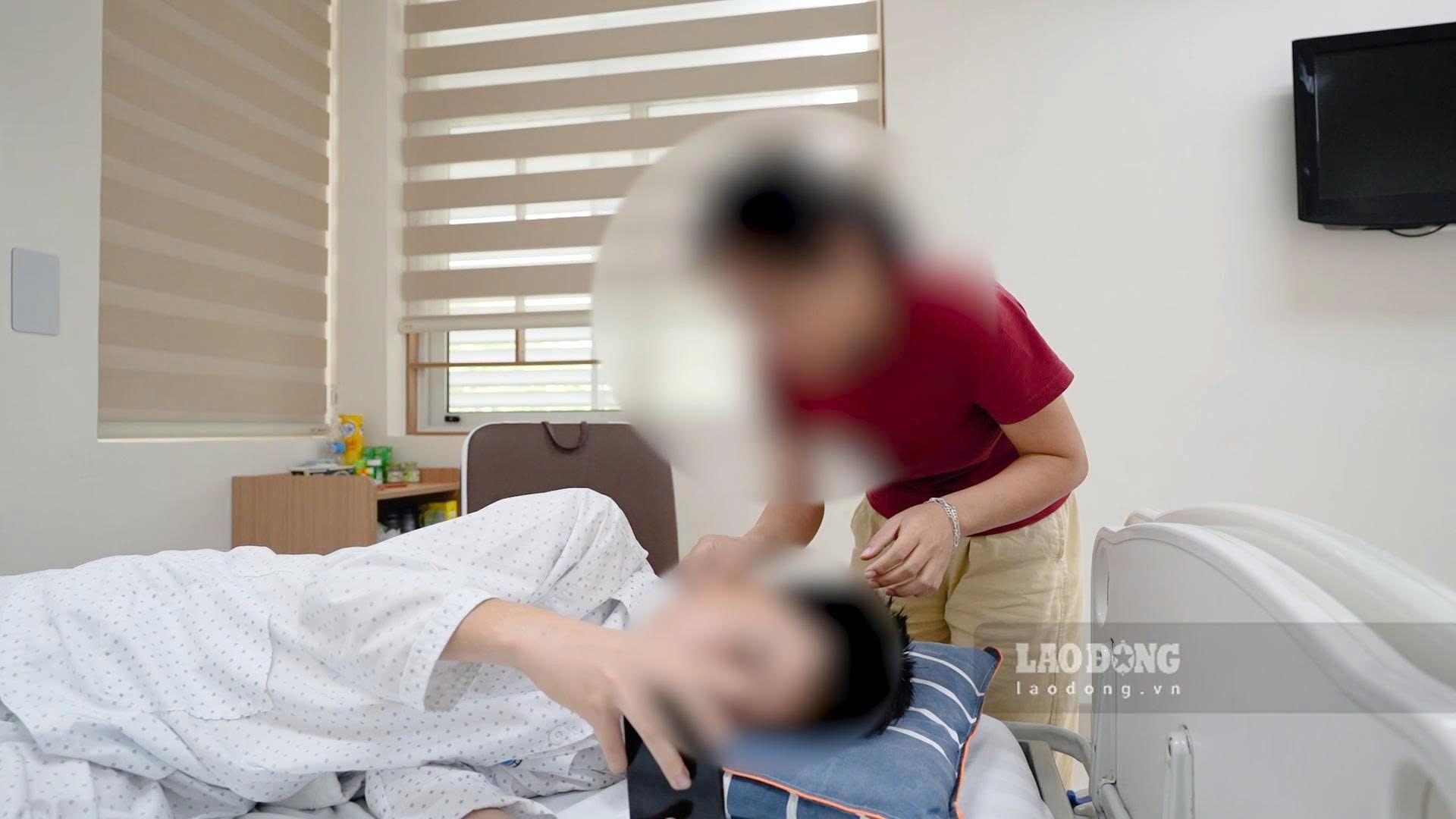
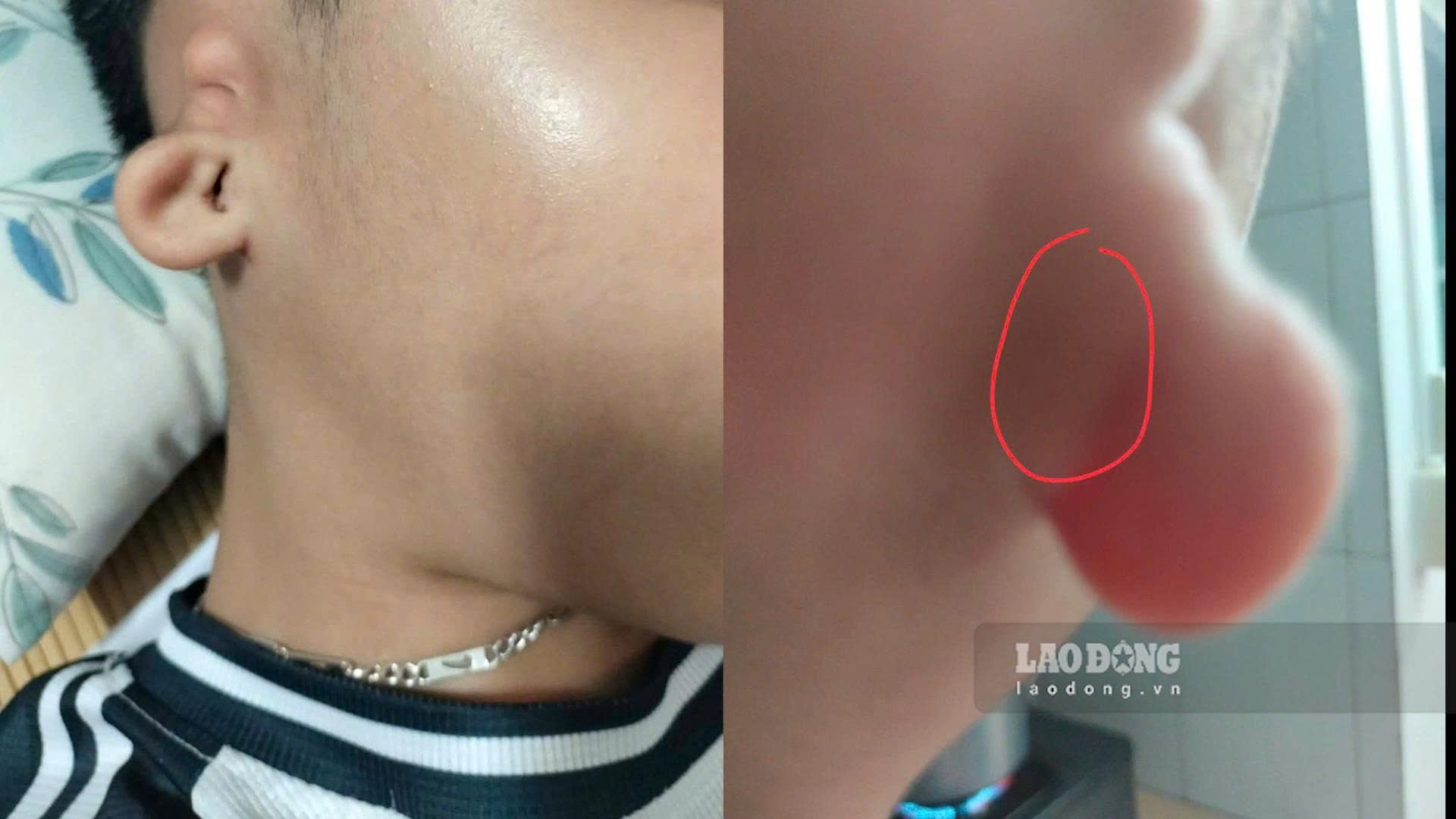
Visiting and examining the patient directly, Dr. Le Hong Anh, Head of the Neurology Department, Central Ear, Nose and Throat Hospital, said that the patient has congenital ear defects on both sides. The ear canal on both sides is seriously underdeveloped, almost without a normal ear ring structure. The left ear has no external ear canal, while the right ear canal is narrowed.
Through examination and evaluation, doctors determined that the cholesteatoma had spread to the basal bone, causing bone destruction and leading to many episodes of acute inflammation. When admitted to the hospital, the child had severe pain in the left half of his head, purulent discharge from his ears accompanied by a foul odor.
Dr. Le Hong Anh explained that cholesteatoma is an abnormal accumulation of keratinized epithelium and keratin fragments in the ear. This is not a cancerous tumor, but it has the potential to develop widely, causing inflammation and destroying bones as well as important structures around the ear.
If not detected and treated promptly, the disease can destroy the skeletal system, leading to hearing loss or loss; damage to the VII cranial nerve causing facial paralysis; mastoiditis, ear abscess and some other serious complications.
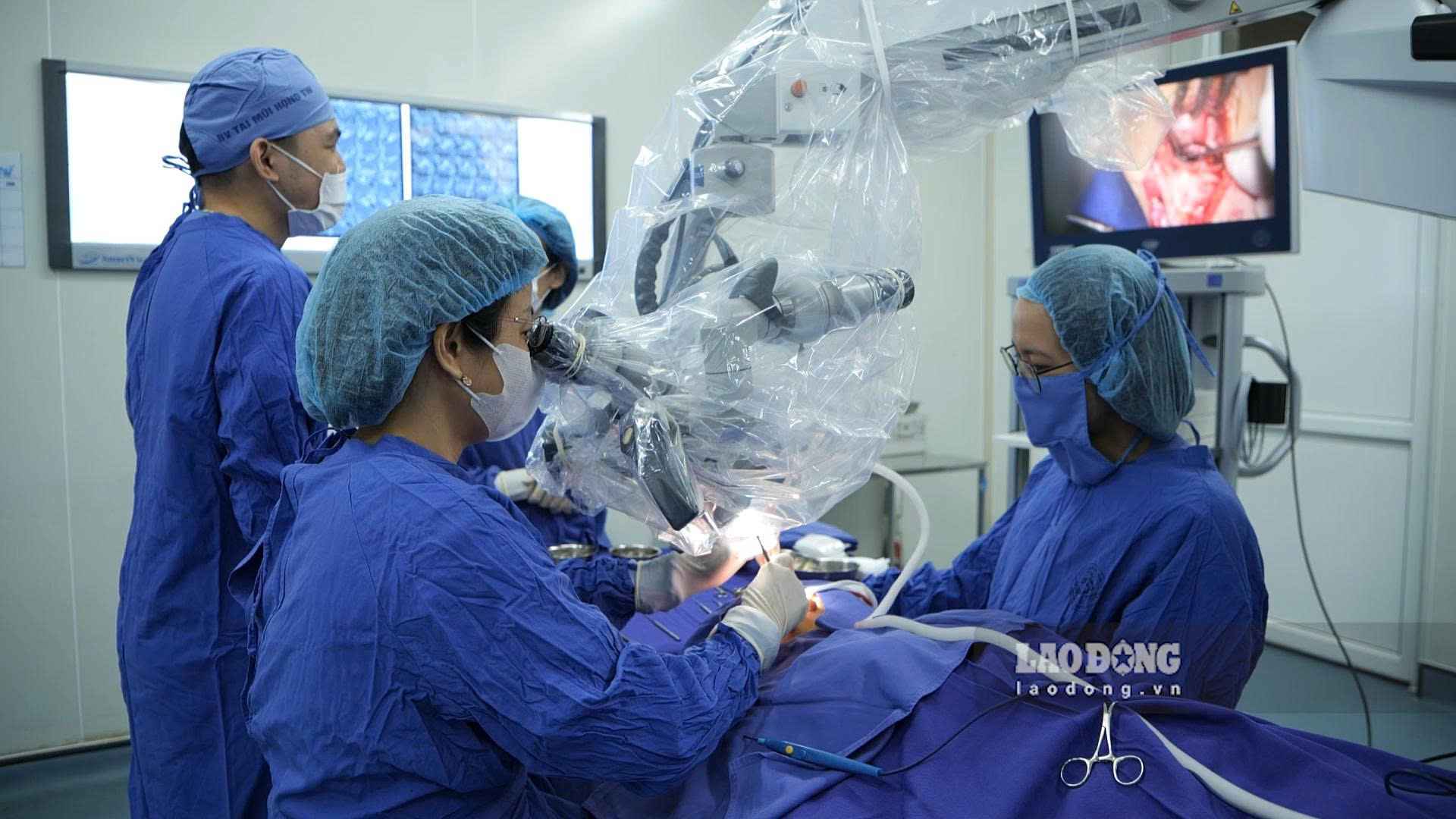
According to the doctor, cholesteatoma surgery requires the team to accurately determine the location and extent of spread of the lesion, while preserving important structures such as facial nerves, inner ears and areas related to hearing and balance functions. The goal of surgery is to completely remove the lesion to limit the risk of recurrence, while avoiding damage to structures that play an important role in hearing, balance and facial muscle movement functions.
Doctors recommend that people should proactively have regular Ear, Nose and Throat Examinations, especially children, people with congenital ear defects, long history of otitis media or hearing loss.
Examination helps detect abnormalities early even when symptoms are not clear. For children with ear defects, doctors can prescribe endoscopy, assess hearing ability and perform appropriate diagnostic imaging methods to determine ear structure, detect cholesteatoma early, thereby building a long-term monitoring, treatment and rehabilitation plan.


