Bên cạnh “giảm nhu cầu”, “giảm tác hại” cũng đang giải quyết gánh nặng thuốc lá toàn cầu
Suốt nhiều thập kỷ qua, tác hại thuốc lá điếu là vấn đề toàn cầu mà nhiều nước đang chung tay giải quyết. Theo đó, Tổ chức Y tế thế giới (WHO) đã đưa ra Công ước khung về Kiểm soát Thuốc lá (FCTC) nhằm hướng dẫn các nước triển khai các hoạt động hướng tới kiểm soát thuốc lá bằng bộ ba chiến lược: giảm cung, giảm cầu và giảm tác hại.
Trong đó, WHO ưu tiên cho việc “giảm nguồn cung” bằng cách tăng thuế thuốc lá điếu, “giảm nhu cầu” thông qua các biện pháp tuyên truyền về tác hại và hỗ trợ cai thuốc cho người hút. Theo đó WHO kêu gọi các nước thực thi mạnh mẽ định hướng chiến lược này trong nhiều năm qua. Báo cáo gần nhất cho thấy mục tiêu giảm 30% tỷ lệ người hút thuốc lá vào năm 2025 do WHO đặt ra vẫn không thể đạt được như kỳ vọng. Các chuyên gia cho rằng, số liệu này chứng tỏ hướng tiếp cận này còn nhiều hạn chế.
Áp dụng chính sách kiểm soát thuốc lá của WHO, trong giai đoạn năm 2005-2020, Thái Lan đã triển khai 15 biện pháp nghiêm ngặt, bao gồm 8 đợt tăng thuế để kéo giảm nhu cầu cùng nhiều biện pháp siết chặt cơ hội người tiêu dùng tiếp cận với thuốc lá và các sản phẩm chứa nicotine. Tuy nhiên, kết quả thực tế lại khác xa kỳ vọng. Trong vòng 11 năm (từ năm 2006 đến 2017), tỷ lệ hút thuốc lá điếu tại Thái Lan chỉ giảm 2,8%, tương ứng với trung bình mỗi năm đạt 0,25%.
Chính sách kiểm soát thuốc lá không hiệu quả là một trong những nguyên nhân khiến chính phủ Thái Lan đang phải đối mặt với sự chỉ trích của dư luận trong nước.
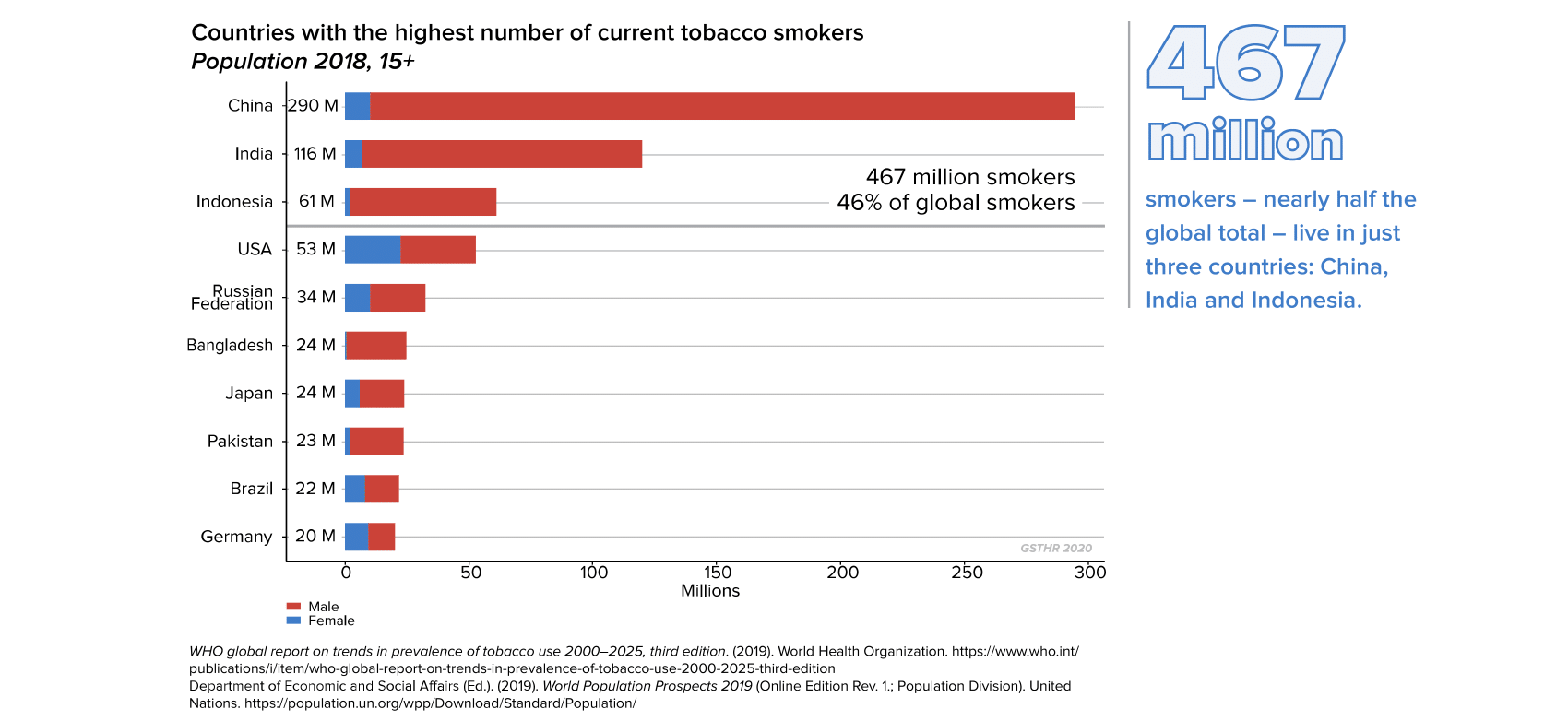
Cũng tuân thủ theo các chính sách của WHO, Việt Nam hiện thuộc nhóm 10 quốc gia có tỷ lệ thương vong do hút thuốc lá cao nhất, vượt trên cả Trung Quốc - quốc gia đông dân nhất và có mức tiêu thụ thuốc lá cao trên toàn cầu, theo báo cáo “Những Vấn đề Cấp bách - Tình trạng Toàn cầu về Giảm thiểu Tác hại Thuốc lá” (The Global State of Tobacco Harm Reduction - GSTHR) của Tổ chức Tri thức Hành động Thay đổi (Knowledge Action Change - KAC).
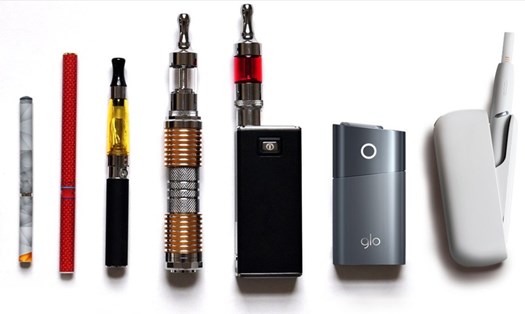
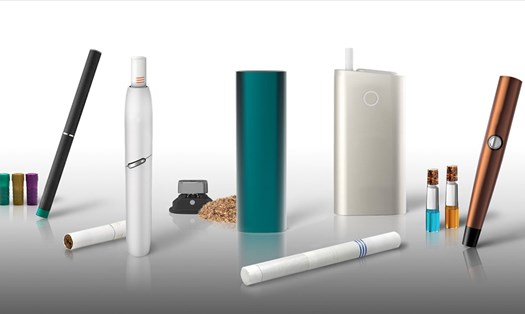
Trong khi đó, những nước áp dụng hướng tiếp cận “giảm thiểu tác hại” bằng các sản phẩm không khói thay thế thuốc lá điếu lại chứng minh được hiệu quả đáng kể. Theo số liệu ghi nhận tại Anh, việc đưa ra thị trường các sản phẩm không khói bao gồm thuốc lá làm nóng (thuốc lá nung nóng) và thuốc lá điện tử đã giúp cho tỷ lệ hút thuốc lá điếu giảm gần 5% trong 5 năm qua lên mức giảm hơn 14% trong năm 2020.
Tương tự, Nhật Bản đã thương mại hóa thuốc lá không khói kể từ năm 2014. Dữ liệu của Công ty Nghiên cứu Thị trường Frost & Sullivan tháng 11.2020 ghi nhận, trong khoảng thời gian từ 2015 đến 2019, tổng doanh số thuốc lá điếu tại thị trường này đã giảm đến 34%.
“Đi tắt đón đầu” hoặc bỏ lỡ cơ hội
Là cột trụ thứ ba trong chiến lược kiểm soát thuốc lá do chính WHO đề xuất, “giảm thiểu tác hại thuốc lá” đã vượt qua giai đoạn xem xét, hoài nghi và đang bước vào thời kỳ triển khai và điều chỉnh. Các chuyên gia cho rằng, nếu chỉ bám theo hai cột trụ đầu tiên trong chiến lược của WHO là giảm cung và giảm cầu thì các nước vẫn tiếp tục bỏ lỡ cơ hội cải thiện sức khỏe cho người dân. Được biết, đầu năm nay chính phủ Uruguay cũng đã tháo bỏ lệnh cấm đối với thuốc lá làm nóng trong bối cảnh vẫn quản lý nghiêm ngặt tất cả các sản phẩm thuốc lá nói chung.
Theo đó, tất cả các bộ trưởng, bao gồm Bộ Y tế của quốc gia này nhận thấy cần phải có trách nhiệm đối với sức khỏe cộng đồng bằng cách tìm kiếm các công cụ đưa ra giải pháp thực tiễn cho vấn nạn hút thuốc lá, bao gồm cả các giải pháp, sản phẩm thay thế tốt hơn thuốc lá điếu đốt cháy được nghiên cứu phát triển bởi chính các công ty thuốc lá.
Hiện nay đã có 66 quốc gia cho phép thương mại thuốc lá làm nóng, và 43 trong số này có tham gia Công ước khung FCTC. Điều này cho thấy, một tỷ trọng đáng kể các quốc gia thành viên của chính Công ước khung FCTC thuộc WHO vẫn theo đuổi chiến lược “giảm tác hại” chứ không bảo thủ thực hiện mỗi chính sách “giảm nhu cầu”. Trong đó, đón nhận các sản phẩm không khói thay thế cho thuốc lá điếu chính là bước đi chiến lược mà họ đang làm.
Đã đến lúc các quốc gia, đặc biệt những nước có tỷ lệ tiêu thụ thuốc lá cao như Việt Nam cần xét thêm biện pháp “giảm tác hại” bên cạnh “giảm nhu cầu” để chiến lược kiểm soát thuốc lá toàn diện, thực tế và hiệu quả hơn.