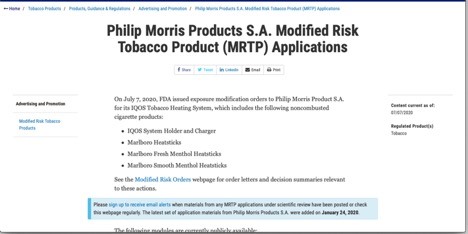
FDA cũng thông báo rằng những căn cứ khoa học hiện có cho thấy hàm lượng các chất gây hại hoặc có tiềm năng gây hại (HPHC) trong khí hơi aerosol của IQOS có hàm lượng thấp hơn so với thuốc lá điếu thông thường. Cơ quan này cũng đã trích dẫn những nghiên cứu khoa học cho thấy việc chuyển đổi hoàn toàn từ thuốc lá điếu sang sử dụng hệ thống IQOS sẽ giảm thiểu đáng kể sự phơi nhiễm của cơ thể với những chất hóa học đó, nhưng với điều kiện họ phải chuyển đổi sử dụng hoàn toàn (sang IQOS). FDA cho biết quyết định này dựa trên sự phù hợp của sản phẩm đối với sức khỏe cộng đồng gồm cả những người hút thuốc và không hút thuốc.
Thông báo của FDA được báo chí thế giới đánh giá làm một trong những quyết định đáng quan tâm, liên quan tới vấn đề thuốc lá. Ông André Calantzopoulous, Tổng Giám đốc PMI và Bà Moira Gilchrist - Phó Giám đốc Chiến lược & Truyền thông Khoa học của PMI đã có buổi chia sẻ trực tuyến với báo chí thế giới, trong đó có Việt Nam liên quan tới những vấn đề này.
Moira Gilchrist cho biết kết luận này không phải chỉ do một mình FDA đưa ra, mà quy trình này được diễn ra minh bạch và mở rộng cho công chúng để tất cả mọi người đều có thể nêu quan điểm về dữ liệu hay sản phẩm trên một cơ sở dữ liệu mở do FDA công khai. Tất cả dữ liệu của PMI đều được công bố để cộng đồng có thể tham khảo bất kỳ tài liệu nào trong hồ sơ xin cấp phép của họ trên trang web của FDA.
Hồ sơ này nhận được rất nhiều bình luận khác nhau, theo đó, các nhà khoa học và chuyên gia y tế cộng đồng ở Mỹ cũng như khắp nơi trên toàn cầu đều góp ý kiến cho FDA trong suốt quá trình cơ quan này thẩm định trước khi đưa ra quyết định.
Liên quan tới khái niệm “giảm thiểu phơi nhiễm”, bà Moira Gilchrist cho biết, dựa trên nhiều nghiên cứu lâm sàng ở người hút thuốc lá trưởng thành, kết quả cho thấy hàm lượng phơi nhiễm với các chất hóa học gây hại hoặc có tiềm năng gây hại khi chuyển đổi sang sử dụng sản phẩm IQOS, có mức độ rất gần với mức độ đo được ở những người đã cai hẳn thuốc lá trong suốt thời gian nghiên cứu.

Tuy nhiên, FDA cũng cho biết đến thời điểm này IQOS chưa có đủ sở cứ khoa học để chứng minh đây là sản phẩm giảm thiểu nguy cơ về sức khỏe liên quan đến hành vi hút thuốc lá. Lý giải cho điều này bà Moira Gilchrist cho rằng, khi nói về sự “giảm thiểu nguy cơ” hay “giảm thiểu tác hại”, là sự biểu hiện các bệnh liên quan đến hút thuốc sau một thời gian dài và đối tượng bệnh có thể đo được. Ví dụ như ung thư phổi, phải mất nhiều thập kỷ để thấy tiến triển của bệnh bệnh và có thể đo được tiến triển này trên bệnh nhân. Vì thế, không thể đo được những dữ liệu đó thông qua nghiên cứu ngắn hạn. “Điều chúng tôi làm là phân tích chỉ số “dấu ấn về nguy cơ”. Đây là những dấu ấn mà ta có thể đo được trong máu và nước tiểu, kết quả sẽ cho biết liệu một người đang có nguy cơ mắc một bệnh liên quan đến hút thuốc tăng lên hay giảm xuống. Nhưng để đo trực tiếp về các bệnh liên quan đến hút thuốc lá, chúng ta sẽ cần đến sở cứ dịch tễ học”, bà Moira nhấn mạnh.
Ông André Calantzopoulous cho rằng không thể thu thập dữ liệu dịch tễ học nếu sản phẩm không có mặt trên thị trường, vì nếu không có người sử dụng sản phẩm, sẽ không có số liệu về sức khỏe của họ qua thời gian. “Tôi nghĩ cách tiếp cận hợp lý nhất là cho phép sản phẩm có mặt nhưng dưới biện pháp giám sát đúng đắn, giám sát không chỉ vấn đề tiếp thị mà cũng đo lường qua thời gian, có sự giảm bớt về bệnh và tử vong sớm không. Như thế, sau một khoảng thời gian, chúng ta sẽ có định lượng tuyệt đối về mức độ lợi ích của sản phẩm đối với sức khỏe cộng đồng”, Ông André chia sẻ.
Được biết, việc cấp phép nêu trên có hiệu lực trong vòng 4 năm, sau đó Philip Morris sẽ cần tiếp tục yêu cầu được cấp phép gia hạn từ FDA.