Pneumonia in children is a common disease and can progress rapidly if not detected and treated promptly. Although most cases can be cured, ignoring initial signs or treating them incorrectly can lead to serious complications, affecting the health and life of children. Therefore, parents need to have full knowledge to proactively prevent and treat children with the disease.
According to Dr. Yogesh Kumar Gupta, consultant pediatrician at Fortis Hospital (Bengaluru, India), pneumonia in children is a common lung infection, especially common in children under 5 years old. Early medical intervention plays an important role in reducing the risk of complications.
Pneumonia in children is quite common
Pneumonia can occur at any age, but infants and children under 5 years old are at higher risk of developing the disease. The reason is that children's immune systems have not been fully developed, limiting their ability to fight pathogens. In addition, factors such as changing weather, exposure to respiratory viruses and the nursery environment also increase the risk of pneumonia.
Causes of pneumonia are not the same
Pneumonia in children can be caused by many different reasons, including viruses, bacteria or fungi. Of which, viral pneumonia is most common and can come from a cold or flu. Bacterial pneumonia often shows more severe symptoms and in many cases requires hospital treatment.
Initial symptoms may be difficult to recognize
Not all cases of pneumonia are obvious from the beginning. In addition to cough and fever, children may have signs such as rapid breathing, shortness of breath, chest tightness when inhaled, wheezing, poor feeding, abnormal fatigue or reduced reaction to the surrounding environment. If your child's lips or fingertips turn purple, it may be a sign of lack of oxygen and need to be taken to a medical facility immediately.
Early detection helps limit complications
If not treated promptly, pneumonia can cause complications such as respiratory failure, dehydration or prolonged hospitalization. When the child's symptoms do not improve or become more severe after 24 to 48 hours, parents should take the child to the doctor for early diagnosis and treatment.
Vaccination helps prevent pneumonia
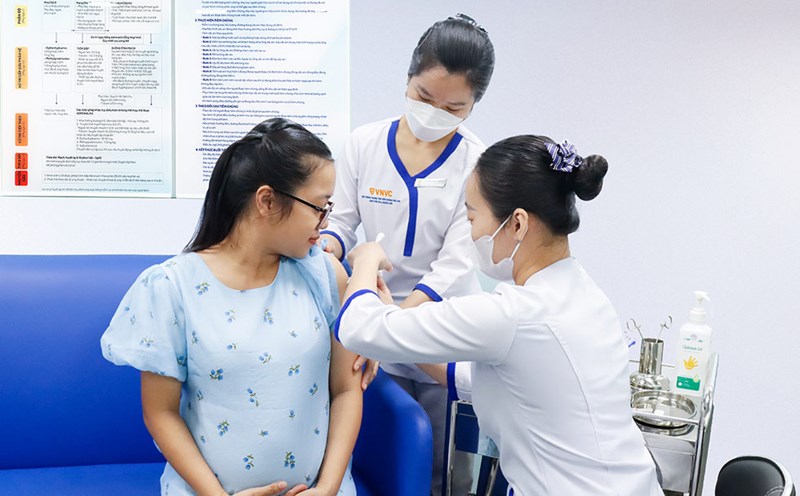
Adequate vaccination helps reduce the risk of pneumonia and limit complications in children. Parents need to get their children vaccinated according to the schedule as recommended by the health sector.
Not all cases need antibiotics
Antibiotics are only effective in treating bacterial pneumonia and are not effective in treating viral pneumonia. Many cases of viral pneumonia can improve when children are rested, drink enough water and monitor closely. Overuse of antibiotics can lead to resistance to medication, making treatment difficult later.
The recovery process needs to be carefully monitored
Even after treatment, symptoms such as cough and fatigue can last for several weeks. During this time, children need to be fully cared for in terms of nutrition, rest and health monitoring. Parents should not let their children return to school too early and should take them for follow-up examination if they show unusual signs.
The information in the article is for reference only, not a replacement for medical diagnosis or treatment. You should talk directly to your doctor for accurate advice that is suitable for your health condition.