
Through meticulous examination and implementation of in-depth paraclinical tests with modern equipment (PET/CT, high-resolution digestive endoscopy system, international standard pathology system,...), the patient was diagnosed with multiple-position gastrointestinal cancer: lower throat cancer, lower 1/3 esophageal cancer and gastroduodenal cancer.
This is a case of multiple-position cancer with distinct cytogenetics (Synchronous Cancers) that is extremely rare, requiring a specialized humanized treatment strategy and the highest level of gastrointestinal endoscopic surgery skills.
The biggest challenge of this surgery is the surgical time lasting more than 13 hours; surgery in many locations; many risks of complications and complications during and after surgery.
The major surgery mobilized inter-hospital coordination: Central Ear, Nose and Throat Hospital and inter-specialized departments PhenikaaMec: Anesthesia and Resuscitation Center, Ear, Nose and Throat Department, Digestive Center - Endoscopic Unit... under the chairmanship of Dr. Tran Thanh Tung - Head of General Surgery Department PhenikaaMec.
Initially, doctors performed endoscopic hypopharyngeal tumor removal, then endoscopic surgery to remove the lower 1/3 of the esophagus with full stomach removal, lymph node dissection, and colonic esophagoplasty.
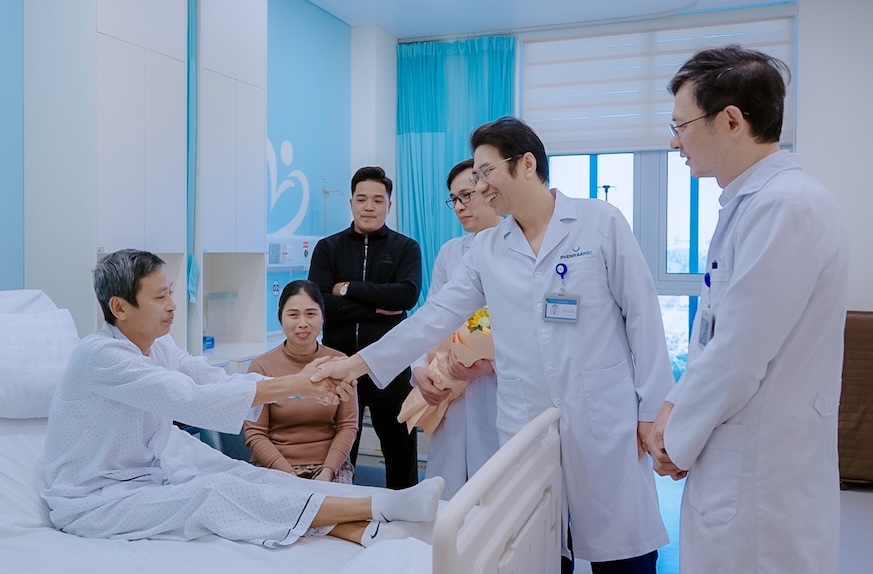
Colon interposition technique is a specialized intervention method, usually only performed at leading hospitals due to very high risks and postoperative complications:
Anatomic complexity: The surgical field stretches from the neck - chest - abdomen, requiring good control of vital organs.
Microsurgery of blood vessels: The colon segment used for replacement must have blood vessels that nourish it absolutely preserved. If blood vessels are damaged, the intestines segment will become necrotic, directly endangering the patient's life.
Risk of cleft joints: With many joint points (hypopharynx - colon, colon - small intestine), ensuring good joint joints on the background of cancer patients is a major challenge for surgeons.
With experience, in-depth surgical skills, and proficient use of modern equipment such as Ligasure knives, staplers, etc., doctors have well controlled bleeding and performed the most accurate stitches. The intensive pre-, during and post-operative resuscitation system has the ability to well control respiratory, circulatory, etc., and nutritional conditions for patients after a long major surgery.


