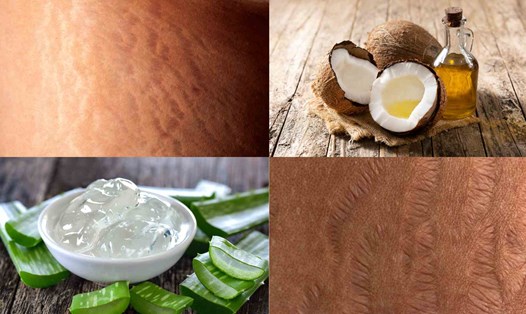
Stretch marks are a common condition during pregnancy, appearing when the skin is stretched rapidly with the development of the fetus. Stretch marks are usually red, pink or purple, appearing on the abdomen, chest, hips or thighs and may gradually fade into silver-white after birth. Although not harmful to health, stretch marks can make many women feel insecure.
According to Dr. Shireen Furtado, a Dermatology, Medical and Aesthetic Specialist at Aster CMI Hospital (India), stretch marks are formed due to rapid skin expansion combined with hormonal changes that reduce elasticity. Genetic factors also contribute to determining the extent of stretch marks in each person. Although it cannot be completely prevented, pregnant women can reduce the risk and severity with appropriate care measures.
First of all, moisturizing the skin daily is an important step. Moisturizers, cocoa butter, nut butter or almond oil help improve elasticity and limit dry skin. Applying moisturizer regularly to the abdomen, chest, thighs and hips will help the skin become softer when stretched.
Drinking enough water also plays an essential role. Water supports collagen production and maintains skin's natural elasticity. In addition, a diet rich in vitamin C, vitamin E, zinc and protein helps nourish the skin from the inside out. Green vegetables, fruits, nuts and dairy products should be regularly added to the daily menu.
Reasonable weight gain according to doctor's recommendations is another important factor. Weight gain too quickly will increase pressure on the skin, making the risk of stretch marks higher. Scientific weight control helps the body gradually adapt to changes during pregnancy.
Gentle exercise such as walking or yoga for pregnant women helps improve blood circulation and support skin elasticity. Regular physical activity also helps pregnant women control weight and maintain overall health.
Experts also recommend avoiding using strong cleansing products or water that is too hot, as it can make the skin drier and more vulnerable. Instead, you should prioritize gentle products that are suitable for sensitive skin.
Finally, gently massage areas of skin prone to stretch marks to help stimulate blood circulation and increase elasticity. This is a simple habit but can bring long-term benefits if done regularly.
Dr. Furtado emphasized that stretch marks are a normal phenomenon during pregnancy. After childbirth, many stretch marks will gradually fade over time. If you need further aesthetic improvement, women can refer to dermatological methods such as specialized creams or high-tech treatments according to doctor's advice. It is important to maintain a healthy lifestyle and positively accept changes in the body.