
In the atmosphere of the 2026 Lunar New Year, when millions of Chinese people begin the longest holiday of the year from February 17, social networks in this country suddenly witnessed the rise of many trends that are both humorous and reflect social moods.
The most notable is the "Lucky Draco" phenomenon. Draco Malfoy - the villainous student in the Harry Potter series and movies - unexpectedly became the New Year's mascot.
Images of British actor Tom Felton, who played Malfoy in the series that ended 15 years ago, appear on posters, refrigerator magnets, decorations and even banners at shopping centers.
The reason stems from the pronunciation of the character's last name into Chinese as "Ma Er Fu", in which "Ma" is "Ma" and "Fu" is "Phuc" - two words considered good omens in the new year.
Meanwhile, the Harry Potter series has a large number of fans in China, this linguistic coincidence quickly turned Draco into a symbol "both compatible with the zodiac and compatible with luck".
Another equally surprising phenomenon originated from a stuffed animal sewing workshop based on the zodiac theme this year. Workers accidentally sewed up the muzzle of the little horse, turning a bright smile into a gloomy face.
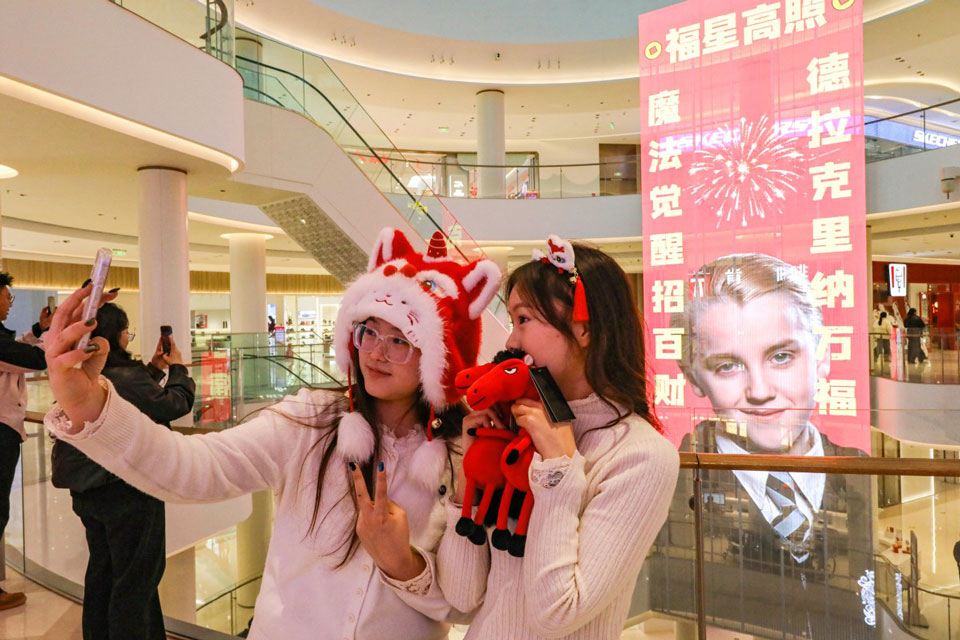
This image quickly spread, touching the mood of many young workers under pressure in the competitive job market and slow-growing economy. The related hashtag attracted more than 100 million views on Weibo, sales skyrocketed with tens of thousands of products produced every day.
Another trend with more everyday colors is "raising" sticky rice cakes - a popular traditional dish in eastern and southern China during the New Year. Because the cakes must be soaked in water and changed regularly before processing, netizens humorously call it the process of "caressing for pets".
Many people post photos of "watching for cakes", complaining about having to stay home to "guard pets", even joking that someone "lost pets" when they saw a bag of cakes forgotten on the train. This trend extends the list of inanimate "pets" that busy young people have accepted as companions with little care.
Not stopping there, Chinese social networks also called for turning the last day of the lunar year into a "national hairwashing day", because traditional beliefs advise not to wash your hair on the 1st day to avoid "washing" your luck.
Although humorous, these trends show how Chinese youth combine tradition with online language and current moods, turning Lunar New Year into a space that is both sacred and imbued with modern nuances.


