
According to the Ho Chi Minh City Department of Food Safety, the southern provinces are preparing to enter the rainy and flood season. This is a transitional season with high humidity, creating favorable conditions for bacteria and mold to develop.
In Ho Chi Minh City, high tides combined with heavy rain can affect people's daily lives. Therefore, ensuring food safety in this period becomes particularly important. People need to form scientific living habits, be careful in the selection, processing and preservation of food to protect their own and their families' health.
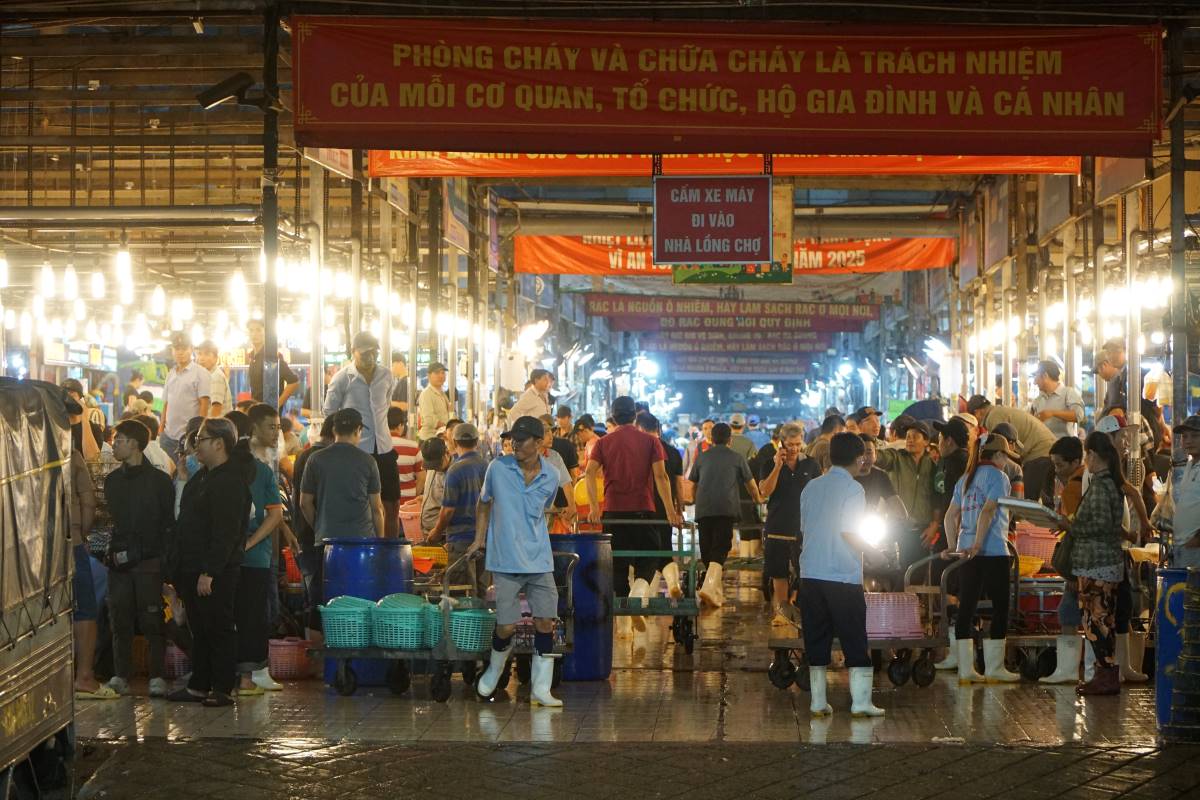
The Ho Chi Minh City Department of Food Safety emphasized that proactively equipping knowledge about food selection, processing and preservation is an effective "shield" to help prevent the risk of food poisoning in the rainy and flood season.
According to recommendations from the Ho Chi Minh City Department of Food Safety, people need to pay special attention to the principles of choosing and storing food during the rainy and flood season.
Vegetables, tubers, and fruits should be fresh, not crushed, without strange colors or smells. For meat, fish, and seafood, it is necessary to ensure they are still fresh; eggs should be chosen with light-colored shells, not cracked and pink when viewed under light. Packaged and boxed products must have full labels and expiry dates; absolutely do not use dried food that has become moldy.
Families need to prepare suitable food for young children, pregnant women and the elderly; protect kitchen areas and food from insects and harmful animals...
In case of power outages due to storms, cold storage of food needs to be given special attention.
In addition, the principle of eating cooked food and drinking boiled water needs to be strictly implemented during the rainy and flood season. People should not eat raw vegetables, salad or processed food; food needs to be cooked thoroughly and used immediately after processing. Washing hands with soap before processing food and after exposure to the outside environment is also an important measure.
After the water recedes, the environment needs to be thoroughly cleaned to limit the risk of disease outbreaks. People should use antiseptic solutions to clean the kitchen area, food shelves and floors; treat domestic waste promptly, and do not let it accumulate near the food processing area.


