
Ho Chi Minh City is a city with a population of about 14 million people, with a very large demand for food consumption. This poses high requirements for food safety management and assurance in the city.
Building clean food and combating dirty food
According to Ms. Pham Khanh Phong Lan - Director of the Ho Chi Minh City Department of Food Safety, the unit always identifies 2 parallel tasks: building clean food sources and preventing dirty food. However, public opinion often focuses heavily on violations, while the construction of a safe food chain has not been fully recognized.
Ms. Phong Lan said that in 2025, food safety work has clearly transformed. The safe food chain model continues to be expanded, digital management at wholesale markets is being implemented, and the link between production and consumption is increasingly close. These changes directly affect daily meals and the peace of mind of city residents.
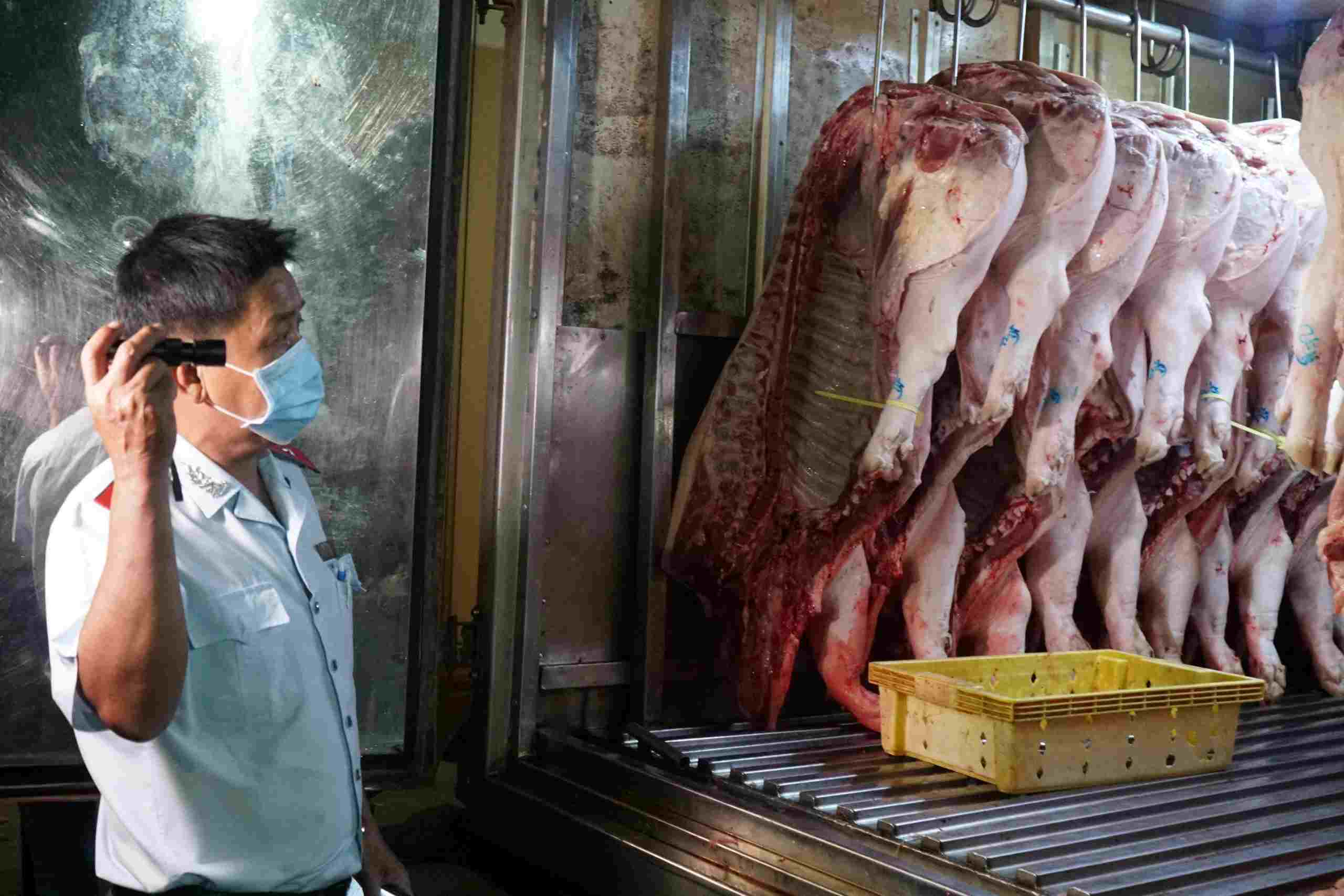
According to the Ho Chi Minh City Department of Food Safety, in the period 2021 - 2025, the city has controlled food safety more and more professionally, from tightening the origin right in raw material areas to expanding safe food chains, gradually building consumer confidence.
Stepping into the 2026 - 2030 period, Ho Chi Minh City sets a goal to expand the scale of the safety chain, improve control standards, strengthen traceability and promote digital transformation. The city aims to control food safety right from raw material areas, ensuring that food put on the market is safe and transparent.
Peak time to ensure food safety for the Lunar New Year
During the Lunar New Year, the demand for shopping and food consumption increases sharply. This leads to the risk of food insecurity, especially in large cities like Ho Chi Minh City.
From now until March 20, the inter-sectoral Steering Committee for Food Safety of Ho Chi Minh City will deploy a peak period to ensure food safety throughout the area, serving people to celebrate the Binh Ngo Lunar New Year and participate in the 2026 Spring festivals.
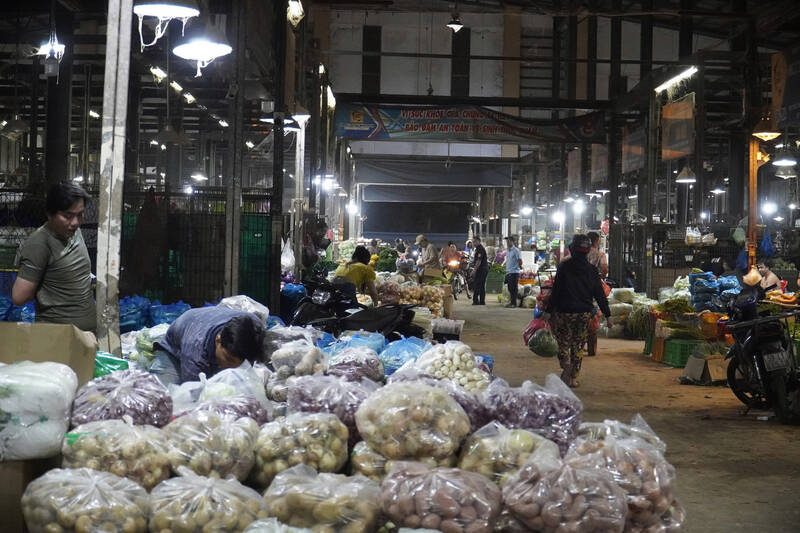
According to Ms. Phong Lan, the general goal of the peak period is to ensure food safety throughout the chain from production, processing, business to use.
At the same time, strengthen control and promptly prevent the production and trading of fake and poor quality food; ensure food circulation in the market is safe; prevent and minimize the risk of food poisoning during Tet and the festival season.
The inspection work is deployed in a focused and key direction, focusing on items that are consumed a lot during Tet and festivals such as meat and meat products, beer and alcohol, alcoholic beverages, soft drinks, cakes, jams, candies, vegetables and fruits, food additives and food service business establishments.
Functional forces pay special attention to controlling production and import outlets, wholesale markets, commercial centers, supermarkets, traditional markets, slaughterhouses, and food transportation facilities. At the same time, tighten the fight against smuggling, trade fraud, counterfeit goods, goods that do not ensure quality, are expired or of unclear origin.


