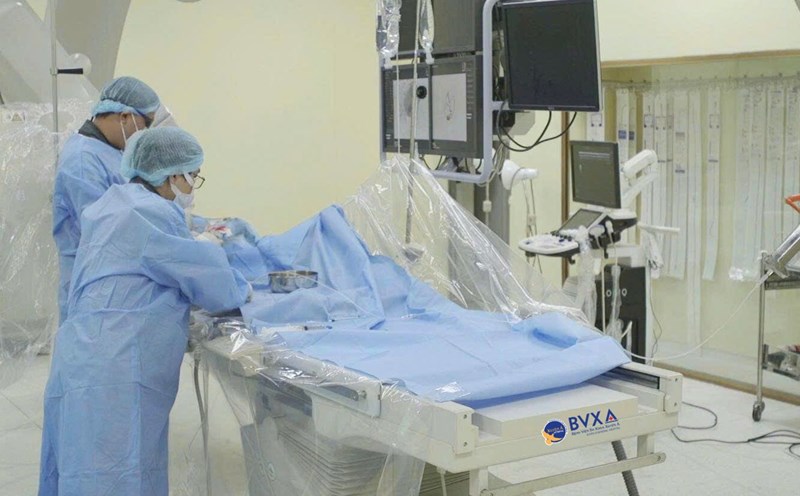
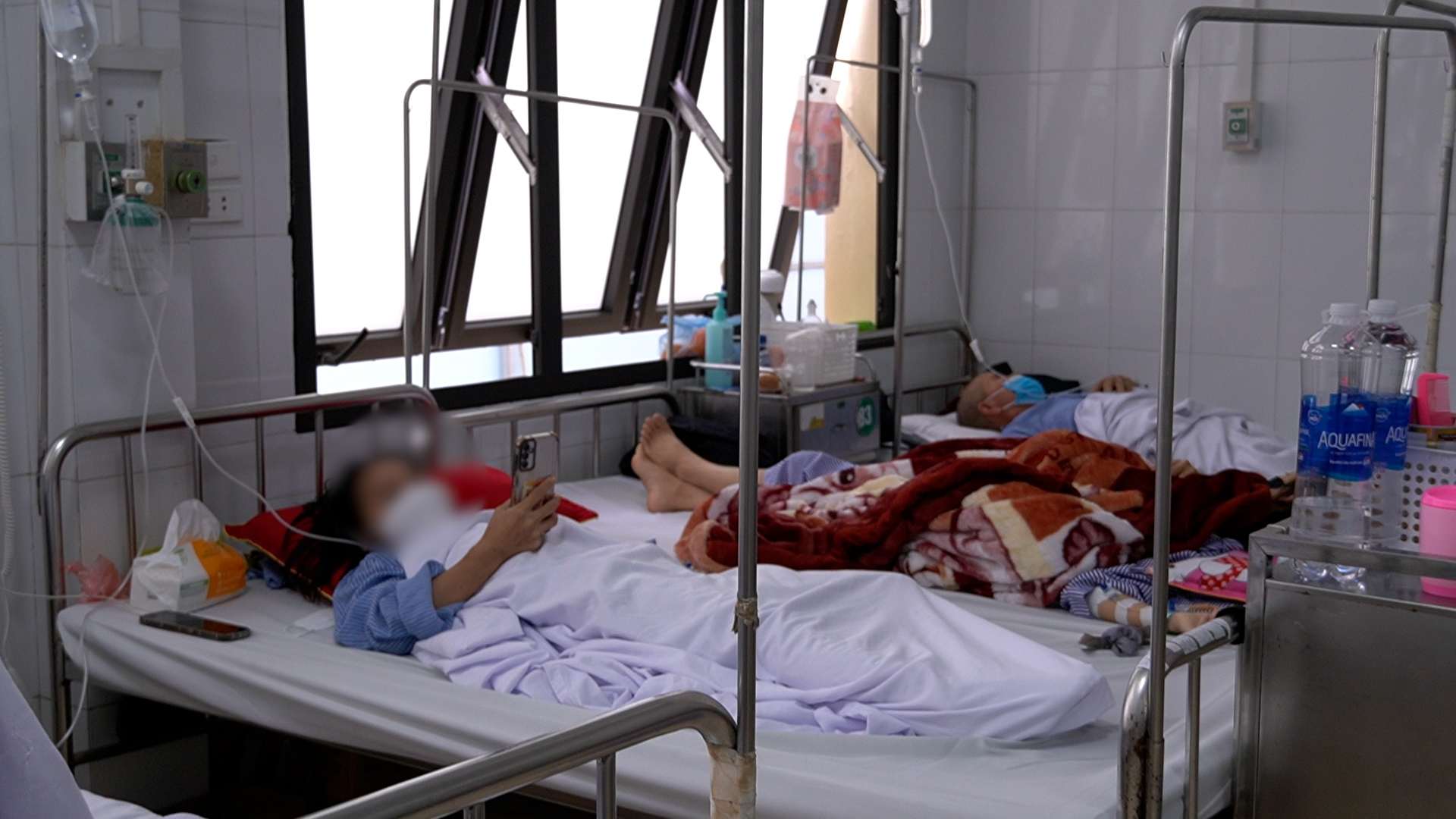
Only seeing his body lose weight during the exam preparation period, a high school student said that the reason was due to study pressure, staying up late and irregular activities, so he did not go for health check-ups. When admitted to the Department of Neumrology and Cardiology, Central Lung Hospital (Hanoi), the patient's lungs were almost completely damaged on one side, accompanied by coughing up blood.
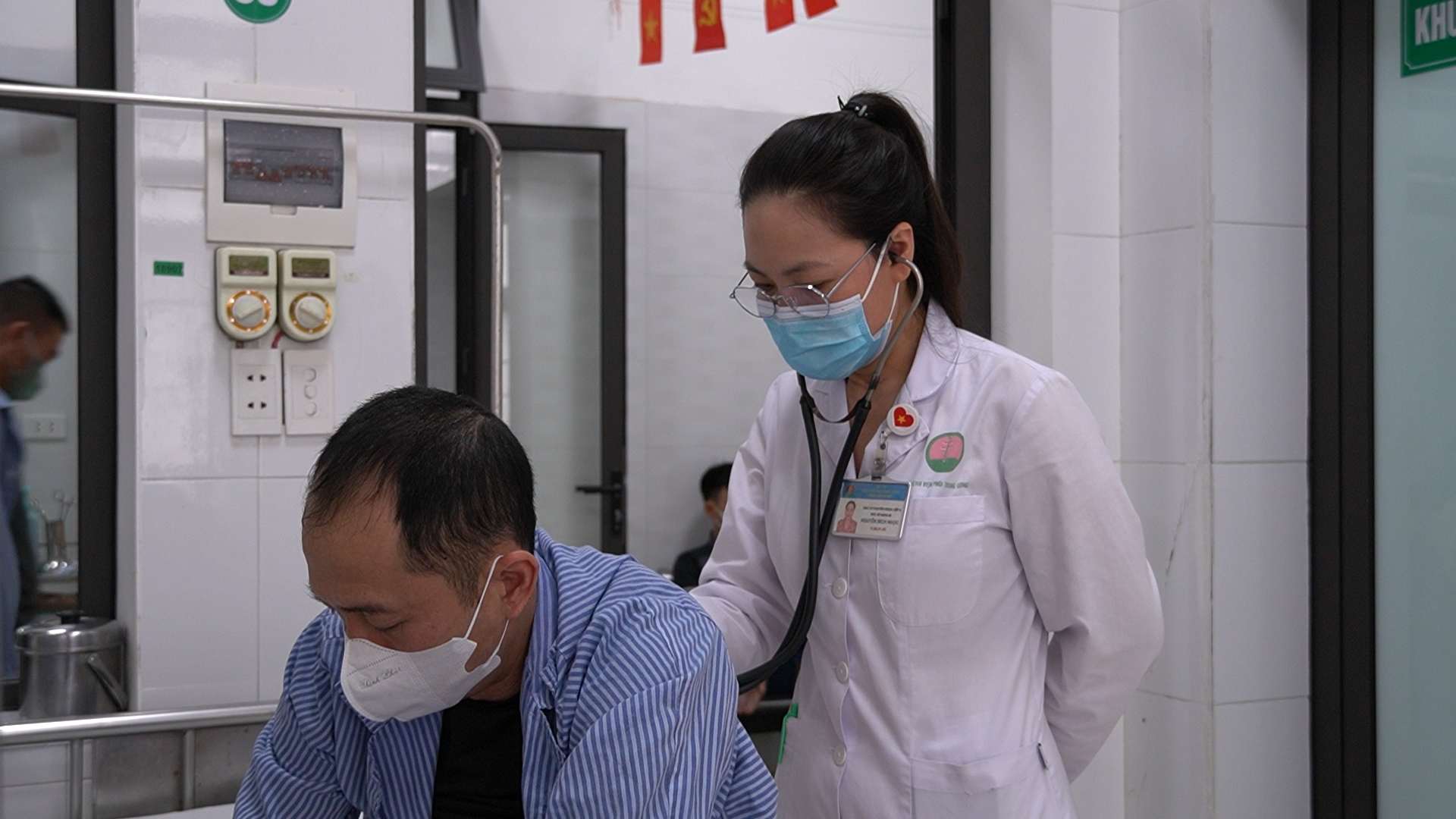
According to BSCKII Nguyen Bich Ngoc, Department of Respiratory Surgery, Central Lung Hospital, in recent years, the rate of young patients diagnosed with the disease has tended to increase compared to before.
Many cases come for examination when the disease has progressed severely, while the initial symptoms are just symptoms that are easily overlooked such as mild fever, weight loss, prolonged cough," the doctor said.
The reality of treatment shows that many young people have symptoms such as mild fever, weight loss, prolonged cough but hesitate to go to the doctor because they are busy studying, working or reluctant to check their health. Even in some cases, there are almost no obvious symptoms, and when they cough up blood and come to the hospital, lung damage is already relatively severe.
For cases diagnosed early, when the lesions are still small and there are no complications, the treatment effectiveness is very high, even in some cases, lung lesions are almost completely recovered. Conversely, if left late, widespread lesions will increase the risk of sequelae and recurrence.
Doctors recommend that people should have regular health check-ups, even when there are no symptoms. Screening at least 1-2 times a year can help detect early minor lesions in the lungs. Cases with symptoms such as prolonged cough for about 2 weeks, unexplained weight loss, persistent mild fever or chills in the afternoon need to be examined early to avoid late detection and severe progression.
People treated for tuberculosis need to adhere to the correct protocol, sufficient duration, and correct dosage. Quitting the drug halfway can prevent bacteria from being completely killed, increasing the risk of drug resistance and spreading to the community. Some people even hide the disease for fear of being stigmatized, unintentionally making the risk of infection higher.