Respiratory viral virus - the silent enemy
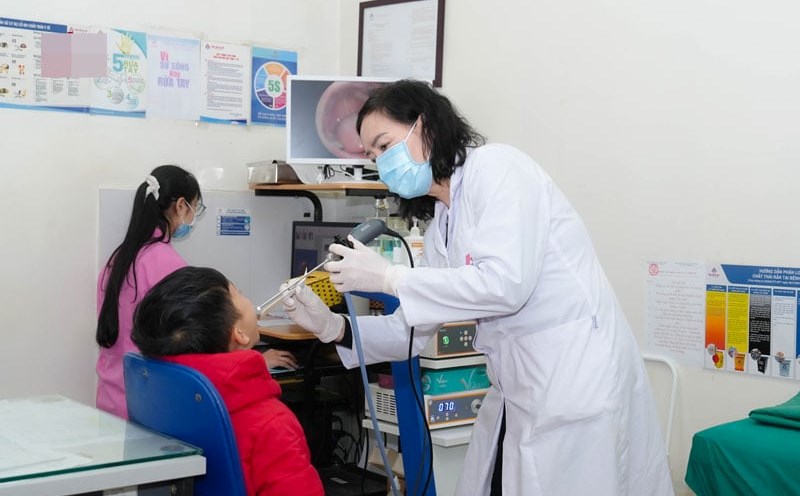
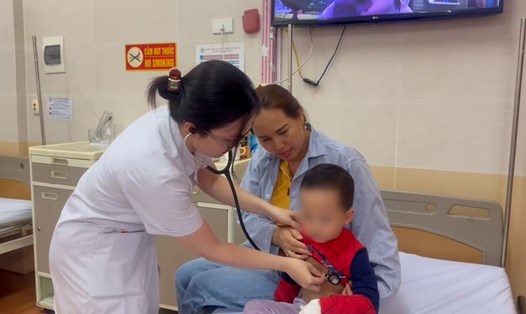
Doctor Tang Thi Minh Thu, Department of Pediatrics, 108 Central Military Hospital, said that acute respiratory infection is a common disease and one of the leading causes of disease and death in children under 5 years old. Of which, 50 90% of cases are caused by viruses, especially RSV, a major threat to infants and high-risk children.
RSV causes many acute respiratory diseases such as nasopharyngeal inflammation, bronchitis, bronchitis, pneumonia. The cold, humid weather and heavy rain created conditions for this virus to spread rapidly in the community.
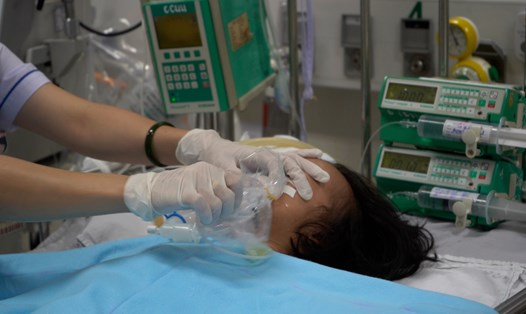
In the early stages, children often show signs of fever or no fever, nasal congestion, runny nose, coughing and coughing a lot with phlegm, wheezing, and vomiting when coughing. Some cases of the disease progress rapidly, causing difficulty breathing, purple, stopping feeding, and convulsions; newborns, especially under 6 months old, are at risk of respiratory arrest. Meanwhile, older children may only show mild symptoms and are easily overlooked.
RSV is transmitted through drops, direct contact with nasal congestion or through virus-infected surfaces such as toys, door handles. Premature babies, children under 6 months old, immunodeficiency, chronic diseases or low birth weight are particularly vulnerable groups.
This virus can cause many dangerous complications such as bronchitis, pneumonia, respiratory failure, inflammation in the middle ear, respiratory arrest and increase the risk of bronchitis in the long term. According to the Department of Pediatrics, 108 Central Military Hospital, the number of children hospitalized for RSV-related acute respiratory infections has tended to increase recently.
RSV is common in children, most of whom are infected before the age of 2, but adults can still get it, even if they have been infected before. In healthy adults, RSV is often mild or asymptomic, with cold-like manifestations. anyone can get RSV, but people over 60 years old, people with chronic lung disease (such as asthma, COPD), diabetes, chronic heart disease or immunodeficiency are at higher risk of serious illness.
People with diabetes - a high-risk group for severe RSV
In Vietnam, there are about 7 million people with diabetes, more than 55% of whom have complications. Patients are at risk of infectious diseases, including RSV, higher than people without underlying diseases.
Associate Professor, Dr. Ho Thi Kim Thanh, Vice Principal of Hanoi Medical University, said: Adults with diabetes are 2.4 to 11.4 times more likely to be hospitalized for RSV than those without diabetes. RSV disease can cause serious complications and significantly affect the quality of life. This challenge is even greater when RSV treatment is currently mainly supportive treatment, without a specific treatment method.
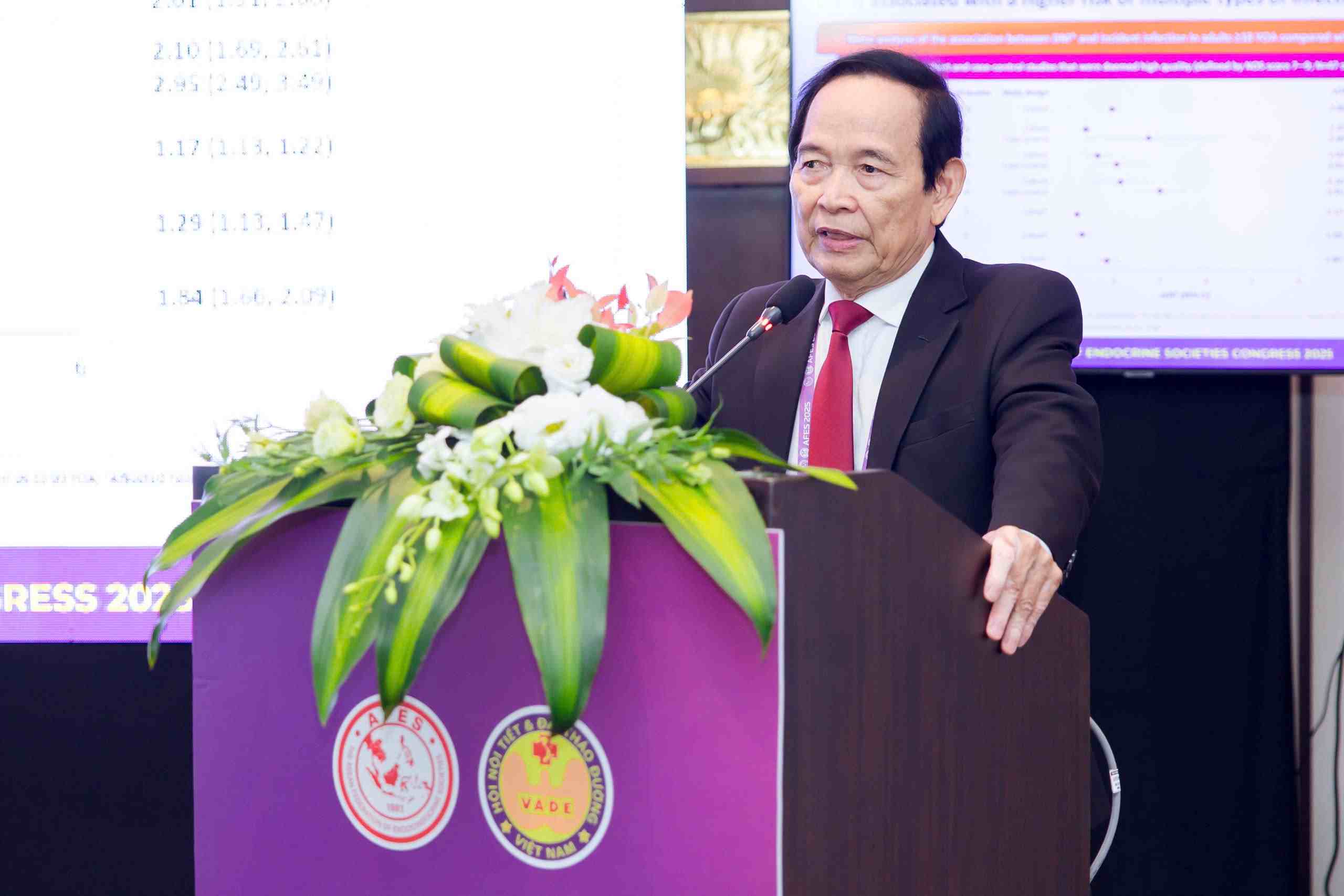
At the 23rd ASEAN Endocrinology Conference, organized by GSK Vietnam in collaboration with the Endocrinology - Diabetes Association, Prof. Dr. Tran Huu Dang, Chairman of the Vietnam Endocrinology - Diabetes Association, said: people with diabetes need to be vaccinated with essential vaccines according to the recommendation of the American Diabetes Association. In Vietnam, the Ministry of Health recommends annual vaccination against influenza, broth and hepatitis B for patients with type 2 diabetes. The Vietnam Endocrinology and Diabetes Association continues to discuss additional vaccinations against diphtheria, whooping cough, tetanus and RSV, emphasizing proactive disease prevention for high-risk groups.