A paradise of snacking among dust and waste
It is not difficult to see street vendors selling "dirty goods" right next to school gates, next to drainage culverts, temporary landfills or along busy traffic routes. The food is placed directly on a plastic tray, without covering or exposing itself to the smoke, flies and strong oil smell.
Many carts are just a few steps from the road, so the dust and vehicle emissions mixed directly into the food. The seller processed and collected money, almost no use gloves, masks or any hygiene measures.
More worryingly, fried oil is used to prepare food. Many oil pans have turned dark brown, thick, and charred but are still used continuously. After each fried batch, the oil is not replaced but only added, continuing to boil at high temperatures.
Reusing fried oil many times can produce toxic substances, which can seriously affect the health of consumers, especially children.
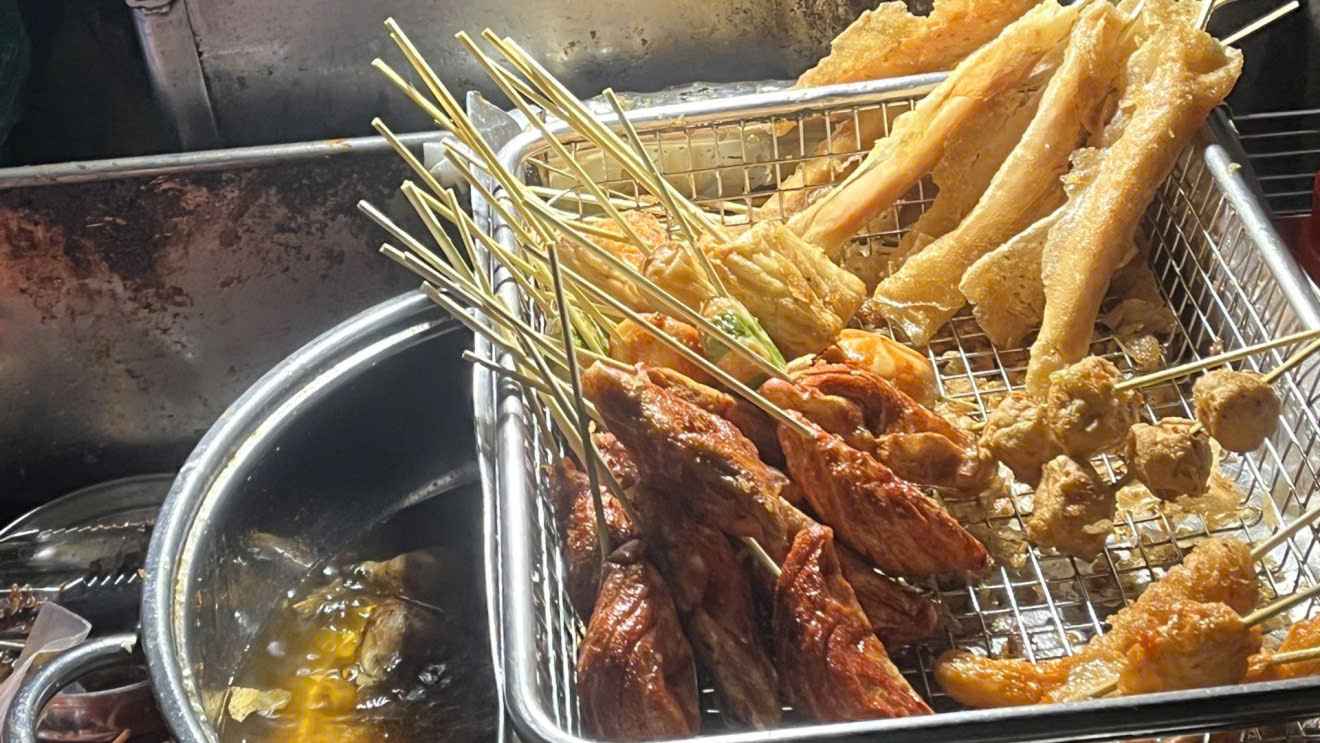
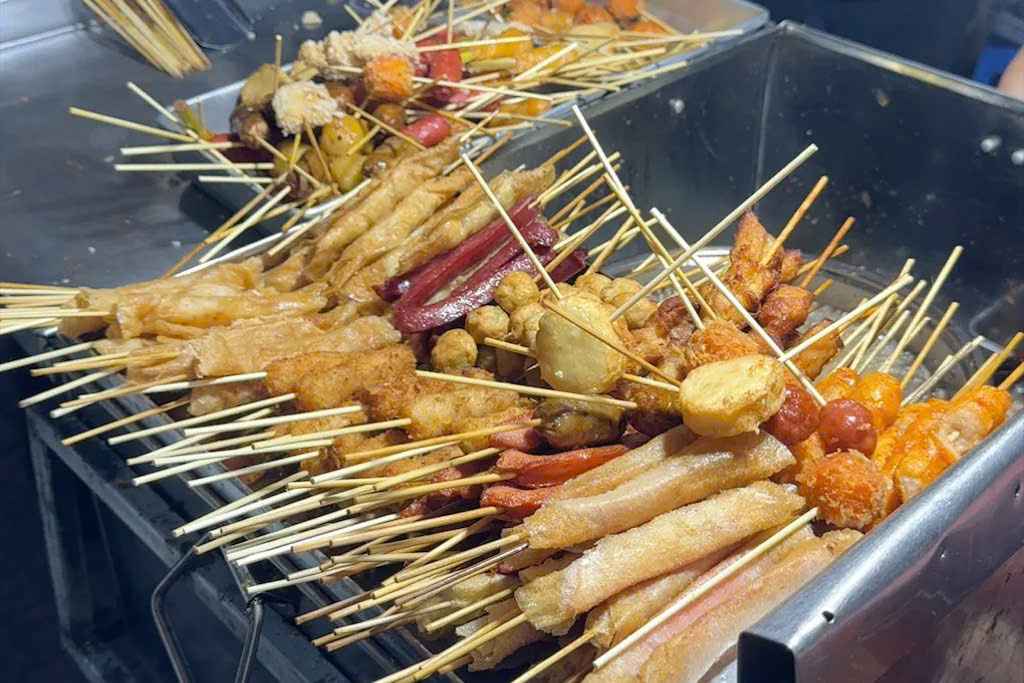
According to the reporter's records at Mai Dich Secondary School (Cau Giay Ward, Hanoi), at around 3pm every afternoon, a fried fish ball truck is operating at almost "exhausted capacity", selling all kinds of colorful snacks.
From familiar fish balls, shrimp balls, monk fruit to salmon advertised by sellers as "high-end", all are quickly fried right on the roadside. Seafood, as the seller calls it, is "popularised", becoming an easy-to-reach snack for students after school.
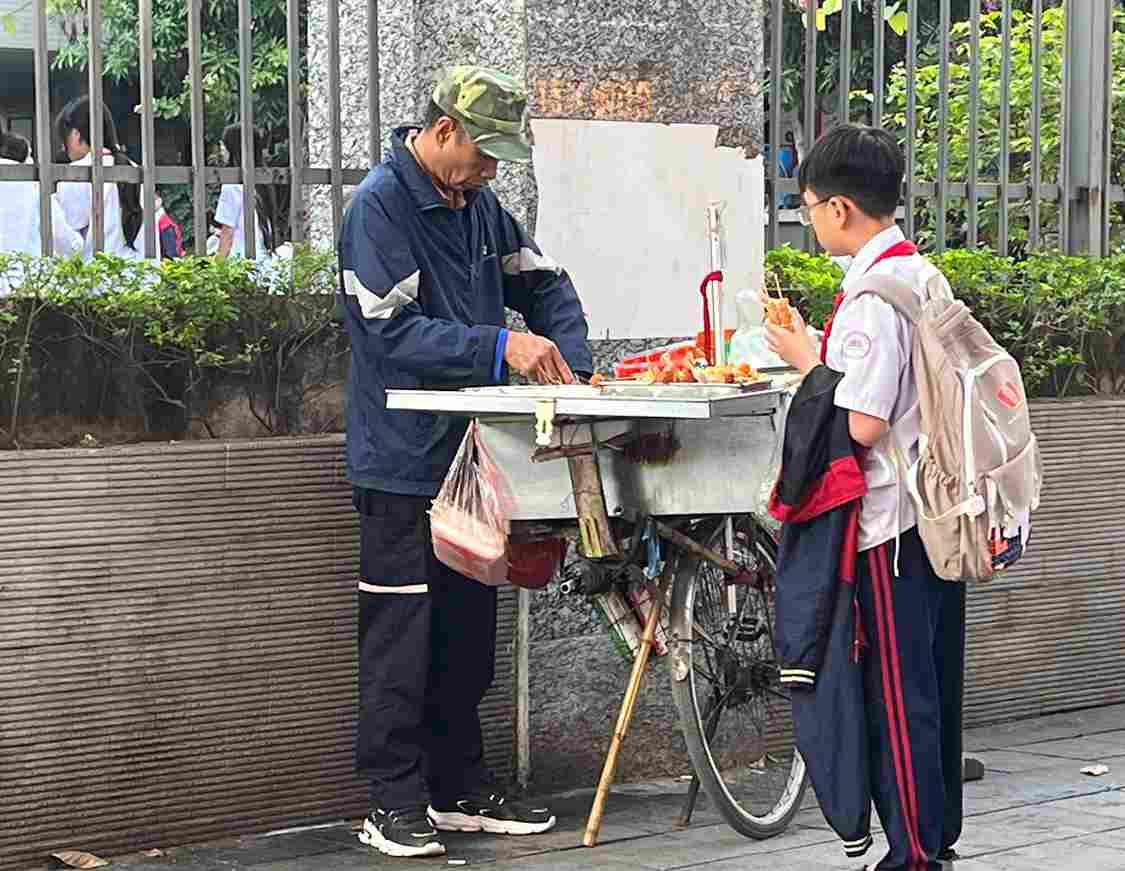
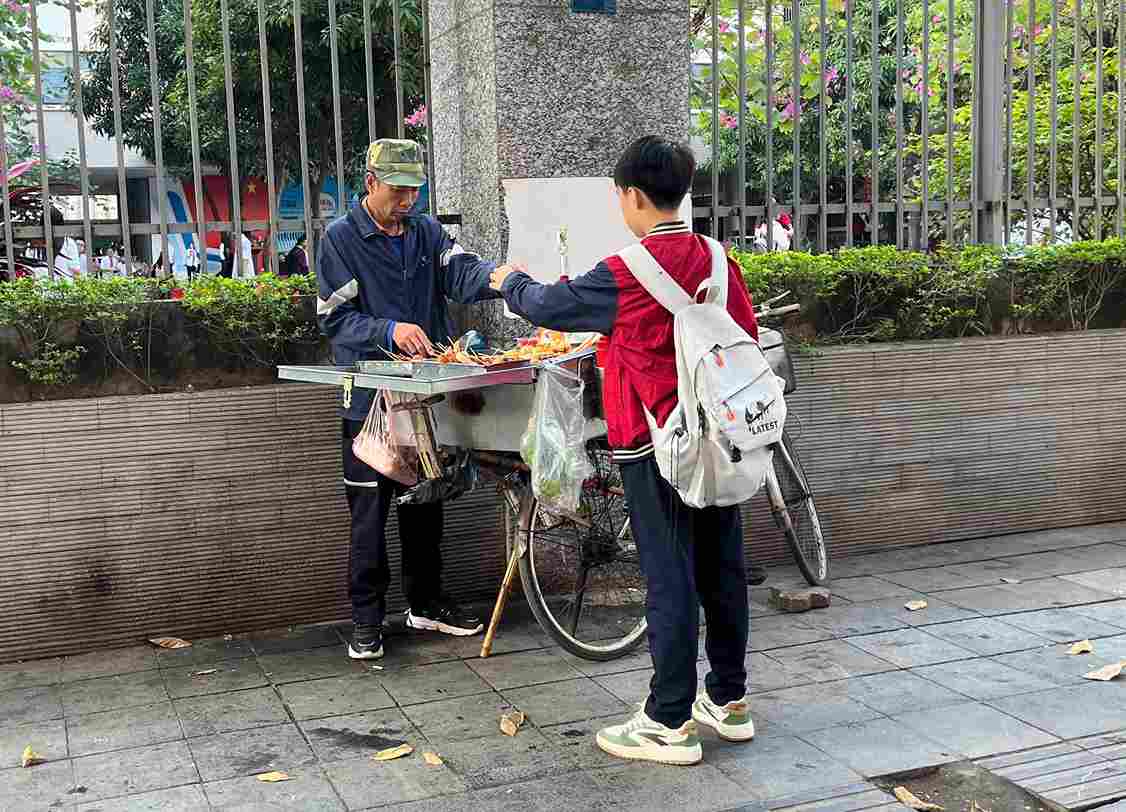
The owner shared: "I have been selling here for more than ten years. Before, each skewer was only about 2,000 VND, now imported goods are more expensive, so it has increased to about 3,000 VND depending on the type. The spicy skewers that students like, are cheap but sold in large quantities, so the profit is quite good. Seeing the children eating a lot, I just import and sell them.
According to the seller, during peak hours, every afternoon can be consumed with hundreds of skewers of all kinds. The high demand from students is the reason why stalls are constantly expanding their products, despite many limitations in processing and preservation conditions.
" spicy Que" catches the eye, unknown origin
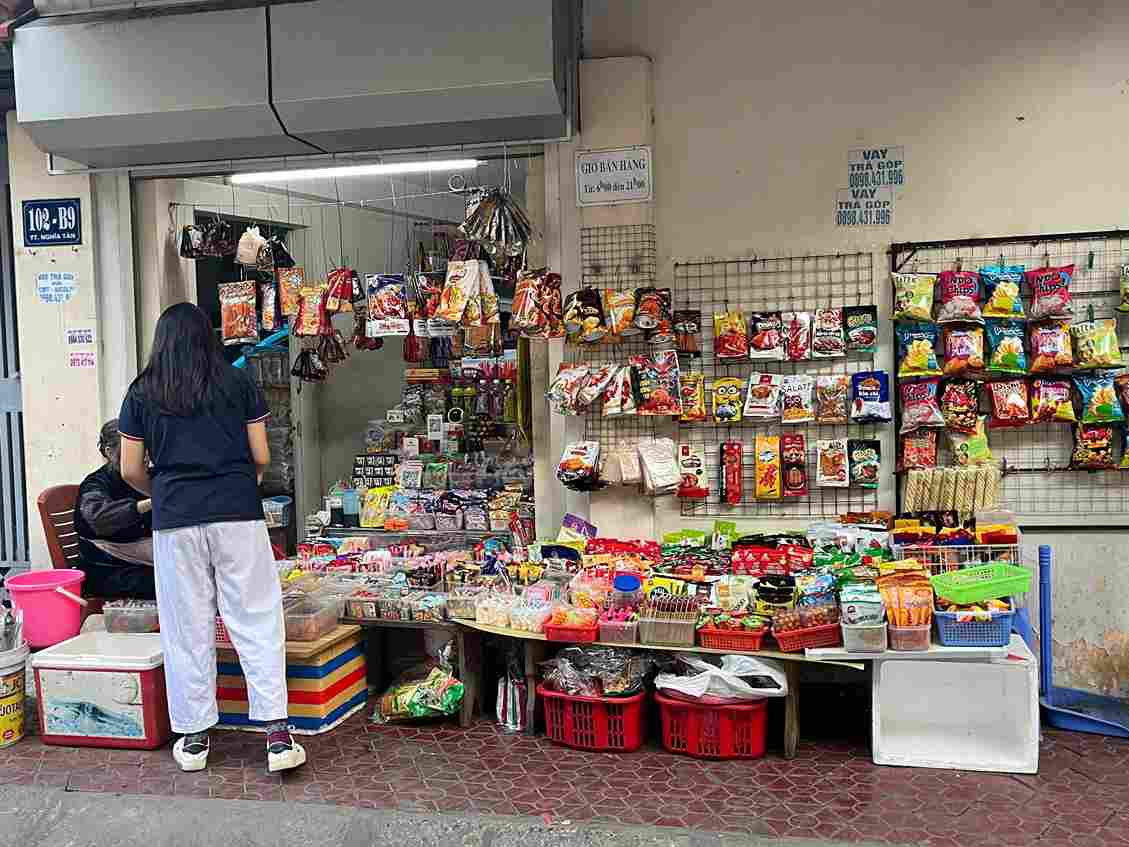
Also in the school gate area, " Spicy cups" are commonly sold at small grocery stalls. Unlike the "dirty skewers" sold on the roadside, " Spicy soup" is often packaged with colorful packaging, the eye-catching spicy red color, easily making students curious and considering this a "hot trend" dish.
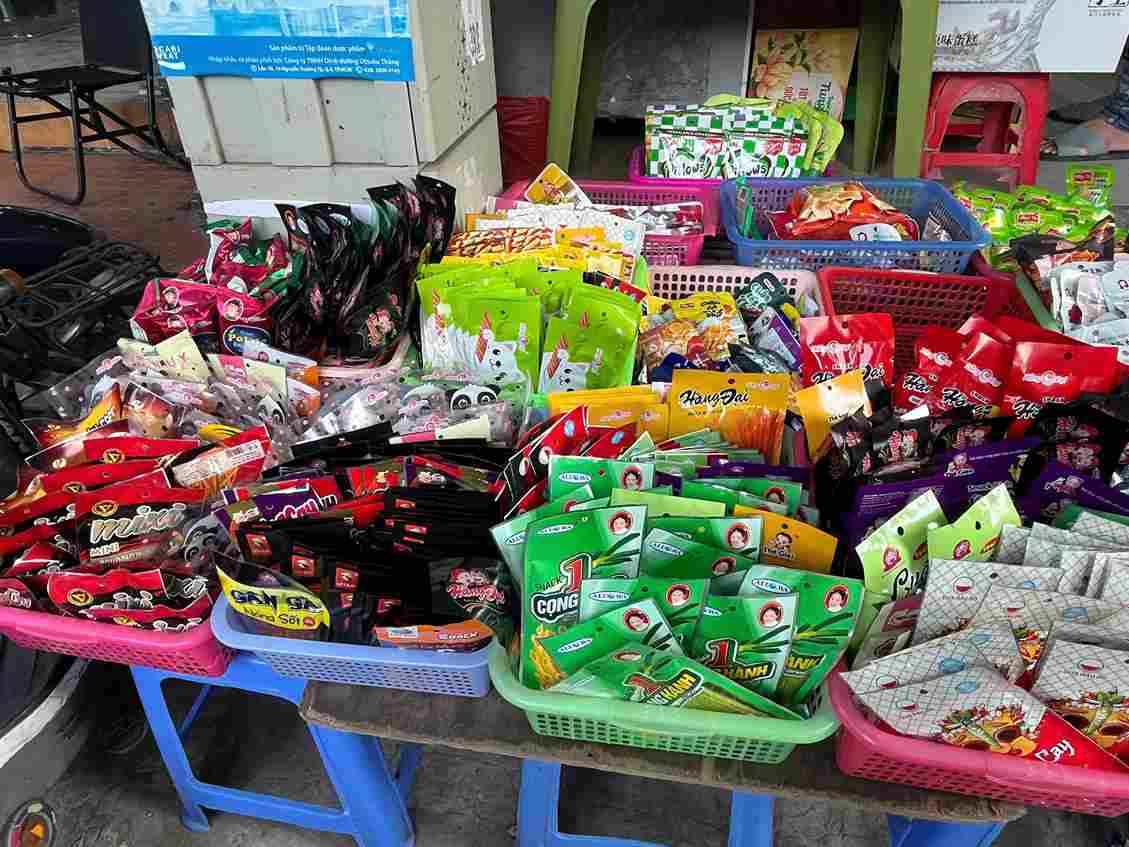
Students don't know what ingredients to make but ... still eat
More worryingly, " Spicy soup" often contains large amounts of spicy spices, salt and colorants. For the digestive system that is still immature, regular use can cause stomach irritation, digestive disorders, and long-term effects on students' health.
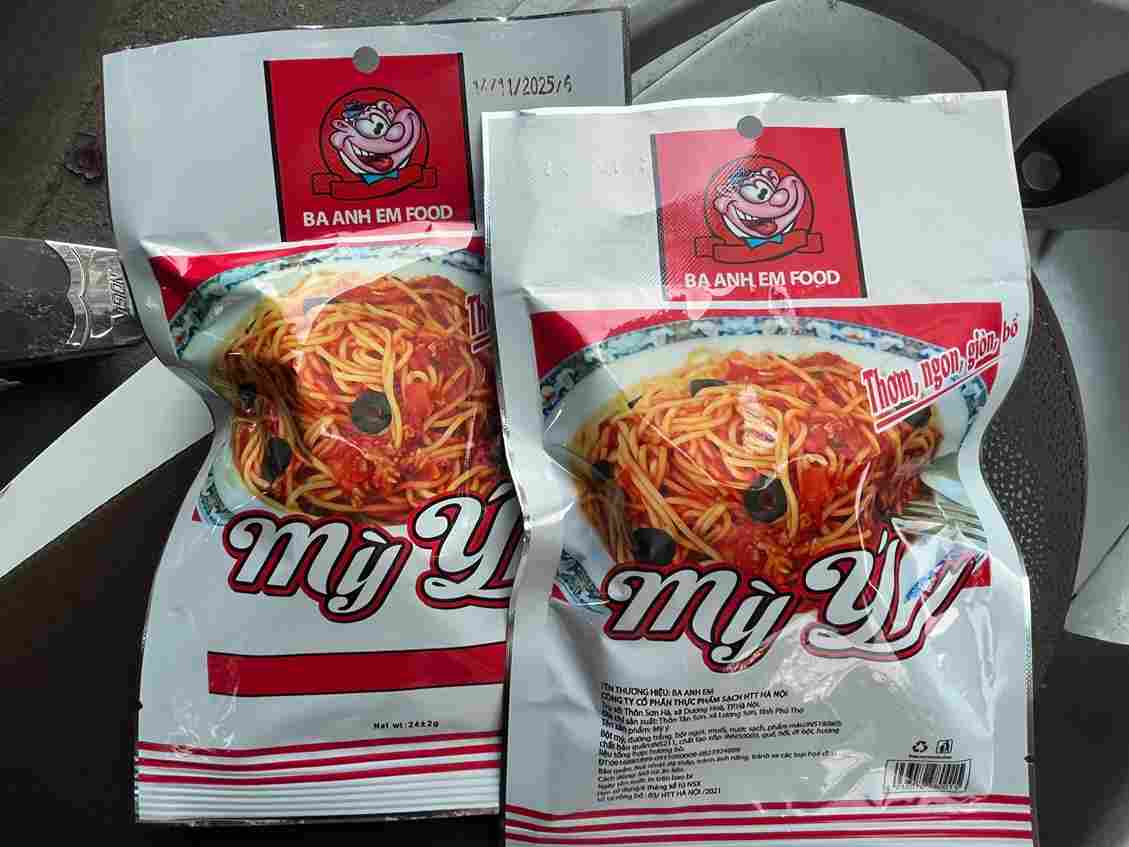
However, most of these products are said to be imported, with unclear ingredients, production dates and expiration date. The packaging even introduces dishes with names such as "Yaltyalty", "Hot Chicken Hanh" - which are famous dishes, representing the cuisine of a country or familiar in daily meals.
However, when opened, inside were just pieces of cakes, sticky and spicy sticks, without any bread, and it was unclear where the "potholes" were or how the "hot fever" was expressed. This ambiguous, copper naming makes consumers easily mistaken about the nature of the product, while hiding the real origin and quality of the food being sold.
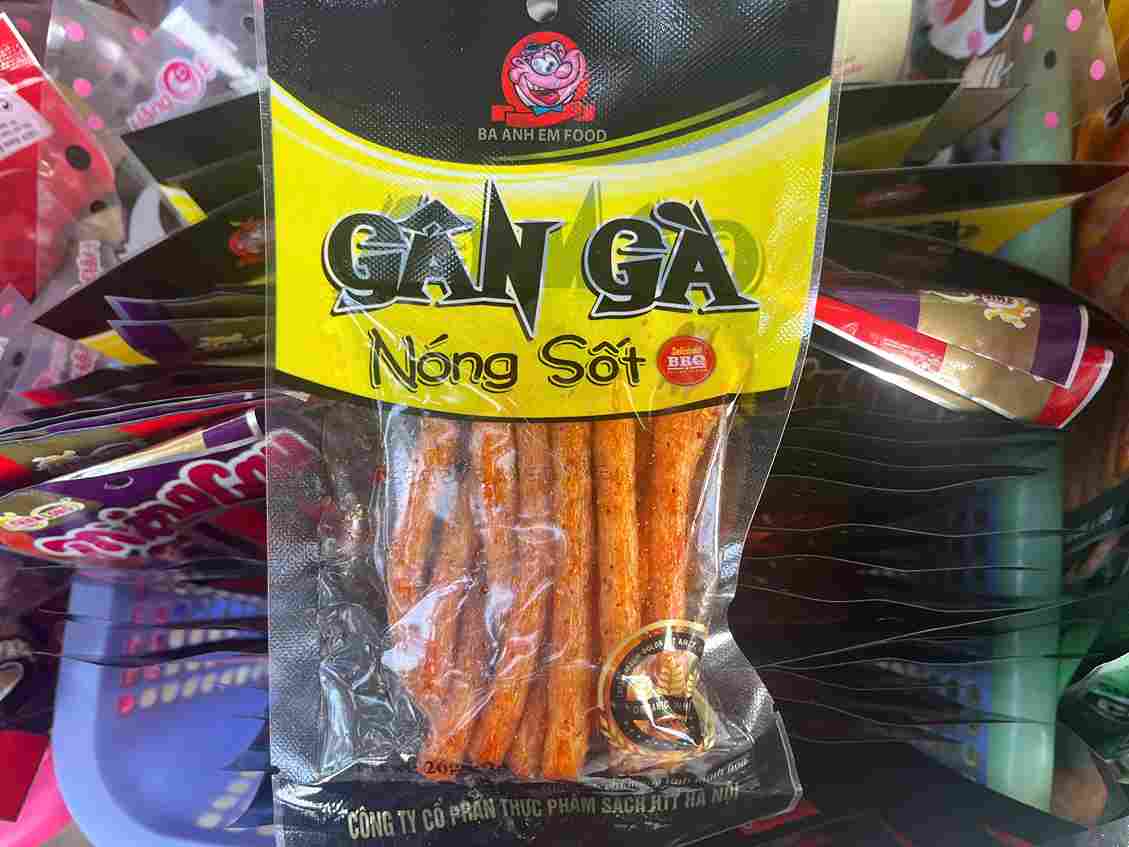
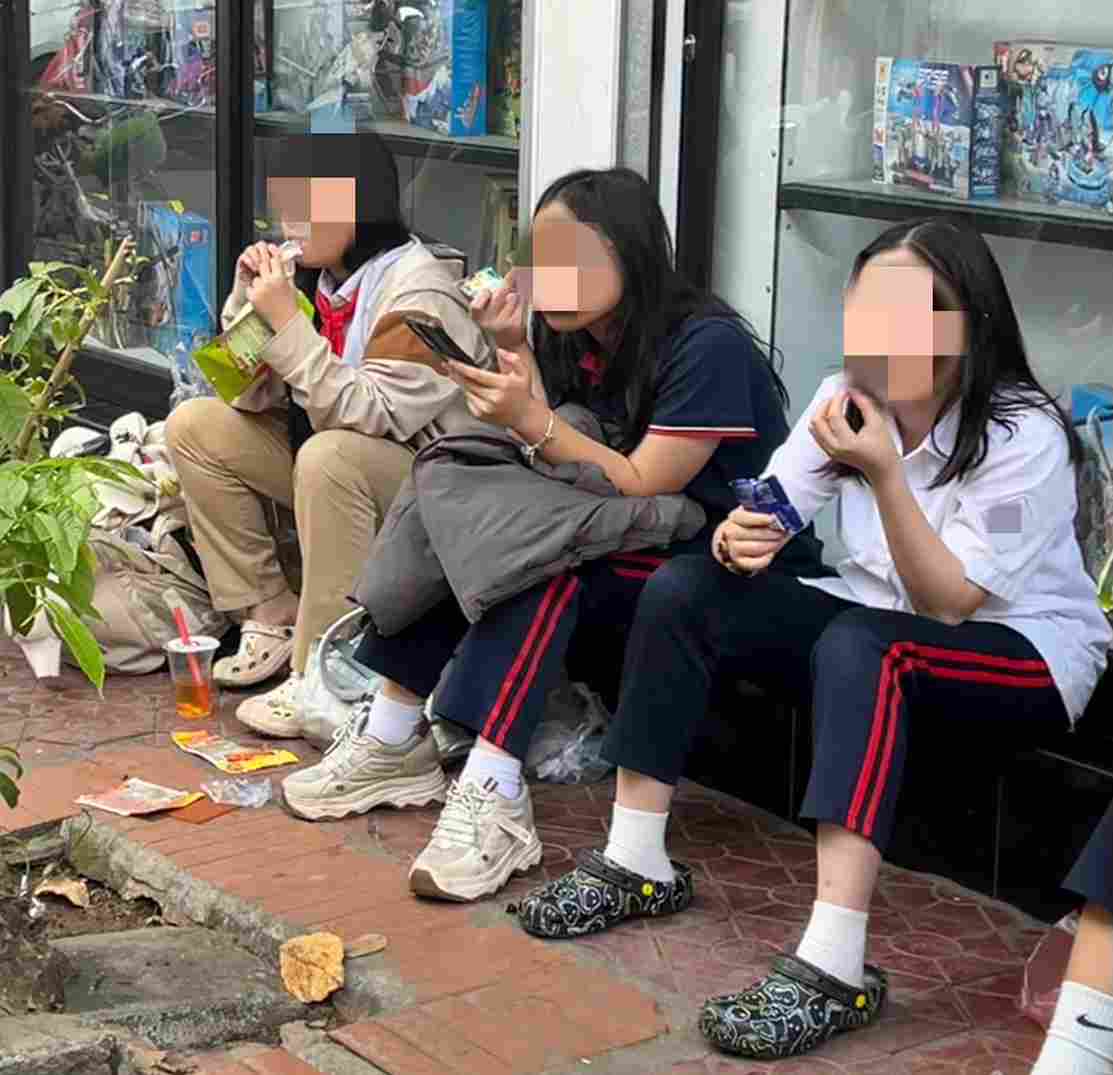
Sharing about her habit of using this type of food, Nguyen Quynh Anh (Dong Da, Hanoi) said that because she saw her friends eating a lot, she also bought it. "At first, I found it spicy, but the more I got used to it, the more I liked it. We were joking around not knowing if it was made from toilet paper or cardboard, but because it was cheap and easy to eat, we still bought it, said Quynh Anh.
Management loopholes and the problem of protecting school health
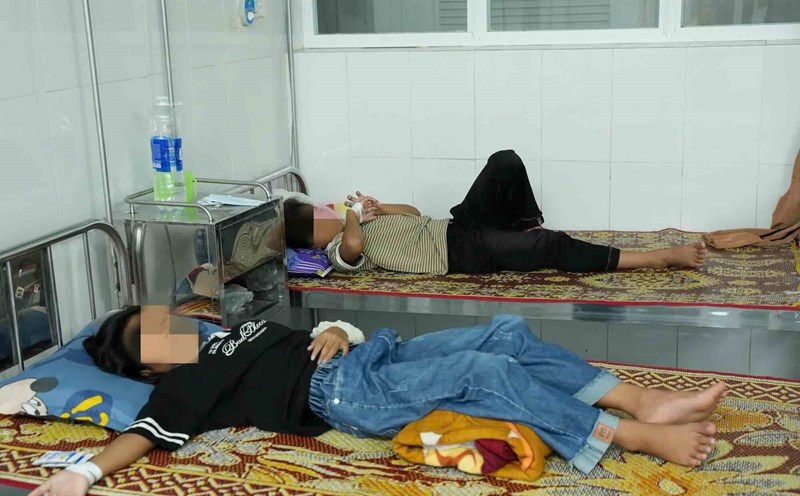
The Food Safety Department, Ministry of Health has issued warnings about the risk of food safety on the streets, especially shops that do not meet hygiene standards such as 'dirty elephant grilled' boxes... along the road, which pose a potential risk of food poisoning, infections and long-term accumulation of toxins for consumers...
'Dirty skewers' are popular in crowded areas such as school gate sidewalks, street markets, roadsides... with the potential risk of food poisoning, infections and long-term accumulation of toxins for consumers,
"Dirty skewers" often have the following characteristics: Using ingredients of unknown origin, rotten, spoiled meat or poor quality frozen foods. Cheap phuge, coloring, and spices to cover the bad smell or increase the intensity of artificial richness. Using fried oil to fry many times, creates substances that are harmful to health. Processing and selling in dusty, uncovered areas, near the road, lacking hygiene. Baked utensils (barbecue, skewers, trays...) are not clean and are susceptible to infection.
Bake in dusty places, close to the road, without covering, leading to food contaminated with dirt and bacteria from the air. The seller does not comply with personal hygiene standards such as not wearing gloves or masks when processing.
Consuming unsanitary foods, especially grilled 'dirty xien' can cause many serious health risks: Food poisoning: causes stomach pain, diarrhea, acute vomiting. gut infections: from bacteria such as E.coli, Salmonella, plaque buildup... leading to prolonged digestive disorders. Long-term accumulation of toxins: fried oil that is re- fried many times can easily create carcinogens.
Parasite infections: if the meat is not grilled thoroughly or ingredients from infected animals.
However, in reality, unsanitary snail shops still blatantly exist, the responsibility belongs not only to the seller but also requires tightening management from local authorities, schools and families.
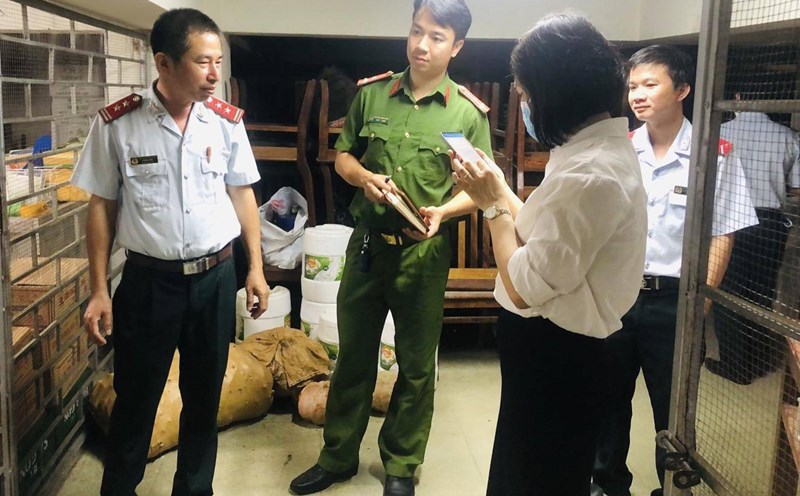
Strengthening inspection and handling of points of sale that do not ensure food safety, while raising awareness for students about safe food choices, is something that needs to be done resolutely and synchronously.
Because otherwise, today's "famous - affordable" dishes could become a silent danger, affecting the health of an entire generation in the long run.