
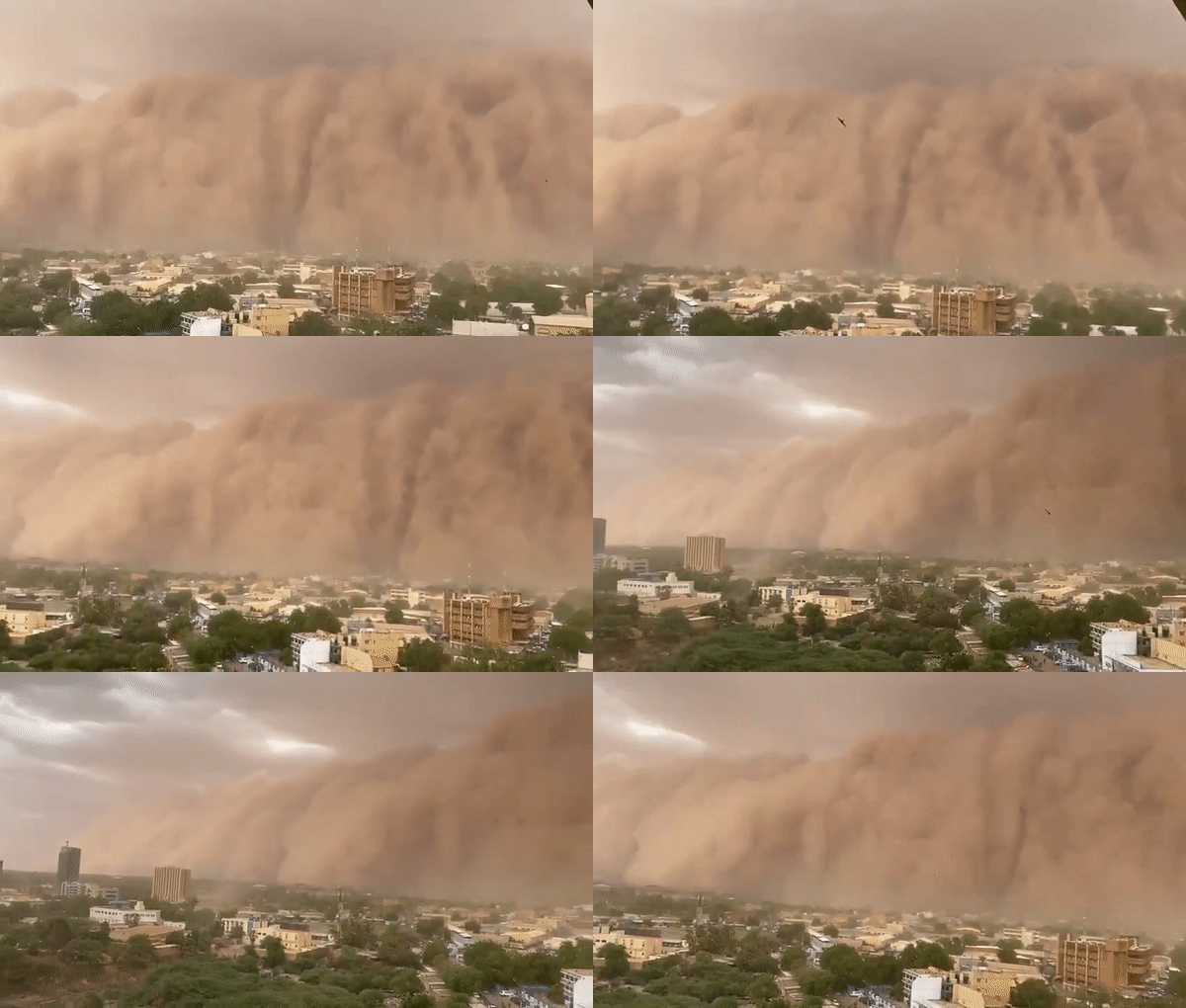
Cơn bão cát kinh dị quét qua Niamey hôm 4.5. Cảnh tượng mà các nhân chứng mô tả là "ấn tượng và đáng sợ" đã được ghi lại - theo RT.
Những bức "tường cát" cao hàng trăm mét nuốt chửng thành phố, biến ngày thành đêm với bất kỳ ai trên đường đi của nó.
Mặc dù Niamey không có báo cáo về thiệt hại hoặc thương tích nào sau cơn bão cát, những cơn bão bụi được cho là gây ra một số bệnh - như viêm màng não do vi khuẩn - ở khu vực Sahel, trải dài khắp Bắc Phi, từ Eritrea đến Senegal.
Theo nghiên cứu được công bố vào năm 2016, gió mạnh có thể mang các hạt, bao gồm cả vi khuẩn truyền nhiễm, xâm nhập sâu vào đường hô hấp - cho thấy bão cát có thể đóng vai trò trong việc bùng phát một số bệnh.
Bão cát phổ biến trên sa mạc Sahara, đặc biệt là ở những vùng khô cằn ở Tây Phi trong mùa khô, được gọi là Harmattan, thường kéo dài từ tháng 1 đến tháng 4.


