
Thế lực hùng mạnh, đa dạng
Hung Nô - đế chế du mục thống trị thảo nguyên châu Á trong 3 thế kỷ, từ năm 200 trước Công nguyên - buôn bán hàng hóa trên Con đường tơ lụa, xây dựng những ngôi mộ công phu cho người chết và chinh phục những vùng đất xa xôi trên lưng ngựa.
Đế chế Hung Nô đã chứng kiến cuộc xung đột với đối thủ lớn là Trung Quốc, dẫn đến việc Trung Quốc xây dựng Vạn Lý Trường Thành - công trình vẫn còn tồn tại cho đến ngày nay.
Tuy nhiên, không có ghi chép bằng văn bản nào về đế chế này và người dân của họ, ngoại trừ những ghi chép do các nhà biên sử Trung Quốc viết, những người coi Hung Nô là những kẻ man rợ.
Tuy nhiên, hiện nay, bằng chứng ADN cổ xưa, kết hợp với thành quả của các cuộc khai quật khảo cổ gần đây, đang tiết lộ những bí mật của một trong những lực lượng chính trị hùng mạnh nhất của thời đại bấy giờ.
Một nhóm các nhà khoa học quốc tế đã hoàn thành cuộc điều tra di truyền từ 2 nghĩa trang dọc theo biên giới phía tây của đế chế Hung Nô ở Mông Cổ ngày nay: Một nghĩa trang dành cho giới thượng lưu quý tộc tại Takhiltyn Khotgor và một nghĩa trang dành cho giới thượng lưu địa phương tại Shombuuzyn Belchir.
Các nhà khoa học đã sắp xếp trình tự bộ gene của 17 cá thể được chôn cất trong 2 nghĩa trang và tìm thấy mức độ di truyền đa dạng “cực kỳ cao”, cho thấy có khả năng đế chế này đa sắc tộc, đa văn hóa và đa ngôn ngữ, theo nghiên cứu mới công bố trên tạp chí Science Advances.
Sự đa dạng di truyền được tìm thấy trong các cộng đồng riêng lẻ. Điều này cho thấy đế chế Hung Nô không chỉ là sự chắp vá của những nhóm đoàn kết lại vì mục đích chung.
“Chúng tôi hiện có ý tưởng tốt về cách thức Hung Nô mở rộng đế chế của họ thông qua kết hợp các nhóm khác nhau và tận dụng hôn nhân, quan hệ họ hàng để xây dựng đế chế” - tác giả cao cấp Choongwon Jeong - Phó Giáo sư khoa học sinh học tại Đại học Quốc gia Seoul, Hàn Quốc - cho biết.
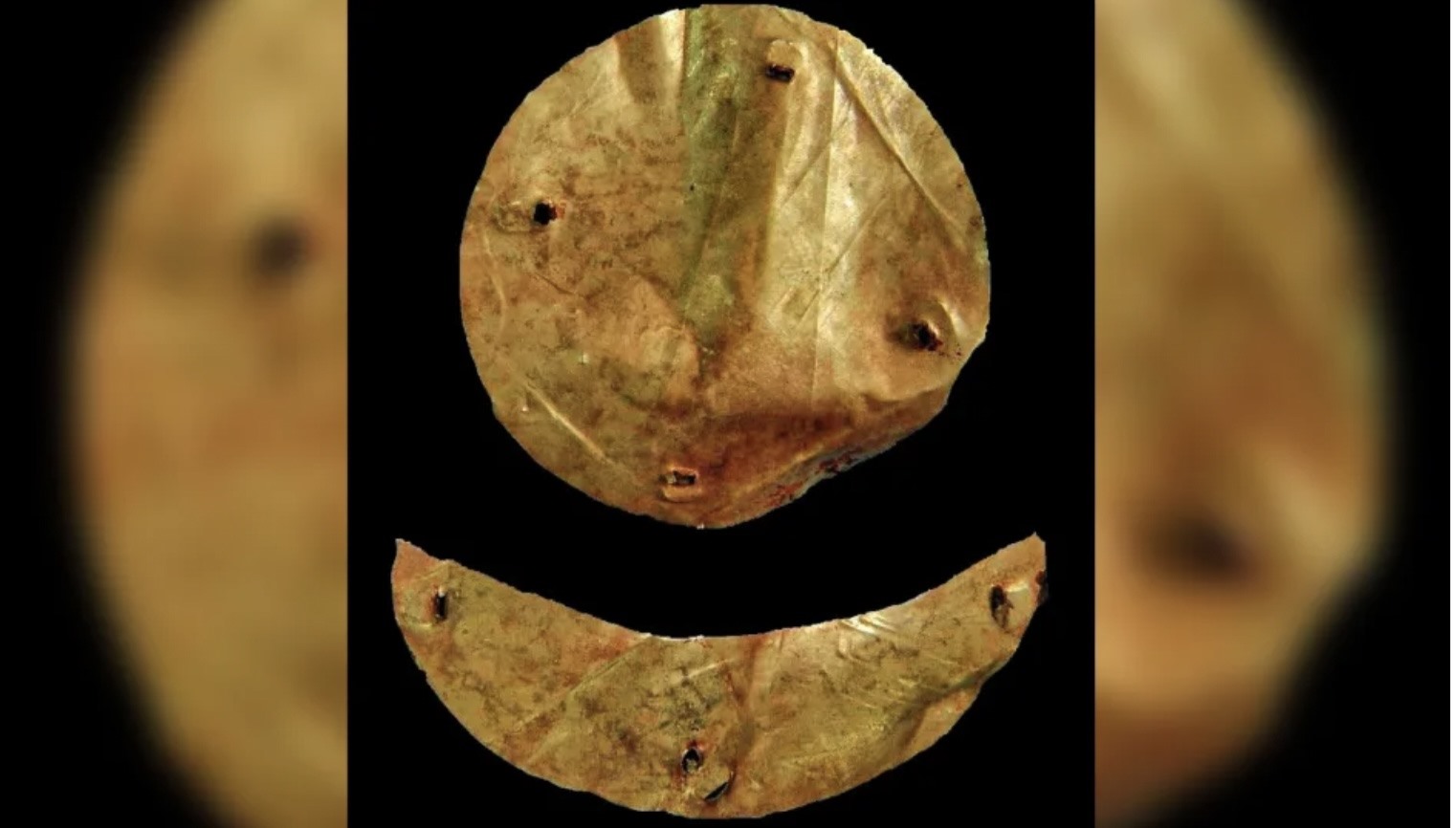
Trong số những ngôi mộ riêng lẻ được nghiên cứu, những ngôi mộ có địa vị cao nhất thuộc về phụ nữ, cho thấy phụ nữ đóng vai trò đặc biệt quyền lực trong xã hội Hung Nô.
Những chiếc quan tài tinh xảo có biểu tượng mặt trời và mặt trăng bằng vàng vốn là biểu tượng quyền lực của người Hung Nô. Một ngôi mộ khai quật có chứa hài cốt của 6 con ngựa và 1 cỗ xe.
Bryan Miller - Giáo sư nghệ thuật Trung Á và khảo cổ học tại Đại học Michigan, Mỹ - nhận định: “Những người phụ nữ này rất được tôn kính với nhiều lễ vật từ tất cả những người tham dự đám tang của họ, thể hiện tầm quan trọng liên tục của họ trong cộng đồng trong suốt cuộc đời”.
Nghiên cứu cũng tiết lộ thông tin về cuộc sống của trẻ em Hung Nô. Những bé trai vị thành niên, giống như nam giới trưởng thành, được chôn cùng với cung tên trong khi những bé trai dưới 11 tuổi thì không.
“Trẻ em được đối xử khác nhau trong tang lễ tùy thuộc vào độ tuổi và giới tính, đưa ra manh mối về độ tuổi mà ở đó giới tính và địa vị được xác định trong xã hội Hung Nô” - Phó Giáo sư Christina Warinner - Viện Nhân chủng học Tiến hóa Max Planck - cho hay.
Di sản mạnh mẽ
Ursula Brosseder - nhà khảo cổ học thời tiền sử tại Đại học Bonn, người không tham gia vào nghiên cứu này - nhận định, nghiên cứu đã cung cấp những thông tin sâu sắc hơn về kết cấu xã hội và xã hội của người Hung Nô.
Giáo sư Brosseder nói thêm, Hung Nô thường bị hiểu lầm vì hầu hết thông tin về đế chế này cũng như các dân tộc khác có nguồn gốc từ thảo nguyên Á - Âu đều đến từ các văn bản của Trung Quốc và Hy Lạp cổ đại, nơi phần lớn những người chăn nuôi du mục bị coi là thấp kém.
Nhà nghiên cứu Miller nhận định, Hung Nô đã để lại một di sản mạnh mẽ truyền cảm hứng cho các chế độ du mục sau này bắt nguồn từ thảo nguyên Á - Âu như người Mông Cổ và Thành Cát Tư Hãn.
“Hung Nô là tên của một triều đại chứ không phải một dân tộc; nhưng chế độ triều đại đó đã tác động rất lớn đến các dân tộc trong vương quốc của họ và để lại một di sản mạnh mẽ ở Á-Âu” - ông nói.
Nhiều nhóm sau đó đã chiếm đoạt tên Hung Nô (Xiongnu hoặc Hunnu) khi thiết lập đế chế riêng trong nhiều thế kỉ sau khi Hung Nô diệt vong ở Nội Á.
“Và người Mông Cổ đã tiếp thu chính di sản mạnh mẽ này khi thành lập đế chế riêng nhiều thế kỉ sau đó” - ông nói thêm.


