
On July 30 (local time), the United Nations Economic Commission for Europe (UNECE) said that more than 434,000 hectares of forest have been burned across Europe since the beginning of 2026, amid the forest fire season continuing to be serious in many regions around the world.
According to Xinhua news agency, France and Spain are two of the countries most heavily affected.
In the Gironde region (France), fires have burned down about 42,000 hectares of pine forest, and forced tens of thousands of residents and tourists to evacuate.
Meanwhile, Spain is experiencing one of the most severe forest fire seasons in decades, with more than 200,000 hectares burned down, double the country's annual average.
The European Union (EU) also warned that the focus of the fires is shifting eastward, with Greece and Italy forecast to face a higher risk as hot weather, drought and strong winds will continue until early August.
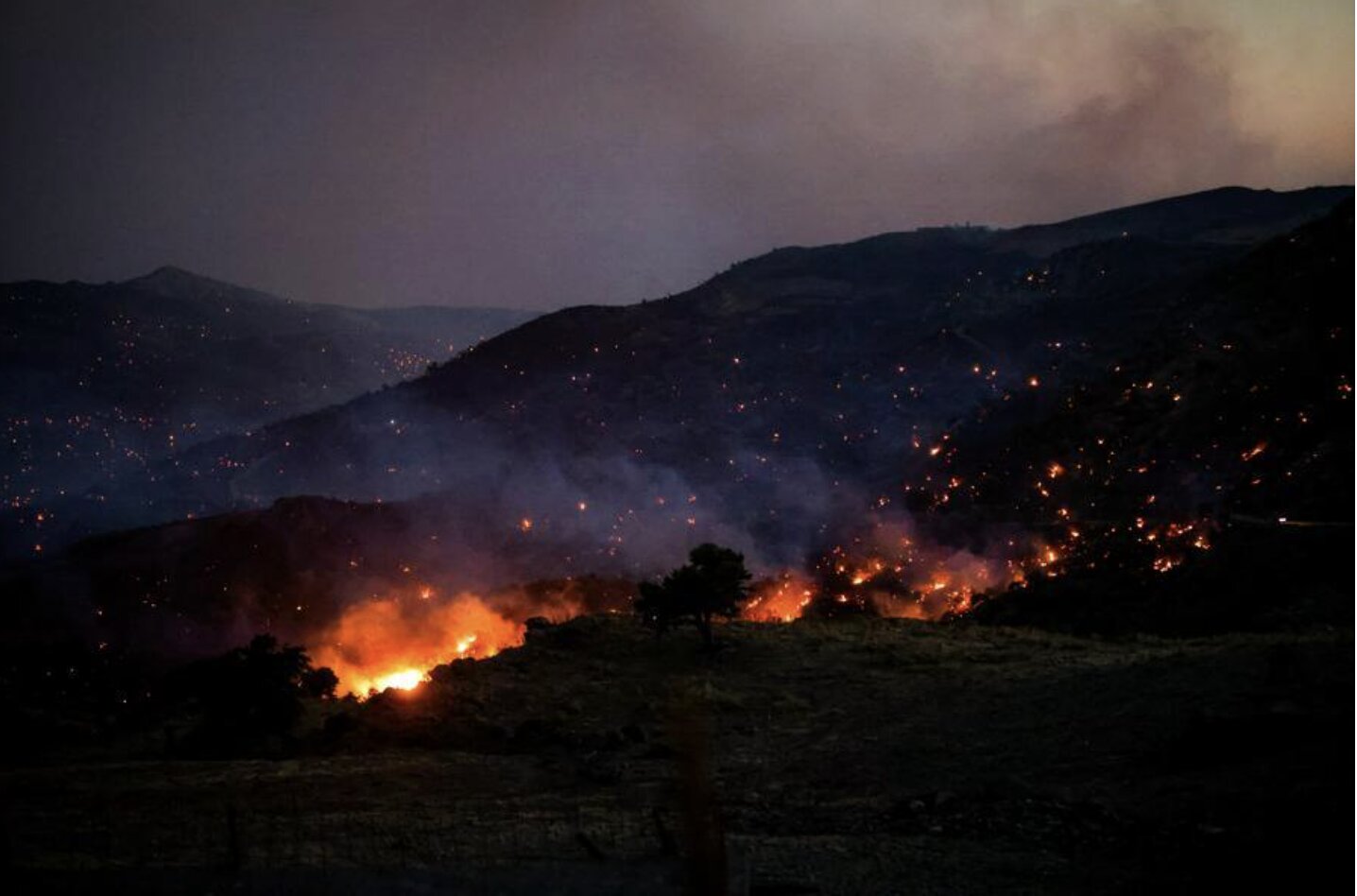
Not only Europe, North America also recorded an alarming situation.
In the US, the area of forest burned from the beginning of the year to date has reached about 1.849 million hectares. Meanwhile, Canada recorded more than 4,000 forest fires, burning down about 3.77 million hectares, with dozens of large fires still uncontrolled.
Director of the Environment and Forestry Department of UNECE, Ms. Paola Deda, said that forest fires are gradually becoming a predictable consequence of climate change.
Any summer reminds us that forest fires are no longer an abnormal phenomenon but are increasingly becoming an easily predictable consequence of warming climate. Although firefighting is still very important, the biggest opportunity lies in prevention, sustainable forest management and building ecosystems as well as communities with better resilience," she said.
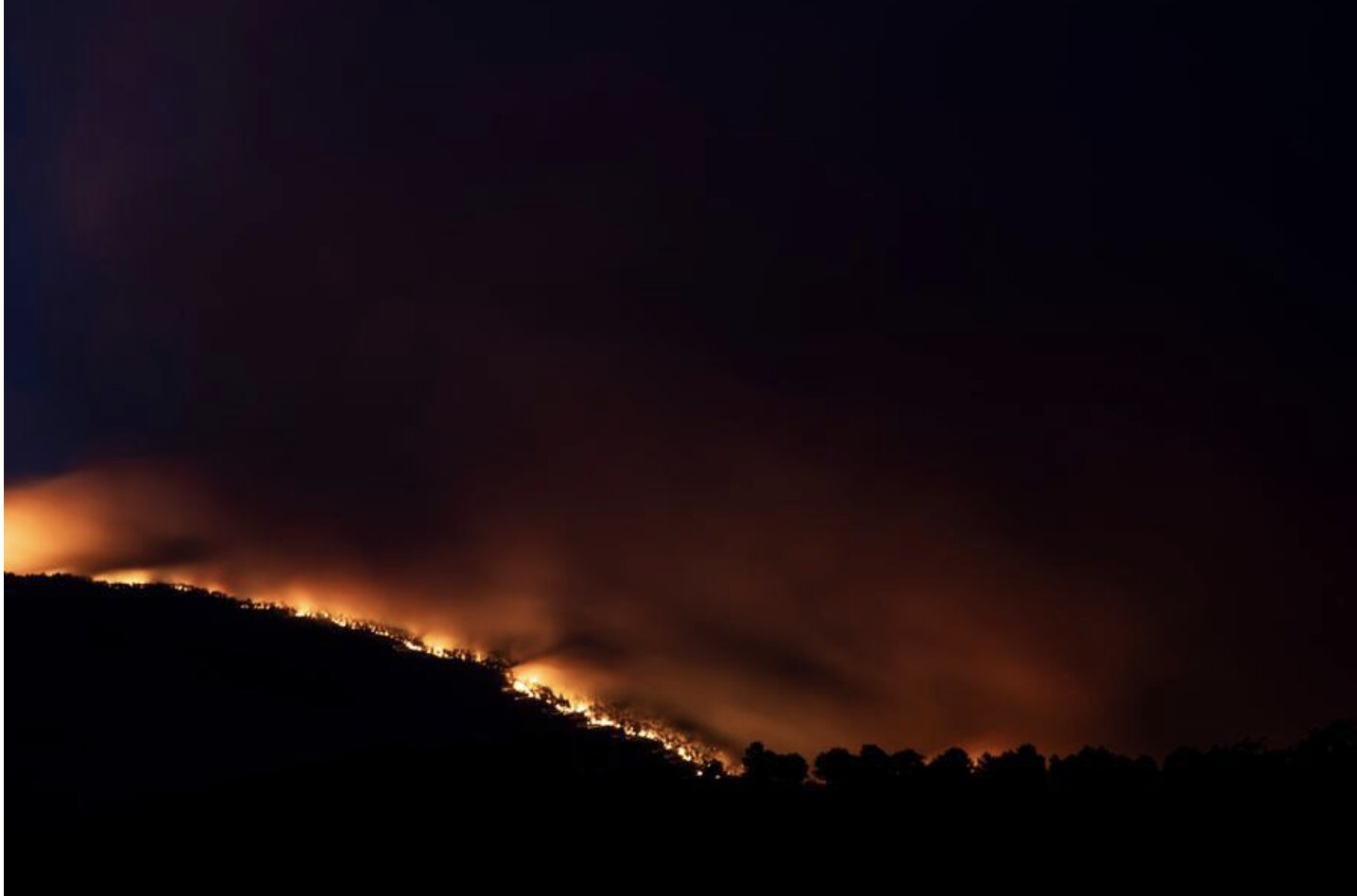
UNECE warns that forest fires not only take lives, destroy houses, infrastructure and livelihoods of people but also force many communities to evacuate. Smoke from fires can spread hundreds, even thousands of kilometers, reducing air quality and increasing respiratory and cardiovascular diseases even in areas far from the scene.
According to UNECE, climate change is causing forest fires to occur more frequently and fiercely, while large amounts of carbon emissions from fires continue to heat up the Earth, creating a dangerous vicious circle.
The organization also estimates that forest fires cause damage of about 2.5 billion euros (equivalent to about 2.88 billion USD) per year to the European Union due to destroying infrastructure, reducing tourism revenue and disrupting economic activities.
UNECE emphasizes that about 90% of forest fires originate from human activities, therefore, raising community awareness, strengthening management regulations and developing sustainable forest management models are key solutions to minimize the risk of forest fires in the future.


