The back-to-back crises, from Russia's gas cuts to trade tensions with China, have exposed the European Union's (EU) weakness: Over-reliance on external strategic supplies.
To cope, the EU is working to find a way out through a multi-layered strategy, combining diplomacy, industry and financial leverage, to regain strategic autonomy.
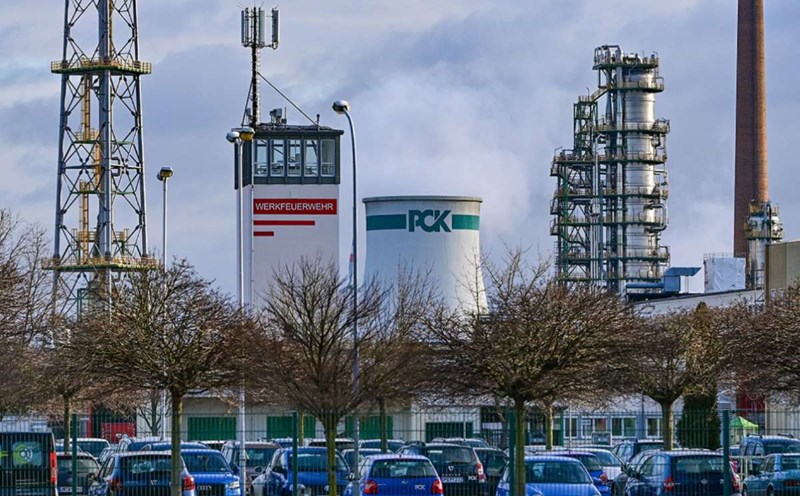
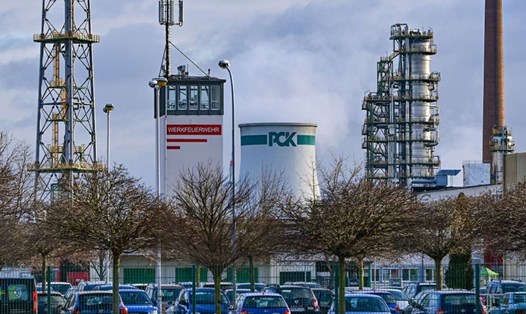
In the energy sector, lessons from dependence on Russian gas have prompted the EU to take drastic action. The RE PowerEU strategy is being urgently implemented immediately after 2022. The most concrete step is that member countries on October 20 agreed on a roadmap to set a deadline for early 2028 to completely eliminate gas imports from Russia.
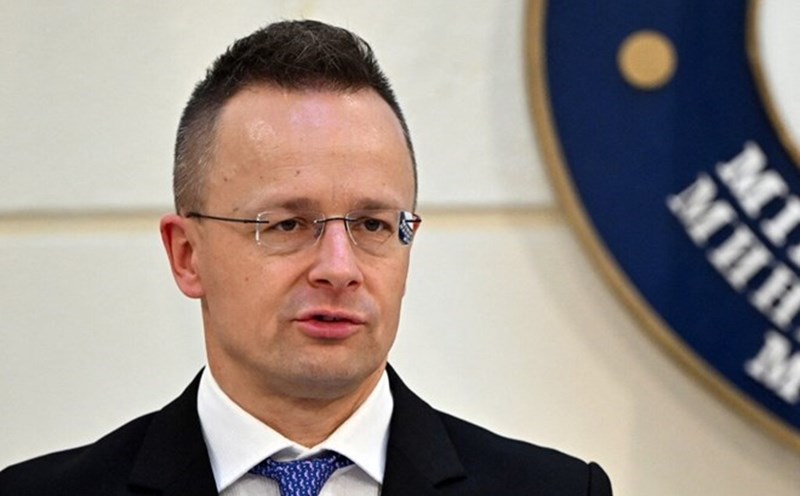
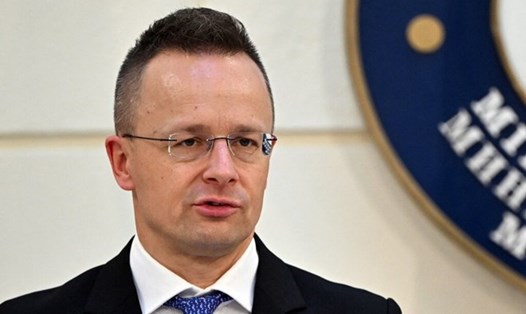
In return, the EU is increasing LNG imports from the US and Qatar and seeking new pipeline agreements with Norway and Azerbaijan. However, opposition from members such as Hungary, which said on October 25 that it could not abandon Russian oil for practical geographical reasons, showed the challenges of reaching a full consensus.
For rare earths and metals, according to official EU figures, the bloc imports up to 90% of rare earths and important metals from China, and up to 100% for especially rare types.
This concern is further heightened after China's tightening of rare earth export control on October 16.
To respond, the Law on Important Raw Materials (CRMA), effective from May 2024, has set ambitious targets for supply autonomy (10% self- exploitation, 40% refinement, and 15% recycling of demand by 2030).
Specifically expressing this goal, the European Commission (EC) outlines 4 main pillars in the ResourceEU strategy: Diversifying global supply (cooperating with Australia, Canada, Chile...), enhancing domestic capacity (investing in exploitation, refining in Europe), promoting the circular economy (recycling, reusing), and enhancing resilience (strategian reserves, joint purchases).
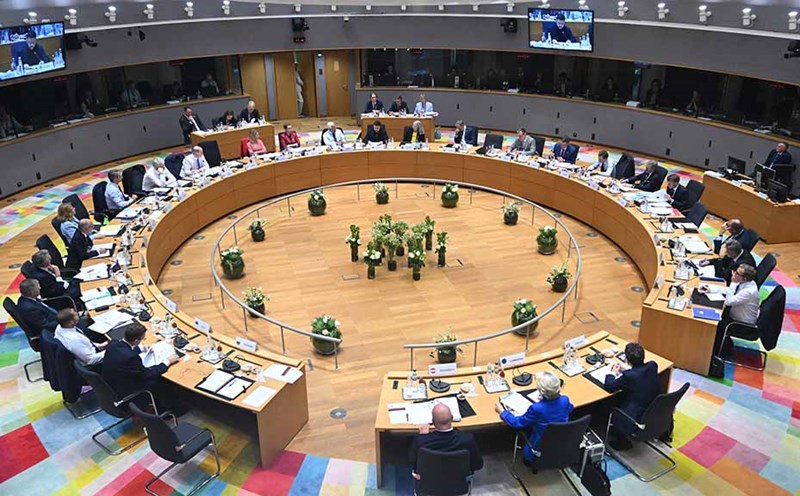
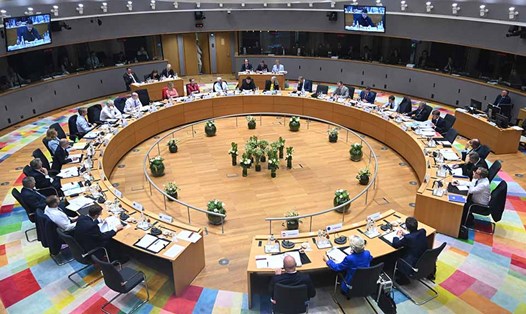
In addition to supply solutions, the EU also uses financial and diplomatic instruments. The controversial plan to use the profits from about $215 billion in frozen Russian assets to support Ukraine was "blue-lighted" by EU ambassadors on October 21 and discussed at the EU summit on October 23. At the same time, the bloc is also preparing to launch its 20th package of sanctions targeting Russia.
Although the EU's strategy is quite comprehensive, supply autonomy still faces countless challenges on many fronts, from international competition to internal barriers.