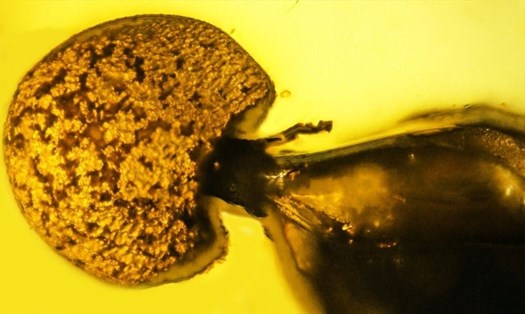
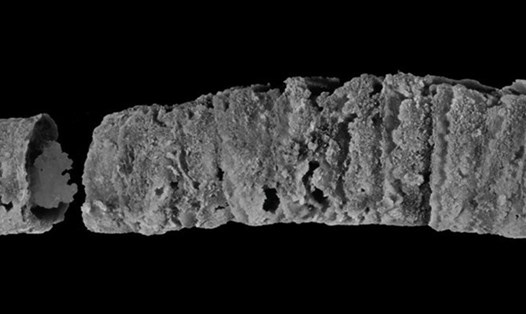
Hóa thạch nhện, ve sầu, ong bắp cày, thực vật và cá, có niên đại từ 11 triệu đến 16 triệu năm trước trong thế Trung Tân đang vẽ nên bức tranh sống động về hệ sinh thái rừng nhiệt đới phong phú trước đây của Australia.
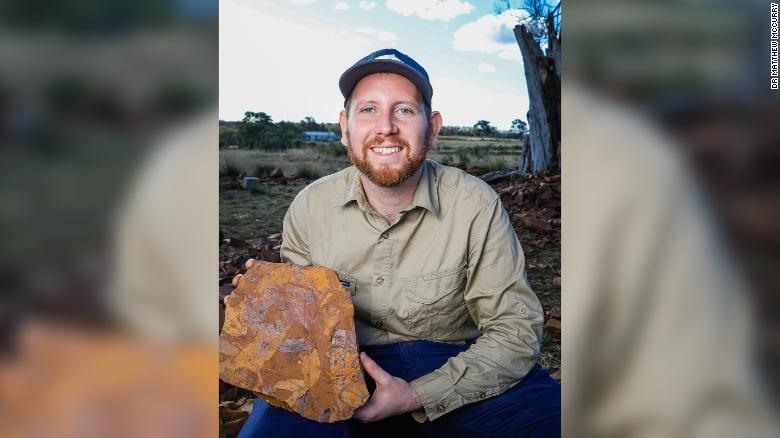
Matthew McCurry, nhà cổ sinh vật học tại Viện Nghiên cứu Bảo tàng Australia, tác giả của nghiên cứu về địa điểm hóa thạch mới được đăng trên tạp chí Science Advances ngày 7.1, cho hay: "Đây là địa điểm hóa thạch cực kỳ quan trọng. Nơi đây có mọi thứ mà chúng tôi hy vọng, các hóa thạch được bảo quản đặc biệt tốt từ thời mà chúng ta không biết nhiều về nó".
"Thế Trung Tân là thời điểm mà hầu hết môi trường hiện đại của Australia được thiết lập vì vậy địa điểm hóa thạch này thực sự là câu chuyện nguồn gốc của Australia" - ông nói thêm.
Trong thế Trung Tân, lượng mưa giảm khiến các khu rừng nhiệt đới trên khắp thế giới bị thu hẹp, dẫn tới các cảnh quan ngày càng khô cằn.
Địa điểm hóa thạch này được đặt tên là McGraths Flat, nằm ở Central Tablelands, gần thị trấn Gulgong. Địa điểm do một nông dân địa phương phát hiện khi tìm thấy những chiếc lá hóa thạch trên cánh đồng. Ông McCurry và đồng nghiệp đã đến thăm và khai quật địa điểm này 7 lần.
“Những hóa thạch đẹp đến kinh ngạc và qua sử dụng kính hiển vi, chúng tôi có thể xem xét chi tiết và nhận thấy bề mặt của các hóa thạch cũng được bảo quản tốt một cách đáng kinh ngạc. Có thể nhìn thấy những chi tiết như các tế bào riêng lẻ và thậm chí cả các bào quan cũng được quan sát thấy. Mức độ chi tiết này cho phép chúng tôi nói nhiều hơn về diện mạo hệ sinh thái này" - ông chia sẻ.
Theo chuyên gia McCurry, địa điểm phát hiện hóa thạch này được hình thành từ đá giàu sắt, được gọi là Lagerstätte - thuật ngữ mà các nhà cổ sinh vật học người Đức sử dụng để mô tả một địa điểm đặc biệt với nhiều hóa thạch được bảo quản hoàn hảo. Các loài thực vật và sinh vật đã hóa thạch khi nước ngầm giàu sắt chảy vào một hố nước.