
Lễ Tạ ơn (Thanksgiving) ở phương Tây thường được coi là thời gian để gia đình và bạn bè quây quần bên nhau - và sau khi bữa tiệc đã tàn, hãy bước ra ngoài và ngắm nhìn bầu trời đêm đầy sao.
Trò chơi ba hành tinh
Khoảng 45 phút sau khi mặt trời lặn, hãy bước ra ngoài trong buổi hoàng hôn se lạnh của tháng 11 và nhìn về phía nam-tây nam của bầu trời. Ở đó bạn sẽ tìm thấy ba hành tinh sáng, thẳng hàng.
Đi từ phía dưới bên trái sang phía trên bên phải, bạn sẽ thấy sao Kim chói lọi, tiếp theo là sao Thổ mờ hơn nhiều và cuối cùng là sao Mộc rực rỡ. Từ sao Kim đến sao Mộc, toàn bộ đường đi sẽ trải dài 37 độ. Bàn tay nắm chặt của bạn giơ ra với chiều dài của cánh tay đo được xấp xỉ 10 độ, vì vậy, khi nói 37 độ, có nghĩa là tương đương với khoảng ba "nắm tay" rưỡi.
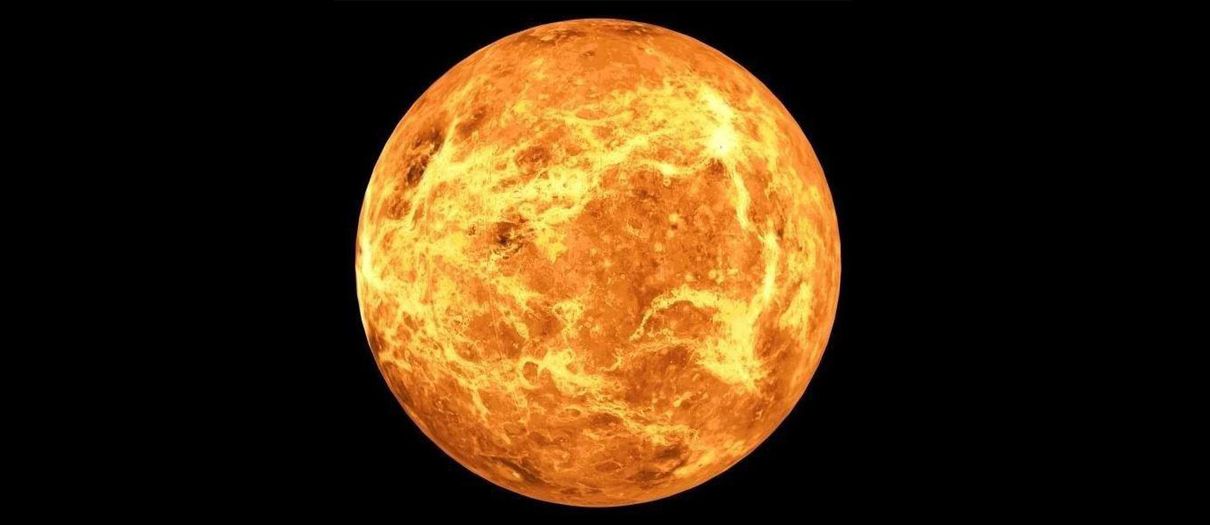
Từ sao Kim đến sao Thổ vào khoảng 20 độ - "hai nắm tay" - trong khi từ sao Thổ đến sao Mộc là 17 độ, gần nhau hơn một chút.
Cho đến nay, sao Kim là thiên thể sáng nhất trên bầu trời buổi tối của Lễ Tạ ơn năm nay. Rực sáng ở cấp sao biểu kiến -4,6, sao Kim vượt xa đối thủ cạnh tranh gần nhất là sao Mộc hơn 8 lần và sao Thổ 132 lần.
Sao Kim sáng đến mức khó tin vì những đám mây thường xuyên ẩn trên bề mặt của nó có tính phản xạ rất cao; hành tinh này cũng gần Trái đất hơn nhiều so với sao Mộc và sao Thổ. Ngoài ra, sao Kim gần Mặt trời hơn sao Mộc 7 lần và gần Mặt trời hơn sao Thổ 14 lần, vì vậy nó nhận được nhiều ánh sáng mặt trời hơn để phản chiếu.
Sử dụng kính thiên văn, bạn sẽ thấy sao Kim giống như một lưỡi liềm rộng, được chiếu sáng 32%. Hãy quan sát nhanh, vì sau 18h45, sao Kim sẽ ở quá thấp so với đường chân trời phía nam-tây nam để cung cấp hình ảnh ổn định.
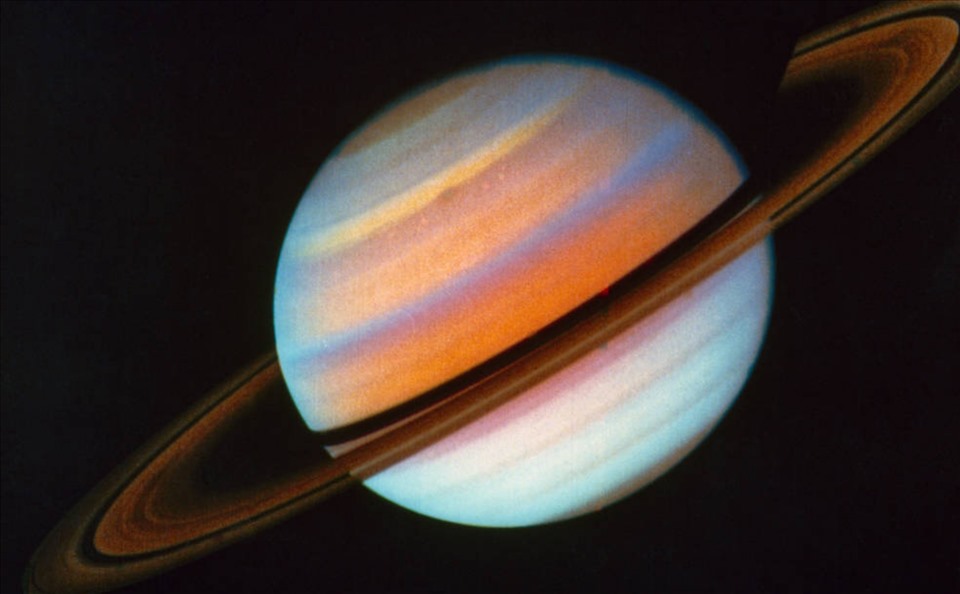
Sao Thổ không sáng như sao Kim không có nghĩa là vẻ đẹp của nó mờ nhạt. Trên thực tế, trong số 21 ngôi sao sáng nhất trên bầu trời, sao Thổ đang xếp cùng với sao Ngưu Lang ở vị trí thứ 12. Trong khi đó, sao Ngưu Lang là ngôi sao sáng nhất trong chòm sao Thiên Ưng.
Bất kỳ kính thiên văn nào phóng đại ít nhất 30 công suất sẽ hiển thị hệ thống vành đai nổi tiếng của sao Thổ. Chấm sáng mà chúng ta nhìn thấy là sao Thổ cách Trái đất 1,54 tỉ km. Nếu di chuyển với vận tốc 105km/h thì sẽ mất khoảng 614.000 ngày hay 1.680 năm để đến đó.
Sao Thổ sẽ vẫn được nhìn thấy cho đến khoảng 20h45 sau đó sẽ xuống thấp.
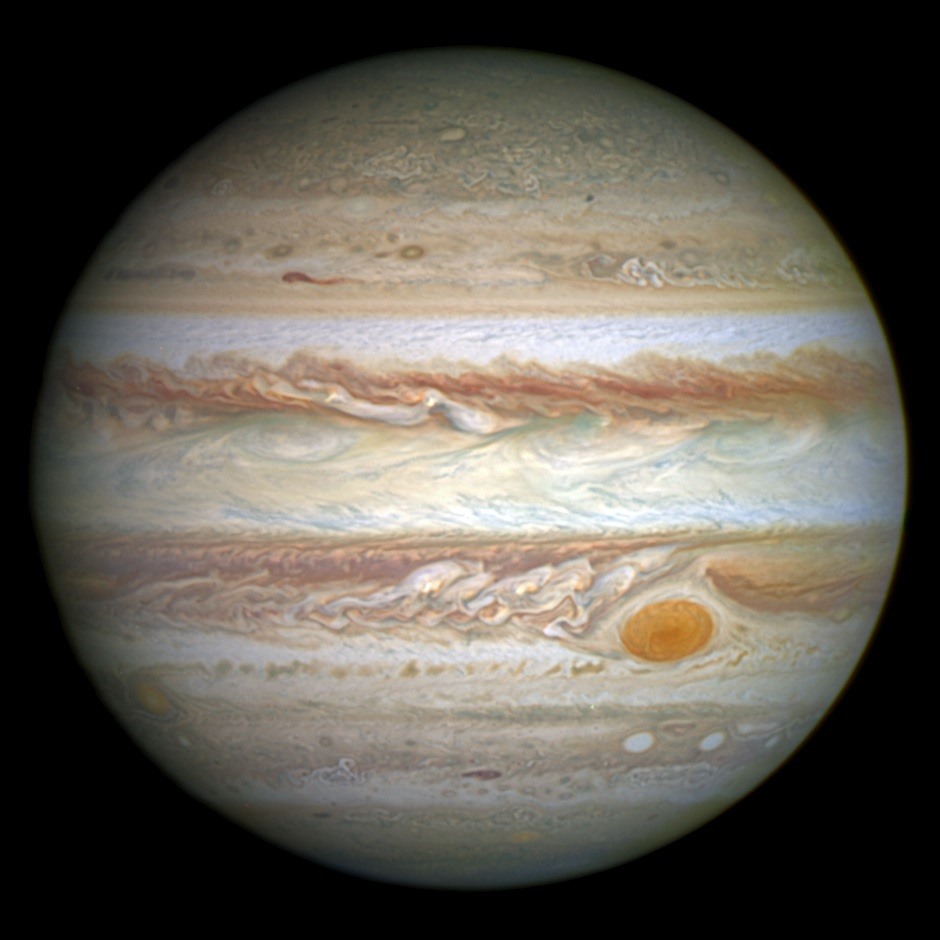
Cuối cùng là sao Mộc, qua kính thiên văn cho thấy một đĩa đầy đủ có kích thước biểu kiến lớn hơn một chút so với sao Kim. Tất cả 4 vệ tinh lớn của sao Mộc mà Galileo khám phá vào năm 1610 gồm Io, Europa, Ganymede và Callisto sẽ dễ dàng nhìn thấy. Ba vệ tinh sẽ thẳng hàng về một phía của hành tinh khổng lồ: Xa nhất từ sao Mộc sẽ là Callisto, sau đó đến Ganymede, trong khi Io sẽ gần sao Mộc nhất. Trong khi đó, đứng một mình ở phía bên kia của sao Mộc sẽ là Europa.
Sao Mộc sẽ vẫn ở trong tầm nhìn cho đến khoảng 22h.
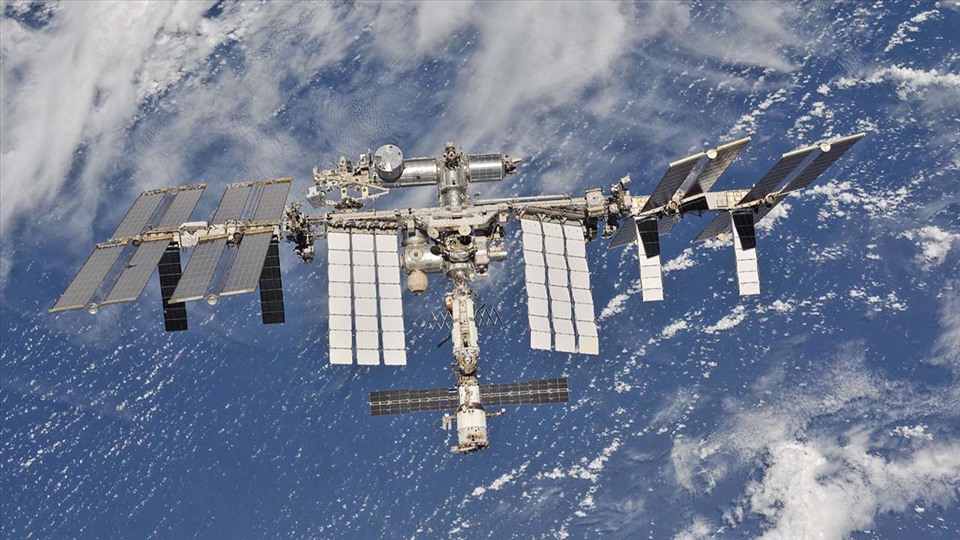
Vật thể lớn nhất do con người tạo ra hiện đang quay quanh Trái đất sẽ bay qua vùng tiếp giáp phía bắc Mỹ vào Lễ Tạ ơn. ISS xuất hiện dưới dạng một "ngôi sao" rất sáng, không lấp lánh với màu trắng vàng, di chuyển đều đặn trên bầu trời. Tùy thuộc vào đường đi chính xác của nó, nó có thể hiển thị trong vài phút hoặc hơn.
Hiện có 7 người trên ISS gồm 6 nam và 1 nữ; 2 người là phi hành gia Nga và 1 người là phi hành gia Đức của Cơ quan Vũ trụ Châu Âu, những người còn lại là phi hành gia Mỹ.


