
Tổ chức Khí tượng Thế giới (WMO) của Liên Hợp Quốc hôm 30.11 cho biết sau khi xuất hiện trong giai đoạn từ tháng 8.2020 đến tháng 5.2021, hiện tượng thời tiết La Nina sẽ quay trở lại và dự kiến kéo dài đến đầu năm 2022.
WMO cho hay, La Nina ảnh hưởng đến nhiệt độ và lượng mưa trên toàn cầu. Mặc dù La Nina thường khiến thời tiết lạnh hơn, nhưng năm nay nhiệt độ có thể duy trì trên mức trung bình ở nhiều nơi trên thế giới.
"Tác động làm mát của La Nina trong chu kỳ 2020-2021 thường được cảm nhận rõ trong nửa sau của chu kỳ, có nghĩa là năm 2021 sẽ là một trong 10 năm nóng nhất được ghi nhận, chứ không phải là năm nóng nhất" - Tổng Thư ký WMO Petteri Taalas cho biết trong một tuyên bố. Đây sẽ là khoảng dừng ngắn ngủi và không đảo ngược xu hướng Trái đất nóng lên trong thời gian dài hoặc làm giảm tính cấp bách của hành động khí hậu, theo ông Taalas.
La Nina - được dịch từ tiếng Tây Ban Nha là "cô bé" - là một hiện tượng khí quyển đại dương tự nhiên được đánh dấu bằng nhiệt độ bề mặt biển lạnh hơn mức trung bình trên khắp trung tâm và phía đông Thái Bình Dương gần xích đạo, do đó gây tác động đến thời tiết trên toàn thế giới.
La Nina thường mang lại điều kiện ẩm ướt và mát mẻ hơn mức trung bình cho Tây Bắc Thái Bình Dương, đặc biệt là trong mùa đông. Ngược lại, La Nina đem đến các điều kiện khô hơn và ấm hơn trung bình ở miền Nam nước Mỹ.
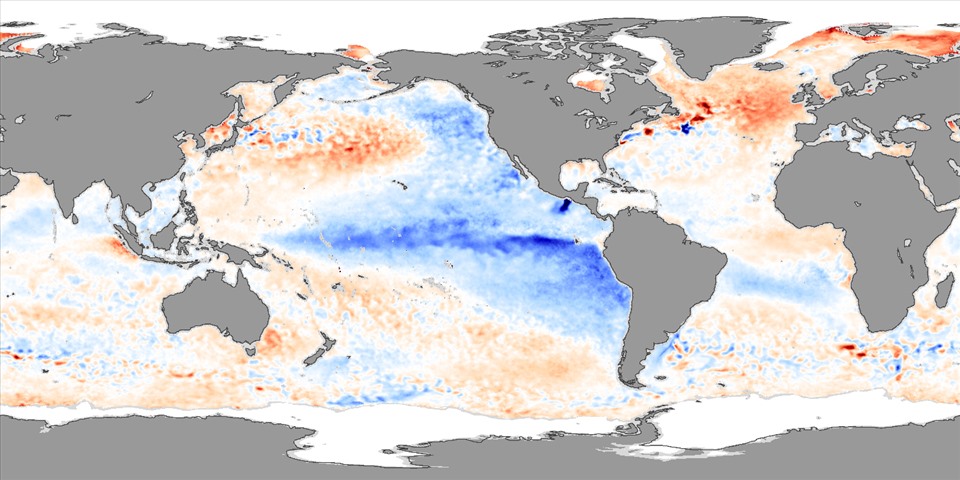
Hiện tượng La Nina có tác động rộng rãi đến thời tiết trên khắp thế giới - thường là những tác động ngược lại với hiện tượng El Nino, hiện tượng nóng lên có ảnh hưởng đến nhiệt độ toàn cầu. Nhưng WMO cảnh báo rằng sự nóng lên toàn cầu đang làm xấu đi và làm sai lệch tác động của các hiện tượng tự nhiên như vậy.
Cơ quan Khí tượng của Liên Hợp Quốc cho biết có 90% khả năng nhiệt độ bề mặt nước biển ở vùng biển nhiệt đới Thái Bình Dương sẽ chịu ảnh hưởng của La Nina cho đến cuối năm 2021 và có 70-80% khả năng mức nhiệt này sẽ duy trì đến quý 1 năm 2022.
Nhiều khu vực đất liền được dự báo sẽ có nhiệt độ trên mức trung bình, với mùa đông 2021 ấm bất thường dự kiến ở các khu vực phía Bắc và Đông Bắc của Châu Á và Bắc Cực.
Nhiệt độ được dự đoán là trên mức trung bình ở các khu vực phía Đông và Đông Nam của Bắc Mỹ, cũng như hầu hết các khu vực Châu Âu và Đông Bắc của Châu Á.
Nhiệt độ cao hơn bình thường cũng được dự báo ở khu vực gần xích đạo tại Châu Phi, bao gồm cả Madagascar vốn đã bị hạn hán, được coi là nơi đầu tiên trên thế giới phải đối mặt với nạn đói do biến đổi khí hậu.
WMO cho biết thời tiết ẩm ướt bất thường được dự đoán ở các khu vực Đông Nam Á và các khu vực phía Bắc của Nam Mỹ, trong khi điều kiện khô bất thường có thể xảy ra bên dưới đường xích đạo ở Nam Mỹ và ở các khu vực Nam Á và Trung Đông.


