
Tàu ngầm tấn công trị giá 8,5 tỉ USD
Cơ quan báo chí Hạm đội Thái Bình Dương của Mỹ hôm 7.10 xác nhận rằng tàu ngầm tấn công nhanh USS Connecticut lớp Seawolf của Hải quân Mỹ đã va chạm với một vật thể không xác định khi đang lặn sâu ở vùng biển quốc tế tại khu vực Ấn Độ Dương - Thái Bình Dương hôm 2.10.
Theo CNN, đây là một trong những môi trường dưới biển khó khăn nhất thế giới, nơi chứa đầy tiếng ồn từ các con tàu bên trên và đáy biển với những đường đi thay đổi liên tục có thể gây bất ngờ cho bất kỳ thủy thủ đoàn tàu ngầm nào.
Giới chức quốc phòng Mỹ không cho biết chi tiết về vụ tai nạn xảy ra với tàu USS Connecticut, chỉ nói rằng 11 thủy thủ trên tàu đã bị thương khi tàu va phải một vật thể không xác định lúc đang lặn dưới Biển Đông.
Một phát ngôn viên của Hải quân Mỹ nói với CNN rằng phần trước của tàu ngầm bị hư hại và sẽ có một "cuộc điều tra đầy đủ và đánh giá đầy đủ" về vụ việc.
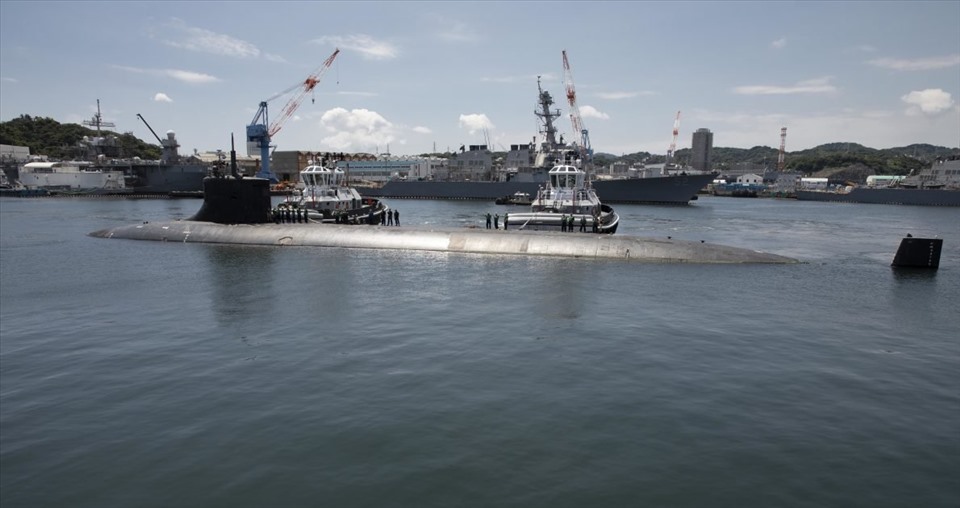
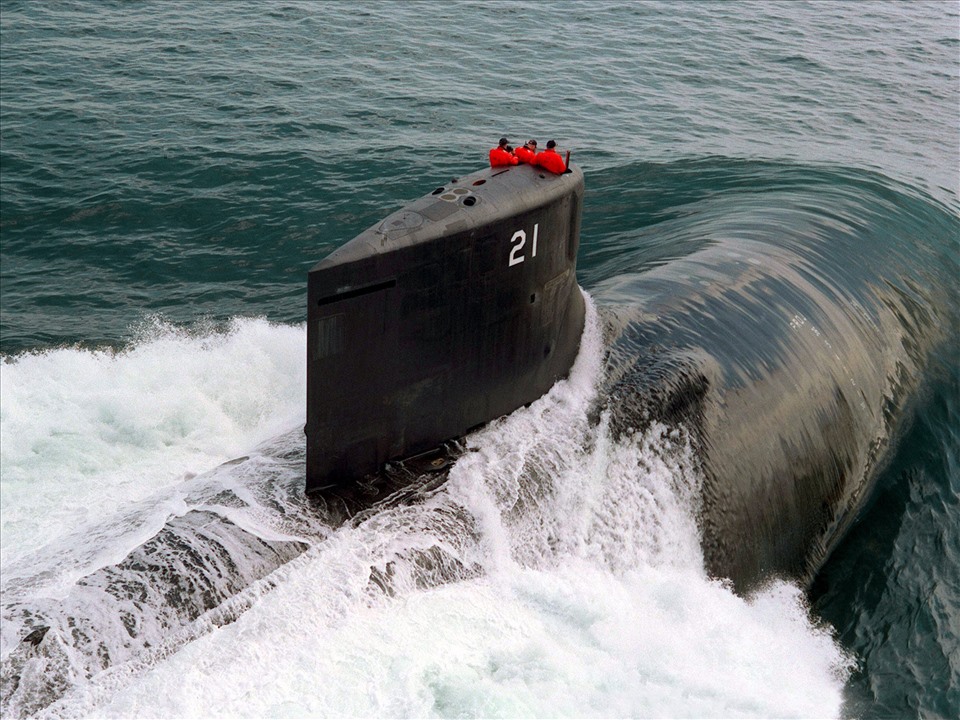
USS Connecticut là một trong 3 tàu ngầm lớp Seawolf trong hạm đội Hải quân Mỹ, trị giá mỗi chiếc khoảng 3 tỉ USD thời cuối thập niên 1980 (tương đương 8,5 tỉ USD hiện nay). Con tàu nặng 9.300 tấn, dài 107,6m, rộng 12m, đi vào hoạt động năm 1998, được cung cấp năng lượng bởi một lò phản ứng hạt nhân duy nhất và có 140 thủy thủ.
Do lớn hơn cả tàu ngầm tấn công lớp Virginia mới nhất, tàu USS Connecticut có thể mang nhiều vũ khí hơn các tàu ngầm tấn công khác của Mỹ - bao gồm tới 50 ngư lôi cũng như tên lửa hành trình Tomahawk.
Và mặc dù đã hơn 20 năm tuổi, USS Connecticut cũng có công nghệ tiên tiến được cập nhật liên tục trong suốt thời gian hoạt động.
Hải quân Mỹ cho biết USS Connecticut "đặc biệt yên tĩnh, chạy nhanh, vũ trang tốt và được trang bị các cảm biến tiên tiến".
Alessio Patalano, giáo sư chiến tranh và chiến lược tại King's College ở London, nói rằng, tàu ngầm loại này có một số tính năng dưới nước tiên tiến nhất.
Vì sao USS Connecticut gặp nạn ở Biển Đông?
Mặc dù Hải quân Mỹ chưa tiết lộ tàu USS Connecticut va phải vật thể gì, song giới phân tích cho rằng những điều kiện ở Biển Đông có thể là một thách thức đối với các cảm biến tinh vi của tàu ngầm. Giáo sư Patalano nói, đó có thể là một vật thể đủ nhỏ để các cảm biến có thể bỏ sót trong một môi trường ồn ào.
Theo Cơ quan Khí quyển và Đại dương Quốc gia Mỹ, các tàu hải quân sử dụng cái được gọi là "sonar thụ động" để phát hiện các vật thể trong nước xung quanh chúng. Không giống như "sonar chủ động" - phát ra tiếng ping và sau đó ghi lại khoảng thời gian tiếng vọng của chúng quay trở lại tàu - sonar thụ động chỉ phát hiện âm thanh đi về phía nó.
Điều này cho phép tàu ngầm giữ yên lặng và ẩn mình khỏi kẻ thù, nhưng cũng có nghĩa là tàu ngầm phải dựa vào các thiết bị khác hoặc nhiều bộ sonar thụ động để xác định vị trí của vật thể trên đường đi của nó.
Các nhà phân tích cho biết, vì Biển Đông là một trong những tuyến đường hàng hải và khu vực đánh cá nhộn nhịp nhất thế giới, tất cả các loại tiếng ồn từ tàu thuyền trên mặt nước có thể che khuất những gì có thể gây nguy hiểm cho tàu ngầm bên dưới.
Giáo sư Patalano nói, tùy thuộc vào địa điểm xảy ra sự cố, nhiễu tiếng ồn (thường là từ giao thông phía trên) có thể đã ảnh hưởng đến các cảm biến.
Carl Schuster, cựu thuyền trưởng Hải quân Mỹ tại Trung tâm Tình báo Liên hợp, Bộ Tư lệnh Thái Bình Dương của Mỹ, cho biết không chỉ việc đi lại của tàu bè có thể gây ra vấn đề cho tàu ngầm ở Biển Đông.
“Đó là một khu vực có môi trường âm thanh rất kém, ngay cả đặc điểm của nước cũng tạo ra các vấn đề. Tiếng ồn xung quanh từ các dòng chảy giữa các đảo và điều kiện nước không nhất quán ảnh hưởng đến việc tiếp nhận âm thanh" - Schuster nói.
Theo ông Schuster, cũng có thể có thứ gì đó từ bên dưới đã gây ra sự cố. “Môi trường của những vùng nước đó và đáy biển đang ở trong tình trạng thay đổi chậm nhưng liên tục. Đây là một khu vực đòi hỏi phải lập bản đồ dưới nước liên tục, nếu không tàu có thể đâm vào một ngọn núi chưa được khám phá ở dưới đó".
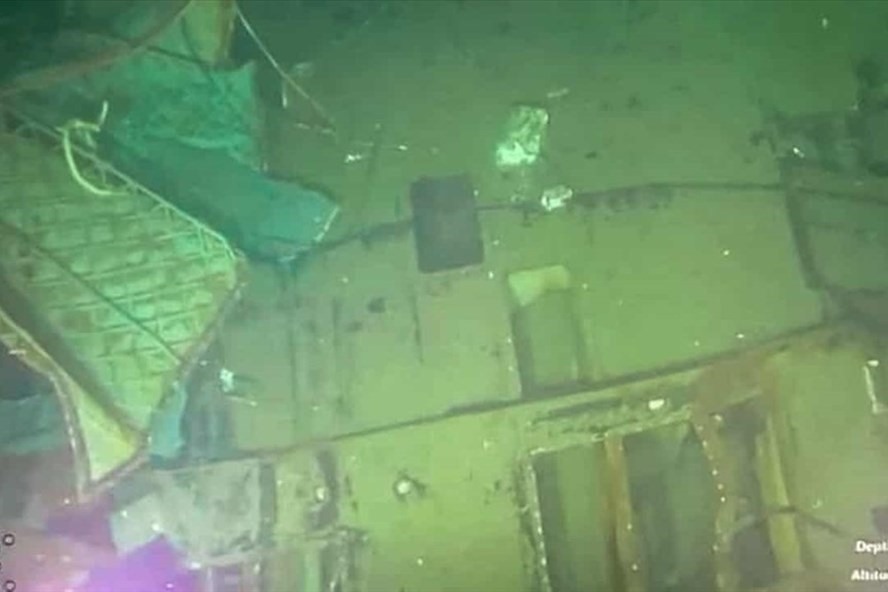
Đây là vụ tai nạn thứ hai liên quan đến tàu ngầm ở khu vực này trong năm nay. Vào tháng 4, một tàu ngầm Indonesia bị chìm ở eo biển Bali, làm toàn bộ 53 thủy thủ thiệt mạng. Các quan chức Hải quân Indonesia cho biết, vụ tai nạn là do "yếu tố tự nhiên/môi trường", nhưng không cho biết thêm chi tiết.


