
The Nord Stream 2 pipeline is a positive discussion in Europe in recent days.
The Handelsblatting Business Newspaper informed, the German Government and the relevant industry are taking into account the ability to use Nord Stream 2 pipes to import green hydrogen from Finland. Nord Stream 2 is now considered an important pipeline to transport hydrogen through the Baltic Sea.
In addition, there are rumors about whether the Russian and German gas pipeline can continue transporting Russian gas if reaching a peaceful agreement in Ukraine.
The ability to reuse Nord Stream 2 to transport green hydrogen in accordance with Europe's broader efforts to convert to renewable energy sources.
Finland has invested heavily in hydrogen production with the ambition to become the main supplier for Central Europe. Theoretically, the Nord Stream 2 pipeline, although a branch is damaged after the 2022 explosion, can still be adjusted to transport hydrogen instead of the Russian gas gas.
The technical feasibility of this conversion is still not sure, but experts say that some Nord Stream 2 pipelines can still be used, helping to reduce the need for construction of the entire infrastructure. new.
This idea also raises important political and managed questions. The European Union (EU) and Germany are actively seeking to diversify energy sources, avoiding Russian infrastructure.
Any initiative to reuse Nord Stream 2, including hydrogen transportation, needs negotiations between European partners, especially in the context of this gas pipeline that has been strongly opposed from the word from Before construction.
In addition to the discussion of hydrogen transportation, there are new speculation about the ability to use Nord Stream 2 pipes to transport Russia's gas to Germany and the European market.
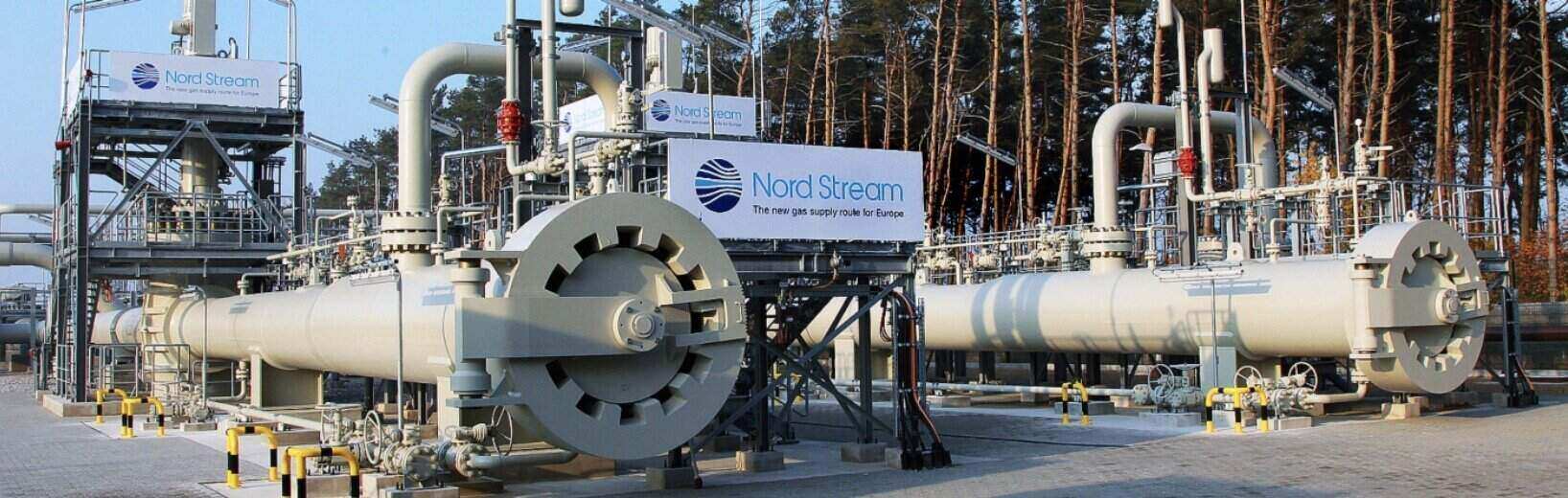
The transportation of Russian gas will cause controversy, especially when taking into account the EU continuous efforts to reduce dependence on Russian energy.
However, some of the industry's opinions said that if Ukrainian peace agreement reached, pragmatic economicism could lead to re -evaluation of energy relationships.
The German government has had official negative words but there are many newsletters that Berlin does not want to let the future of Nord Stream 2 depend on luck. The recent ruling of the Court created more pressure for Berlin to make a clear position about the fate of Nord Stream 2. If there was no decision about the future of the pipe made before 9.5, Nord Stream 2 Ag - Pipeline operator - Bankruptcy.
Recently, the Danish Energy Agency licensed Nord Stream 2 Ag to maintain the Nord Stream 2 pipeline in the Baltic Sea.
The debate about Nord Stream 2 is rejected at a particularly sensitive time, when the German National Assembly election will take place in the next 3 weeks.
For a long time, the Nord Stream 2 pipeline caused division in German politics, contributing to the country's tension with the US and some European partners. Considering the geopolitical consequences, none of them wants to be considered to support the restoration of Nord Stream 2.
The German government denied having a plan on the future of Nord Stream 2. However, EU Today said that many sources of news confirmed that the discussions about the future of Nord Stream 2 are taking place in secret.
Policy makers seem to be considering legal, economic and strategic factors before making any official statement.


