
Sao Thủy, hành tinh nhỏ nhất và gần nhất với Mặt trời trong Hệ Mặt trời, đang nhỏ dần đi theo thời gian.
Các nhà thiên văn học từ lâu đã nhận ra rằng, Sao Thủy phải trải qua sự co lại kéo dài hàng tỉ năm.
Dù nằm gần Mặt trời, nhưng nhiệt độ bên trong sao Thủy đã nguội đi, dẫn đến sự co lại và tạo ra nhiều đặc điểm mới trên bề mặt của hành tinh nhỏ này.
Một trong những chứng cứ đầu tiên về việc sao Thủy đang co lại được ghi nhận vào năm 1974, khi tàu thăm dò Mariner 10 chụp các hình ảnh đầu tiên của các vết nứt và rạn nứt trên bề mặt của Sao Thủy.
Sau đó, tàu thám hiểm không gian Messenger đã tiếp tục khám phá hành tinh này từ năm 2011 đến năm 2015, và đã phát hiện thêm nhiều đặc điểm địa hình mới, làm nổi bật sự co lại đang diễn ra tại đây.
Sự co lại của sao Thủy bắt nguồn từ việc phần bên trong của hành tinh này đã nguội dần, dẫn đến sự thu nhỏ về thể tích của nó.
Điều này dẫn đến hư hỏng cấu trúc bề mặt, tạo ra các kẽ hở và vết nứt, được gọi là "lỗi lực đẩy”. Tương tự như cách một quả táo co lại khi nó khô, Sao Thủy co lại do sự giảm nhiệt bên trong nó.
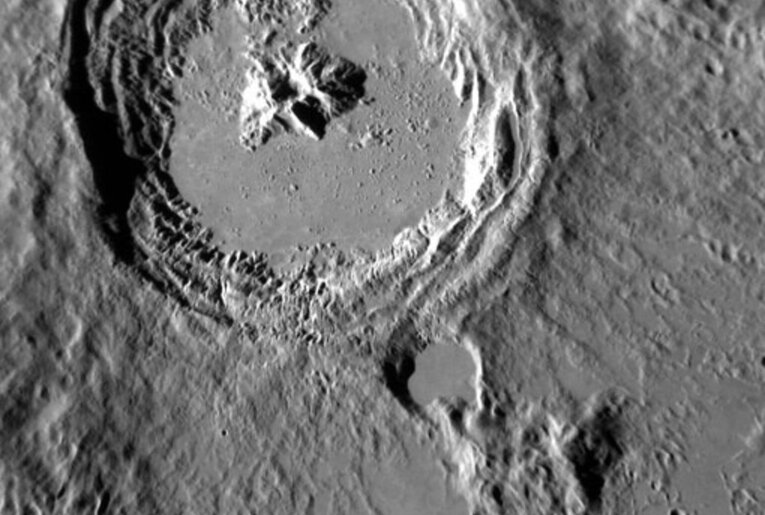
Một trong những dấu hiệu rõ ràng nhất của sự co lại này là việc xuất hiện của những vết nứt nẻ nhỏ trên bề mặt sao Thuỷ.
Hiện tượng này thường xuất hiện khi lớp vỏ hành tinh bị kéo căng và bị uốn cong. Sự co lại này làm cho bề mặt phía trên trở nên căng và gây ra những nứt nẻ.
Mặc dù đã có nhiều chứng cứ cho thấy sao Thủy đang co lại, việc xác định mức độ và tốc độ co lại vẫn là một bí ẩn.
Các nhà khoa học cố gắng đo tuổi của sao Thủy bằng cách đếm mật độ của các miệng hố va chạm trên bề mặt. Tuy nhiên, phương pháp này phức tạp vì tốc độ va chạm tạo ra các miệng hố núi lửa có thể lớn hơn rất nhiều.
Nghiên cứu mới đưa ra những manh mối thú vị. Các nhà khoa học đã phát hiện rằng một số vết nứt có vẻ vẫn đang di chuyển trên bề mặt sao Thủy, ngay cả khi chúng đã tồn tại hàng tỉ năm.
Những dấu vết này xuất hiện như các vết nứt nẻ nằm trên bề mặt, cho thấy rằng sự co lại của sao Thủy vẫn đang diễn ra và làm mờ các đặc điểm địa chất.
Sự co lại này không chỉ là sự thu hẹp về thể tích của sao Thủy mà còn tạo ra những thay đổi thú vị trên bề mặt của hành tinh này. Nhưng vẫn còn rất nhiều điều cần tìm hiểu về hiện tượng này, và sẽ cần thêm nghiên cứu để giải đáp những câu hỏi còn đang đặt ra về sao Thủy và sự co lại của nó.


